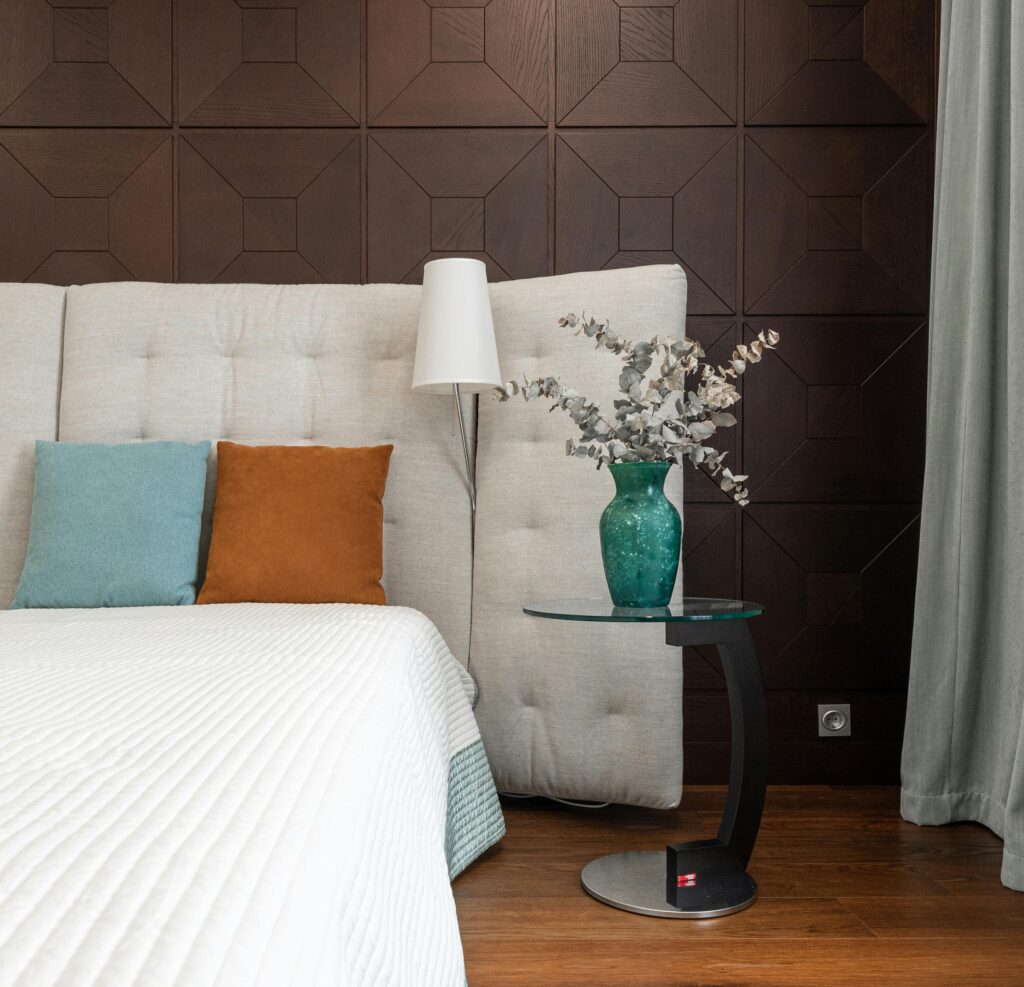
Struggling with morning back pain? Our 2025 guide, crafted with a chiropractor’s expertise, reveals how the right mattress, foundation, and pillow can transform your sleep and heal your back. Discover the best picks for a pain-free morning.
The alarm clock screamed, but the real noise was the silent, grinding protest from my lower back. It was a familiar sound, a daily ritual of stiffness that began the moment I tried to uncurl myself from the mattress. I’d perform a careful, slow-motion ballet to the edge of the bed, plant my feet on the floor, and wait for the various parts of my spine to click into a semblance of alignment. This was my normal. I assumed it was everyone’s.
That was until a weekend spent at my friend Leo’s cabin. Leo is a chiropractor, the kind of person who looks at a slouching fern and straightens it. After the first night on his guest bed, I woke up feeling… nothing. No tightness. No dull ache. Just a sense of rested readiness. It was so disorienting I actually stood there for a minute, waiting for the pain to arrive. It never did.
Over a pot of brutally strong coffee, I confessed my shock. Leo just smiled, a knowing glint in his eye. “Most people are sleeping on the wrong foundation for their body,” he said. “They think back pain is just something you have. They never think to look at the one place they spend a third of their life.”
That conversation sparked a mission. I became obsessed. I spent the next few months diving into the world of bedding, armed with questions and a newly sensitive back. I dragged Leo along as my guide, pestering him with late-night texts about coil counts and foam densities. What follows is less of a sterile buyer’s guide and more of a story—the story of what I learned from a chiropractor about turning your bed from a source of pain into a sanctuary of healing.
Premium Microfiber Printed Fitted Sheet

The Midnight Classroom: Chiropractic Principles for Your Bed
One evening, I found myself in Leo’s office after hours, surrounded by anatomical posters of the spine. This was my first lesson.
“Think of sleep not as a state of inactivity, but as a nightly repair shift,” Leo began, pointing to a diagram of a human spine in its natural, S-curved alignment. “For that shift to be productive, your bed needs to do one thing perfectly: maintain spinal neutrality.”
He explained that a good bed isn’t necessarily a hard bed. It’s a supportive one. It’s about balance.
“Pressure points are the enemy,” he continued. “If your hips are sinking in too deep because the mattress is too soft, your spine sags. Your lower back muscles have to work all night to hold you up, and they wake up exhausted and inflamed. If the mattress is too firm, your heavier hips and shoulders can’t sink in at all. This bows your spine upward, and creates pressure points that cut off circulation, forcing you to toss and turn all night.”
The goal, he said, is a surface that contours to your body’s curves, cradling your shoulders and hips while firmly supporting the lumbar region and keeping your spine in a straight, neutral line from your head to your heels.
But he dropped a bombshell: the perfect mattress is useless without the right foundation and the right pillow.
“It’s an ecosystem,” Leo insisted. “The mattress is the heart, but the foundation is the skeleton, and the pillow is the key to the cervical spine. Neglect one, and the whole system fails.”
And so, with these principles in mind, we began the hunt.
The Mattress: Where the Magic (or Misery) Happens
This is where the journey truly begins. The world of mattresses is a jungle of jargon, but Leo helped me cut through the noise. He broke it down into three primary camps, each with its own strengths for different types of back pain sufferers.
Premium Microfiber Printed Fitted Sheet
1. The Contouring Embrace: Memory Foam and Latex
My first stop was a high-end mattress store. I lay down on a plush memory foam model and experienced what can only be described as a cloud-like hug. It was instantly comfortable.
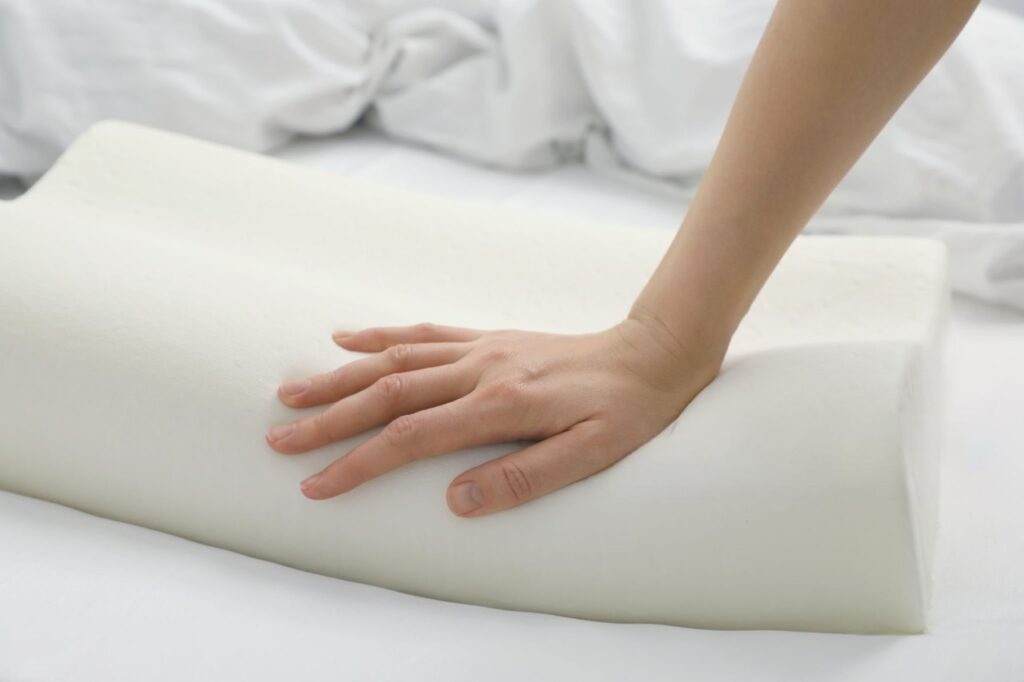
“That’s the pressure relief we talked about,” Leo said when I described it. Memory foam excels at this. It uses body heat to soften and mold to your exact shape, evenly distributing your weight and eliminating pressure points. This is fantastic for side sleepers with shoulder and hip pain, or anyone with arthritis or fibromyalgia.
The evolution here, Leo’s top pick for 2025, is adaptive or responsive memory foam. Older memory foam had a reputation for trapping heat and creating a “quicksand” feeling where it was hard to move. New generations are infused with gel beads or have open-cell structures that breathe better and respond more quickly, offering the contouring without the suffocating feel.
Huma Linen Fitted Sheet Set – Green Stripes, Micro Cotton
2. The Structured Support: Innerspring and Hybrid
I’ve always thought of innerspring mattresses as the old-fashioned, bouncy beds of my childhood. I was wrong. Modern innersprings, especially those with pocketed coils, are engineering marvels.
In a showroom, a salesperson explained how each coil in a pocketed system moves independently. This means the coils under your hips can compress while the ones under your torso remain firmer, providing targeted support exactly where you need it. This prevents the dreaded hammocking effect and promotes excellent spinal alignment.
But Leo’s overwhelming favorite, and his top pick for most back pain sufferers, is the Hybrid mattress.
“A hybrid takes the best of both worlds,” he explained. “It typically has a base layer of pocketed coils for that responsive, supportive core. Then, on top, you have a comfort layer of memory foam, latex, or pillow-top padding. This gives you the pressure-relieving contour on the surface with the sturdy, breathable support of coils underneath.”
For combination sleepers who change positions, for heavier individuals who need robust support, or for those with lower back pain who need to prevent their hips from sinking, a high-quality hybrid is often the golden ticket.
Huma Linen Fitted Sheet Set – White Stripes, Micro Cotton
3. The Tailored Solution: Adjustable Air Beds
I’ll admit, I was skeptical. I associated adjustable air beds with cheesy infomercials. But Leo insisted we try one.
The model we looked at had a dual-chamber system. Each side of the bed had its own air control. I lay on my side, and with a tap on a remote, my wife could increase the firmness on her side without affecting mine. It was… brilliant.
“For couples with drastically different firmness preferences or body weights, this is a game-changer,” Leo noted. “But beyond that, the ability to micro-adjust the firmness means you can truly dial in the perfect support for your back over time, as your pain or preferences change.”
Some high-end models even come with an app that tracks your sleep and suggests firmness adjustments. While it’s the highest price point, for those who have struggled to find relief anywhere else, an adjustable air bed represents the ultimate in personalized support.
The Foundation: The Unsung Hero
Here’s where I made my biggest mistake initially. I bought a beautiful, expensive, medium-firm hybrid mattress and placed it on the old, sagging box spring from my previous set. After a week, my back pain was worse than ever.
“You built a house on a crumbling foundation,” Leo said, unsurprised. “A bad foundation will void your mattress warranty and completely undermine its support system.”
A modern mattress requires a solid, flat, and supportive base. This could be:
- A platform bed frame with slats no more than 3 inches apart.
- A foundation (a modern, cloth-covered box spring that doesn’t flex).
- An adjustable base, which Leo is increasingly recommending.
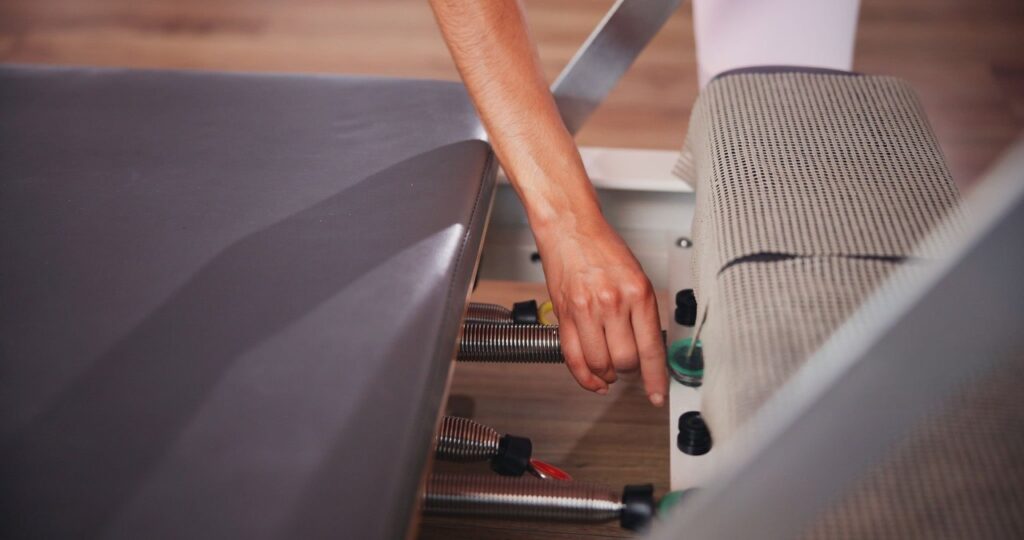
“An adjustable base isn’t just for watching TV,” he said. “The ‘Zero-G’ position, which slightly elevates your head and knees, can take significant pressure off the lumbar spine. For anyone with degenerative disc issues, sciatica, or acid reflux, this can be the difference between a painful night and a peaceful one.”
Huma Linen Fitted Sheet Set – Dark Brown Stripes, Micro Cotton
Leo’s 2025 Picks: The Chiropractor’s Seal of Approval
After months of testing, research, and feedback from his patients, Leo shared his top recommendations. These aren’t just the “best” in a vacuum; they are the ones he’s seen deliver real, consistent results.
- Best Overall (Hybrid): The Helix Dawn Luxe. “It strikes a near-perfect balance for the average back pain sufferer. It’s on the firmer side with fantastic lumbar support, but the comfort layer provides just enough pressure relief. Their sleep quiz does a great job of matching body type and sleep position to the right model.”
- Best for Pressure Relief (Memory Foam): The Saatva Classic in Plush Soft. “Don’t let the ‘plush’ name fool you. It has a supportive core. For side sleepers or those with arthritic pain, the contouring on this mattress is exceptional without the stuck feeling.”
- Best for Sustainable Support (Latex): The Saatva Latex Hybrid. “For those who want natural materials, cooling, and a responsive feel, this is it. It’s durable, supportive, and relieves pressure beautifully.”
- Best for Customization (Adjustable Air): The Sleep Number i8 Smart Bed. “The technology has come so far. The dual adjustability is unmatched for couples, and the ability to find your exact ‘number’ for optimal support is a powerful tool for managing chronic pain.”
- Best Upgrade (Adjustable Base): The Saatva Adjustable Base Plus. “The ‘Zero-G’ position is a legitimate therapeutic tool. Once you sleep with your legs elevated, it’s hard to go back. It reduces snoring, improves circulation, and unloads the spine.”
The Morning After
The journey changed more than my bed; it changed my mornings. That slow, painful ballet is now a memory. The investment felt significant at the time, but I now see it for what it is: the most important investment I’ve ever made in my health.
I asked Leo one final question: “What’s the one thing you want people to know?”
He didn’t hesitate. “That they don’t have to hurt. Morning back pain isn’t a mandatory part of aging. It’s often a sign that your sleep environment is working against you. You have the power to change that. Do your research, know your sleep style, and invest in the entire ecosystem—mattress, foundation, and pillow. Your future self, waking up without pain, will thank you for it.”
Huma Linen Fitted Sheet Set – Maroon Stripes, Micro Cotton
He’s right. The best bedding for back pain isn’t a single product. It’s a symphony of support, a carefully chosen team working in harmony through the night to heal you. And in that quiet, dark space, true restoration begins.
Read More!
Can Bed Sheets Cause Acne? (Dermatologist Explains)
FAQs
1. What is the best type of mattress for back pain according to chiropractors?
While the ideal mattress depends on your sleep position and body type, chiropractors often recommend a medium-firm hybrid mattress as the best overall choice. It combines the pressure-relieving comfort of foam or latex with the supportive core of pocketed coils, promoting spinal alignment and preventing the hips from sinking too deeply.
2. Is a firm mattress always better for back pain?
No, this is a common misconception. An overly firm mattress can be just as harmful as one that’s too soft. It prevents your shoulders and hips from sinking in naturally, which can bow the spine upward and create painful pressure points. The goal is “supportive,” not “hard,” to maintain a neutral spinal alignment throughout the night.
3. Why is my pillow important if my back hurts?
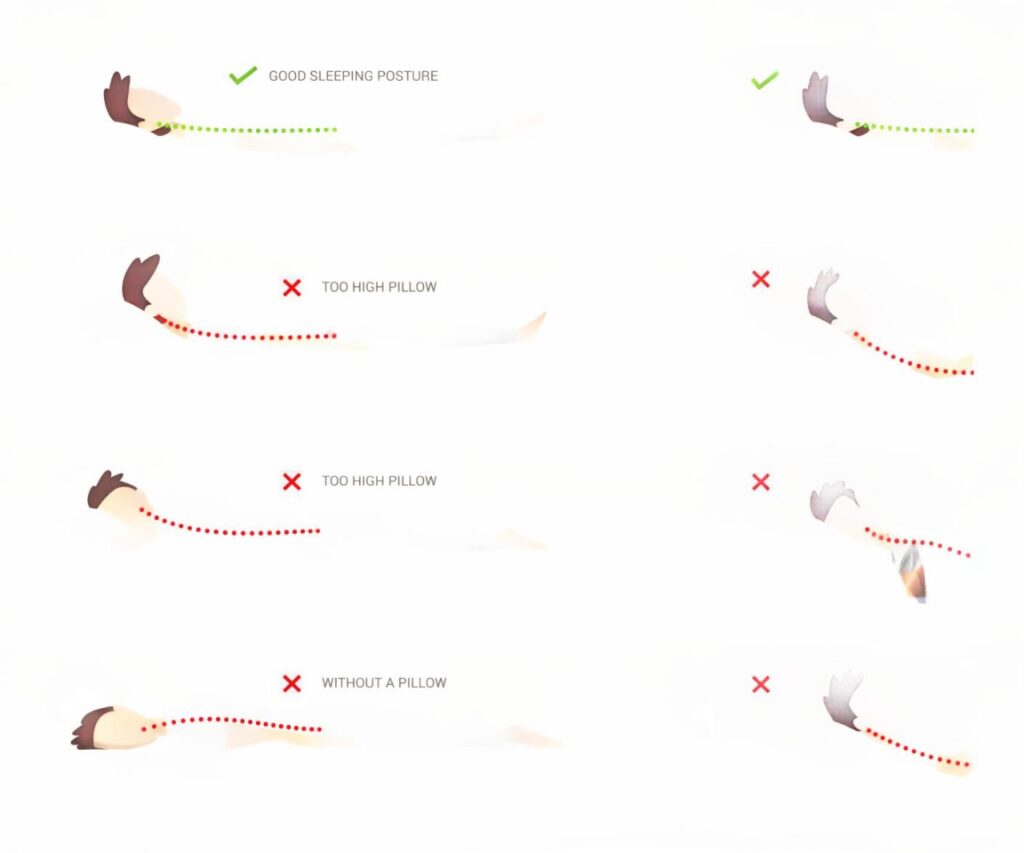
Your pillow is critical for cervical (neck) spine alignment. If your pillow is too high or too low, it forces your neck into an awkward angle, disrupting the entire alignment of your spine down to your lower back. This can cause tension, muscle strain, and radiating pain. Choosing a pillow that keeps your neck neutral with your spine is a non-negotiable part of solving back pain.