Looking for the best sheets for hot sleepers? This in-depth, 4,000-word story compares linen vs. Egyptian cotton, testing them through real nights of restless sleep. Discover why linen’s breathable, hollow fibers win for all-night temperature regulation, while Egyptian cotton excels in initial, luxurious coolness. Find your perfect fabric for deep, cool, and undisturbed sleep.
The Midnight Toss and Turn: A Tale of Two Fabrics
The clock glowed 2:37 AM. For the third time that night, I kicked off the suffocating heap of my bedding, a prisoner escaping a warm, damp cell. My back was glued to the mattress with a faint sheen of sweat, despite the AC humming its lonely tune. This wasn’t sleep; it was a nightly wrestling match with my own sheets. As a lifelong hot sleeper, my quest for a cool night’s rest had become a personal holy grail. I’d tried moisture-wicking tech fabrics that felt like plastic, cheap percale that pilled after a month, and everything in between. Then, during one particularly desperate 3 AM deep dive, the two titans of the bedding world emerged from the digital mist: Linen and Egyptian Cotton. Not as mere fabrics, but as philosophies, as ancient solutions to a modern, sweaty problem. This is the story of my ultimate showdown, a journey beyond marketing hype into the very weave and fiber of these legendary textiles.
Chapter 1: The Pharaoh’s Fiber – Egyptian Cotton Enters the Ring
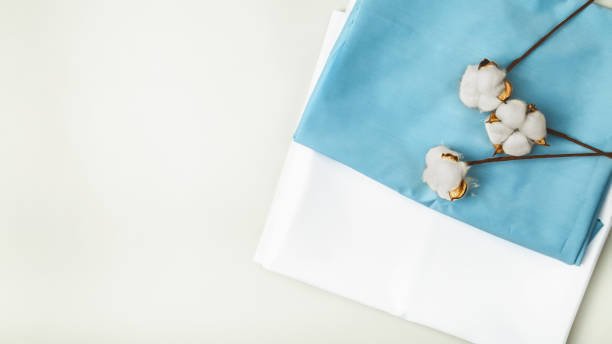
My investigation began with the darling of luxury hotel suites and bridal registries: Egyptian Cotton. The name itself evokes images of Nile River breezes and sun-drenched, fertile fields. It’s synonymous with opulence, a reputation carefully cultivated over centuries.
I learned that true Egyptian Cotton isn’t just cotton grown in Egypt; it’s a specific, extra-long staple (ELS) variety, primarily Gossypium barbadense. The magic is in the staple—the length of the individual cotton fibers. Picture two ropes: one short and frayed, the other long and smooth. The longer the staple, the longer, stronger, and smoother the yarn can be spun. Egyptian Cotton fibers can be over 1.5 inches long, sometimes up to 2. Their fineness allows them to be woven into incredibly dense, silky threads.
I brought home a set of 600-thread-count Egyptian Cotton sateen sheets. They were, in a word, breathtaking. Unboxing them felt like a ritual. The fabric cascaded from my hands with a substantial, luxurious weight. It was cool to the touch, brilliantly white, and had a subtle, elegant sheen. That first night slipping in was a revelation of a different kind. It was like being enveloped in a cloud of cool, heavy silk. The smoothness against my skin was unparalleled. For the first hour, I was in heaven. This was the five-star hotel experience.
But as the night wore on and my body settled into its own metabolic rhythm, a faint whisper of discomfort began. The very density and smoothness that made them so luxuriously cool at first started to feel… static. The sateen weave (where threads are floated over multiple others to create that sheen) felt less breathable. The heat my body generated seemed to get trapped in that sleek, tight weave, creating a warm microclimate. I’d shift, and the sheets would cling momentarily before releasing. They absorbed moisture, yes, but drying seemed slower. By morning, the sheets were still beautiful, but they felt warm and slightly damp in the spots where I’d lain.
I experimented. I tried an Egyptian Cotton in a percale weave—a simple, one-over-one-under crisscross. It was matte, crisp, and noticeably more breathable than the sateen. The trade-off was a less sensuously smooth hand-feel; it was more like a finely tailored cotton shirt. It performed better, but still, in the deepest, stillest part of the night, I felt that familiar, trapped warmth beginning to build. Egyptian Cotton, I realized, was a master of initial coolness and sublime comfort. But for a hot sleeper who generates heat all night long, its very strength—its dense, fine weave—could become its weakness, a barrier to true airflow.
Chapter 2: The Crusty Aristocrat – Linen Makes Its Case

Feeling slightly betrayed by the Pharaoh’s offering, I turned, with some skepticism, to linen. My preconceptions were of a rustic, wrinkly fabric—something you’d find in a French farmhouse or a slightly crusty artisan’s cafe. It lacked the immediate, polished allure of Egyptian Cotton. But the more I read, the more I was intrigued by its almost rebellious biology.
Linen comes not from a fluffy boll, but from the tall, graceful flax plant. The process of turning the rigid flax stalk into spinnable fiber is called retting—a microbial decomposition that feels alchemical. The resulting fibers are hollow and tubular. This was my first “aha” moment. Hollow fibers mean innate air pockets. Air pockets mean breathability on a structural level.
My linen sheets arrived folded in a compact, cardboard box. Shaking them out, the first impression was… chaotic. They were a natural, putty color, covered in a landscape of wrinkles and creases. They felt substantial yet light, with a dry, textured hand-feel that was the antithesis of sateen’s slippery smoothness. There was no cool shock upon first touch; instead, they felt neutral, almost like the skin of a living thing.
The first night was an adjustment. The texture was pronounced—a gentle, nubby massage. There was no sleek glide. But as I lay there, something remarkable happened: nothing. No creeping warmth. No damp cling. The sheets seemed to exist in a state of perfect thermal neutrality around me. They wicked moisture away so efficiently and evaporated it so quickly that I never felt it. My body heat dissipated through the loose weave and those hollow fibers as fast as I could produce it.
This was linen’s revelation: it wasn’t about feeling cool to the touch initially; it was about staying cool consistently. It managed moisture and temperature not through density, but through porosity. It was like wearing a beautifully crafted, breathable shell rather than a weighted blanket. The wrinkles, I began to see, were not a flaw but a testament to its natural, uncompromising character. They fell into soft, rumpled waves that actually increased the surface area for airflow. This was a fabric that worked dynamically with the night.
Chapter 3: The Round-by-Round Breakdown
Over weeks, I alternated between the two, becoming a nocturnal scientist. Here’s how the showdown played out in the key rounds:
Round 1: Thermoregulation (The Core Battle)
- Egyptian Cotton: Starts strong with excellent conductive coolness. Feels wonderfully chill when you first get in. But as a hot sleeper, my body works against it. Its dense weave can hinder airflow, leading to heat buildup over hours. It’s a brilliant insulator, which is a double-edged sword.
- Linen: The undisputed champion of consistent temperature regulation. Its loose weave and hollow fibers promote exceptional airflow and wick moisture away with almost shocking speed. It doesn’t feel as cool at first, but it prevents you from overheating in the first place. It sleeps with you, not on you.
Round 2: Moisture Management
- Egyptian Cotton: Highly absorbent, capable of taking in a fair amount of moisture. However, its drying time is slower. For night sweats, this can mean waking up to damp patches that linger.
- Linen: A moisture-wicking powerhouse. It can absorb up to 20% of its weight in moisture without feeling damp, and evaporates it incredibly quickly. You stay dry, which is fundamental to staying cool.
Round 3: Feel & Texture (The Sensory Experience)
- Egyptian Cotton: The winner for luxurious, smooth sensuality. High-thread-count sateen is irresistibly soft and glossy. Percale offers a crisp, cool, matte feel that is universally appealing. It feels like a treat.
- Linen: An acquired taste. It is inherently textured, nubby, and dry. It doesn’t glide; it breathes. But here’s the secret: linen gets softer with every wash, developing a personal, lived-in softness that is profound and unique to you. Its softness is earned, not given.
Round 4: Durability & Life Story
- Egyptian Cotton: Strong and durable due to its long fibers, but the high thread counts and delicate sateen weaves can be prone to pilling or snagging if not cared for meticulously. Its luxury can be fragile.
- Linen: Almost shockingly durable. Linen fibers are among the strongest natural fibers in the world. It becomes softer and more beautiful with age and washing. It’s meant to last for decades, telling the story of every night’s sleep in its gentle patina. It is toughness disguised as nonchalance.
Round 5: The Aesthetic & The Mindset
- Egyptian Cotton: Speaks of polished elegance, crispness, and made beds. It’s about control, sleekness, and a pristine environment.
- Linen: Embodies relaxed, effortless style, organic beauty, and the “lived-in” look. It’s about embracing natural texture, wrinkles as character, and a connection to something ancient and elemental.
Chapter 4: The Verdict Under the Moonlight
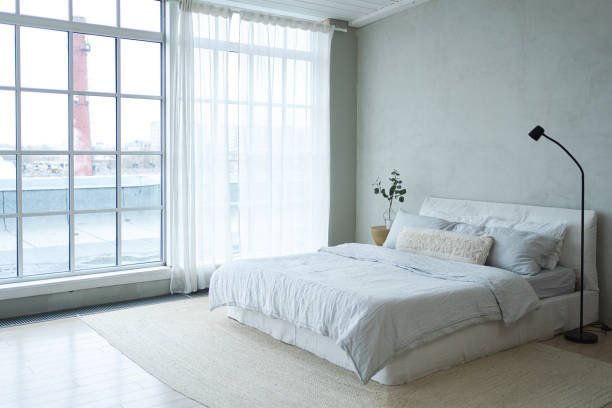
So, who wins the ultimate showdown for the hot sleeper?
If your nighttime overheating is mild, and you prize that initial, sinking-into-a-cloud sensation, the crisp, cool embrace of a high-quality Egyptian Cotton percale is a magnificent choice. It is a classic for a reason.
But for the true hot sleeper, the one who wages a nightly war against the furnace within, linen is the transformative champion. It doesn’t just feel cool; it performs cool. It is an active cooling system woven from flax. Its genius is not in fighting your body’s heat with a cool barrier, but in rendering that heat irrelevant through masterful dissipation.
My journey ended not with a dismissal of Egyptian Cotton, but with a profound understanding of its nature. It is the elegant diplomat, offering immediate, sophisticated comfort. Linen, however, is the steadfast survivalist, the ancient sage that knows the secret to comfort lies in breathability and dynamic response.
Tonight, as I turn out the light, I slide between sheets the color of stone and sand. They are wrinkled, soft from a hundred washes, and feel like a second skin. The room is quiet. The clock will soon glow 2:37 AM, but this time, I won’t see it. The battle is over. In the ultimate showdown, I found my champion not in the Pharaoh’s silken gold, but in the humble, brilliant, breathable embrace of flax. I found the deep, cool, undisturbed sleep I’d been chasing all my life. And it was wrapped, quite perfectly, in a story woven thousands of years ago, finally heard in the silent hours of a modern night.
FAQs
1. I've always heard Egyptian Cotton is the coolest. Is that not true?
It’s a common belief, but it’s more nuanced. High-quality Egyptian Cotton, especially in a percale weave, feels wonderfully cool and crisp to the touch when you first get into bed—this is “conductive coolness.” However, for those who truly generate heat all night long, its dense, fine weave can sometimes trap body heat and moisture over several hours. Think of it as a brilliant insulator. Linen, with its hollow fibers and loose weave, may not have that initial “chill” but acts as a dynamic climate regulator. It wicks moisture and dissipates heat continuously, preventing you from overheating in the first place. For consistent, all-night coolness, linen often outperforms.
1. I've always heard Egyptian Cotton is the coolest. Is that not true?
This is the biggest misconception about linen! New, high-quality linen does have a distinctive dry, textured, and robust feel—it’s not the silky-smooth of sateen. However, it is not inherently scratchy. The magic happens in the wash. With every laundering, linen fibers break in and soften naturally, developing a personalized, lived-in softness that is incredibly comfortable and gets better with age. If you prefer the feeling of a broken-in, favorite t-shirt or a relaxed, organic texture over a slick, polished one, you will likely adore linen’s unique comfort. Egyptian Cotton, by contrast, offers immediate, plush softness right out of the package.
3. Which one is actually more durable and a better long-term investment?
Both are premium, durable materials, but linen has a notable edge in longevity. Linen fibers are among the strongest natural fibers in the world. Properly cared for, linen bedding can last for decades, becoming softer and more beautiful with time. It’s a fabric that ages gracefully. Egyptian Cotton is also durable due to its long staples, but very high thread counts or delicate sateen weaves can be more prone to pilling or snags. If you view your sheets as a long-term investment in sleep and appreciate a fabric that tells a story, linen’s legendary durability is a major advantage.