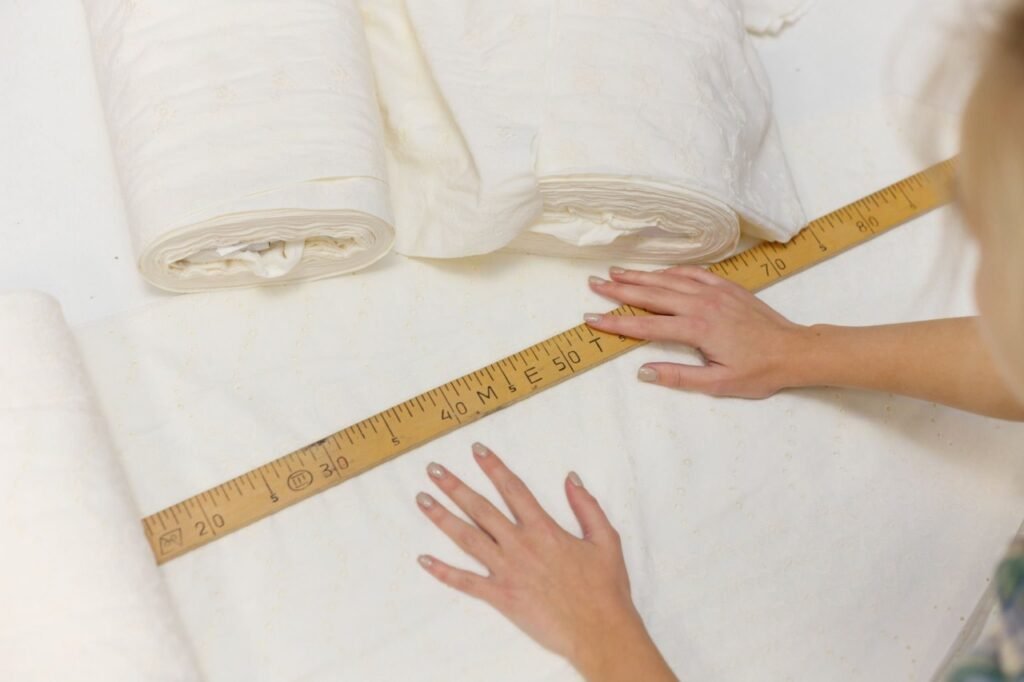
The air in Mr. Arora’s tailoring studio was thick with the scent of new cloth and quiet concentration. Sunlight streamed through the high windows, illuminating dancing motes of dust that settled on rolls of fabric leaning against the walls like silent sentinels. I was there for a blazer, something classic yet personal. He nodded, asked a few questions, and then, without a word about colour or cut, he led me to these towers of textiles.
“Close your eyes,” he said, a faint smile on his lips. I obeyed. He placed a swatch of cloth in my hands. It was cool, smooth, almost slippery. “Light,” he murmured. “A whisper. Maybe 180.” Then he replaced it with another. This one had a heft, a dense, woolly warmth that seemed to hold the weight of the room itself. “This,” he declared, “is a conversation. 350, at least.”
My eyes fluttered open. “180? 350? What are these numbers?”
He chuckled, the sound like scissors snipping through silk. “These, my friend, are not just numbers. These are the soul of the cloth. This is GSM.”
That afternoon, amidst the quiet snip-snip of apprentices and the hum of sewing machines, I began a lesson that went far beyond tailoring. It was an initiation into the fundamental language of fabric, a language not of words, but of weight. This is that story, a journey to understand GSM—not as a dry technical spec, but as the invisible hand that shapes everything we wear, from the summer shirt that breathes with you to the winter coat that stands guard against the wind.
The Unseen Architect: What GSM Really Is
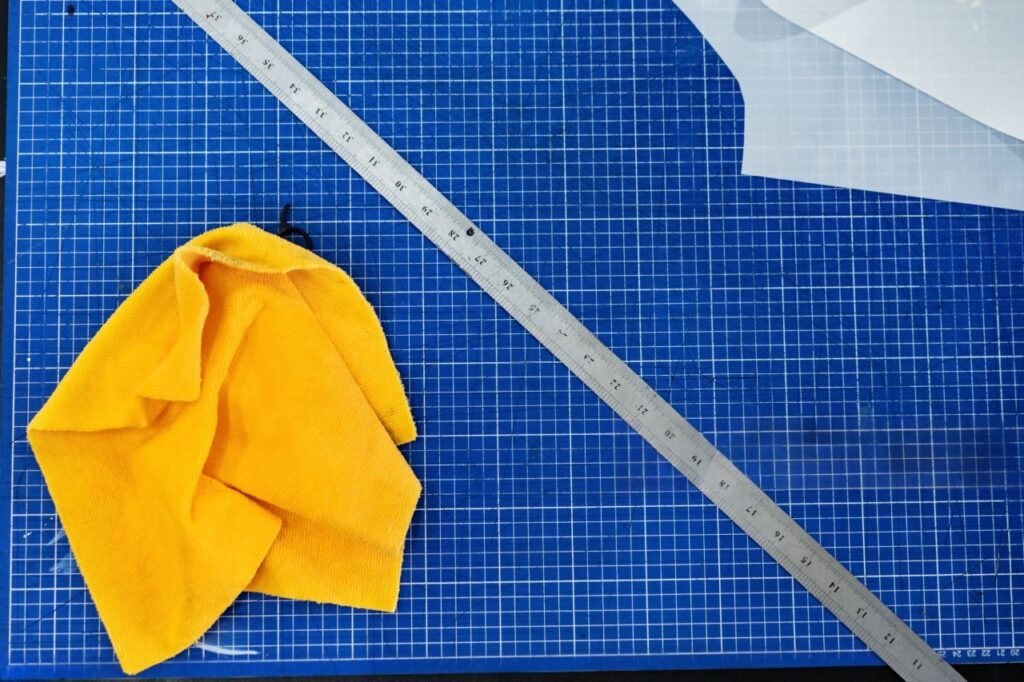
Let’s demystify the acronym first. GSM stands for Grams per Square Metre. It’s beautifully, elegantly simple. Imagine taking a perfect square of fabric, one metre long and one metre wide. Place it on a scale. The weight in grams it registers is its GSM.
It’s not about the thread count, though that’s related. It’s not about the fibre, though that influences it. GSM is the ultimate summary, the final verdict of density, thickness, and substance. A 150 GSM cotton is a breezy voile, a curtain for a summer breeze. A 300 GSM cotton is a rugged canvas, the stuff of sails and hard-wearing workwear. Mr. Arora was right—one was a whisper, the other a conversation. One was a feather on the skin, the other a firm handshake.
But why does this matter to you, standing in a store or browsing online? Because GSM is the unseen architect of your comfort, the silent director of a fabric’s performance. It tells you what a garment will do long before you put it on.
The Weight of Seasons: A Fabric’s True Climate

Think of your wardrobe as a ecosystem, with GSM as its thermometer and barometer.
The Lighter Realm (80-180 GSM):
Here lives the ephemeral. This is the kingdom of linen shirts (140-180 GSM) that wrinkle with poetic disregard and allow the Mediterranean sun to caress, not scorch, your skin. This is where classic cotton t-shirts (150-180 GSM) reside. That perfect, soft tee you reach for again and again? It’s likely in this golden zone—substantial enough not to be sheer, light enough to be blissfully casual. Go below 130 GSM for a tee, and you venture into the territory of the disposable, the tissue-thin garment that loses its shape by the second wash. Fine silks, chiffons, and voiles dance at the lower end of this spectrum (80-100 GSM), pure illusions of modesty, clouds captured in thread.
The Everyday Middle Kingdom (180-300 GSM):
This is the workhorse world, the backbone of our daily lives. Your trusty denim jeans? They stand firm at 250-350 GSM—that’s where they get their durability, their ability to mold to your body over years. The crisp poplin shirt (120-150 GSM) you wear to the office, the soft jersey of your favourite dress (180-200 GSM), the flannel that spells weekend comfort (200-220 GSM)—they are all citizens of this versatile land. A quality sweatshirt begins its life here, around 280-300 GSM, offering cozy insulation without the bulk of a winter coat. This is the weight of reliability.
The Heavyweight Champions (300+ GSM):
Enter the guardians. This is the domain of structure and protection. The wool blazer (280-350 GSM) that holds its silhouette through a long day of meetings derives its authority from this density. True winter coats, rugged canvas jackets, and the finest tweed live here (400-600 GSM and beyond). This is also where you find luxurious terry cloth for bathrobes (400-600 GSM)—the higher the GSM, the plusher, more absorbent, and indulgent the feel. These fabrics don’t just clothe you; they armour you, in the most elegant sense.
Beyond the Numbers: The Feel in Your Hands
Mr. Arora’s lesson was visceral. GSM isn’t meant to be a number you memorize, but a language you learn to feel.
- The Drape: A low GSM fabric (like a silk satin) will obey gravity with a liquid, flowing drape. It clings and flows. A high GSM fabric (like a wool melton) has its own opinion. It stands away from the body, creating shape and volume. A designer chooses a 200 GSM wool for a sleek, draped dress and a 400 GSM wool for a structured, architectural coat. The weight dictates the design.
- The Opacity: Hold that 150 GSM white t-shirt up to the light. You’ll likely see a shadow. At 220 GSM, it becomes definitively opaque. GSM is your guide to modesty and layering.
- The Warmth & Breathability: This is the most intuitive part. Density equals insulation. A high GSM fleece traps warm air. A low GSM linen encourages cool air to circulate. There’s no free lunch, however. That super-heavy 400 GSM cotton hoodie might be warm, but if you run for the bus, you’ll swim in your own perspiration. Breathability often (but not always) trades off with sheer weight.
The Right Weight for the Right Story: Choosing Your Fabric

So, how do you translate this story into choice? You become the narrator of your own comfort.
- For the Classic T-Shirt: Aim for 180-200 GSM. This is the sweet spot. It feels quality, retains its shape, wears well, and strikes a perfect balance between lightness and substance. Anything below 150 GSM is often a compromise.
- For the Summer Shirt (Linen/Cotton): Look for 140-180 GSM. You want the fabric to be a partner in keeping you cool, not a burden. It should billow gently, not stick.
- For Bed Linens: Here, a higher GSM often signals luxury, but with a caveat. 200-400 GSM for cotton sheets is common. A 400 GSM Egyptian cotton percale will be crisp and cool, while a 300 GSM sateen will be silkier and warmer. For summer, you might prefer a lighter 200 GSM. For winter, a higher, cozier GSM. It’s about the sleep climate you desire.
- For Tailoring (Suits/Blazers): This is where weight builds character. A 280-320 GSM wool is a versatile, year-round weight for a suit. For a truly summer suit, you can dip to 230-260 GSM in fresco or tropical wool. A winter blazer? 340-380 GSM gives it that hearty, protective feel. The weight here is directly tied to the formality and seasonality of the garment.
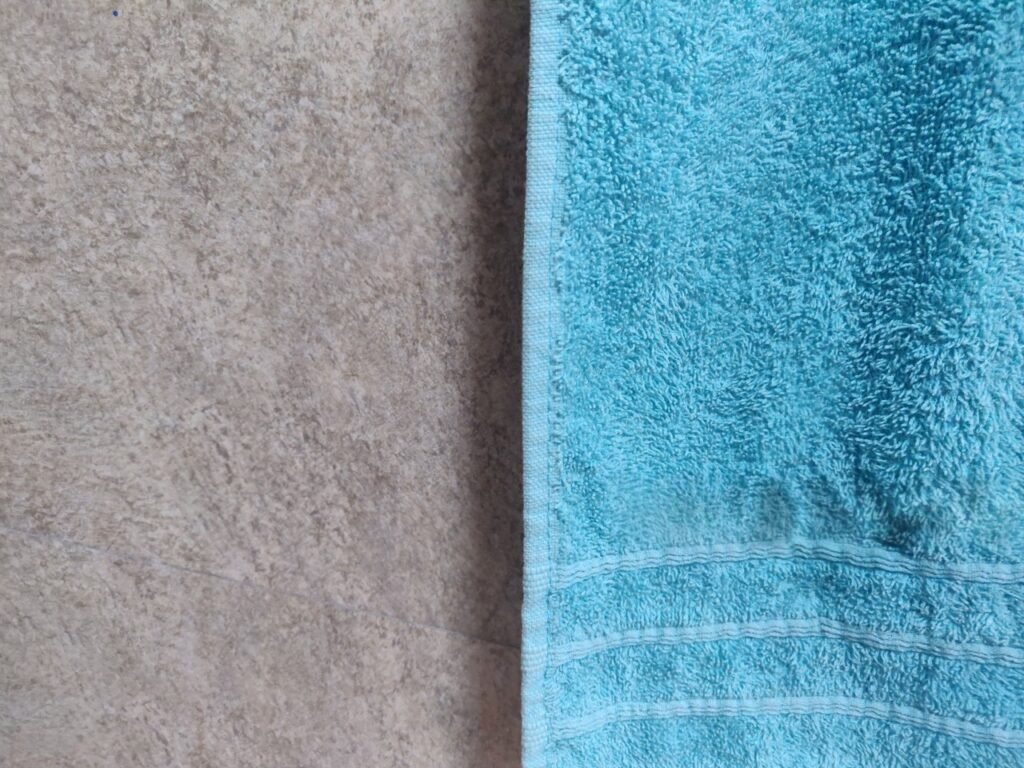
- For Towels: This is GSM’s most famous playground. A 400-600 GSM towel is good and plush. 600-800 GSM is luxury hotel-grade—incredibly absorbent and heavy. Go above 800 GSM, and the towel may become almost too dense to dry efficiently, as water can’t always penetrate the deepest piles. Sometimes, weight needs wisdom.
A Word of Caution: Weight is Not Wisdom
My education with Mr. Arora had a final, crucial chapter. He brought out two swatches of wool, both around 300 GSM. One was rough, almost prickly. The other was smooth as cream. “The same numbers,” he said, “but a different story.”
GSM is a master metric, but it is not the only author of the story. The fibre (merino wool vs. coarse wool), the weave (tight twill vs. open basketweave), and the finish (brushed, mercerized) are co-authors. A 150 GSM silk will feel utterly different from a 150 GSM polyester. The weight tells you the quantity of material; the fibre and weave tell you its quality and character.
Always, always use GSM as your foundational guide, but let your senses be the final judge. Crush the fabric in your hand. Does it spring back? Drape it over your arm. How does it fall? Hold it to your cheek. What does it whisper?
The Soul in the Gram
I left Mr. Arora’s studio that day with more than measurements for a blazer. I left with a new lens through which to see the woven world. The curtain at my window, the sheets on my bed, the shirt on my back—each had a silent numerical soul, a GSM that defined its existence.
The next time you shop, don’t just look for colour and pattern. Seek out the weight. Feel the heft. Ask the question. That number, those grams per square metre, are the unsung heroes of our daily comfort, the difference between a garment that merely covers and one that truly belongs to you, to the moment, and to the climate you inhabit.
It is the weight of a whisper, the substance of a conversation, the architecture of comfort. It is, in the end, the silent language of cloth, waiting for you to listen. And now, you know how to hear it