Finding the right set of sheets when you’re a “hot sleeper” isn’t just a matter of home decor; it’s a desperate quest for survival. If you’ve ever woken up at 3:00 AM feeling like you’ve been basted in a slow cooker, you know exactly what I mean. You kick the duvet off, then pull a corner back over your foot because of “closet monsters,” then kick it off again when the sweat starts to bead on your forehead. It’s an exhausting dance.
For years, I thought I was just broken. I blamed my metabolism, the humidity, or the memory foam mattress that seemed to be actively trying to bake me alive. I tried sleeping with the window open in the dead of winter, which only led to a frozen nose and a still-sweaty torso. The breakthrough didn’t come from a medical diagnosis or a change in diet; it came when I finally stopped buying “high thread count” cotton and started looking into the actual science of textile engineering.
The truth is, most of the sheets we are told are “luxurious” are actually traps. That 1000-thread-count Egyptian cotton set your aunt gave you for your wedding? It’s basically a plastic bag. It’s woven so tightly that no air can move through it, turning your bed into a terrarium.
If you want to reclaim your sleep, you have to look for materials that don’t just feel cool to the touch for five seconds, but actually move heat and moisture away from your body all night long. Through a lot of trial, error, and some very soggy mornings, I’ve narrowed down the five best materials that actually make a difference.
The Organic Breathability of Linen
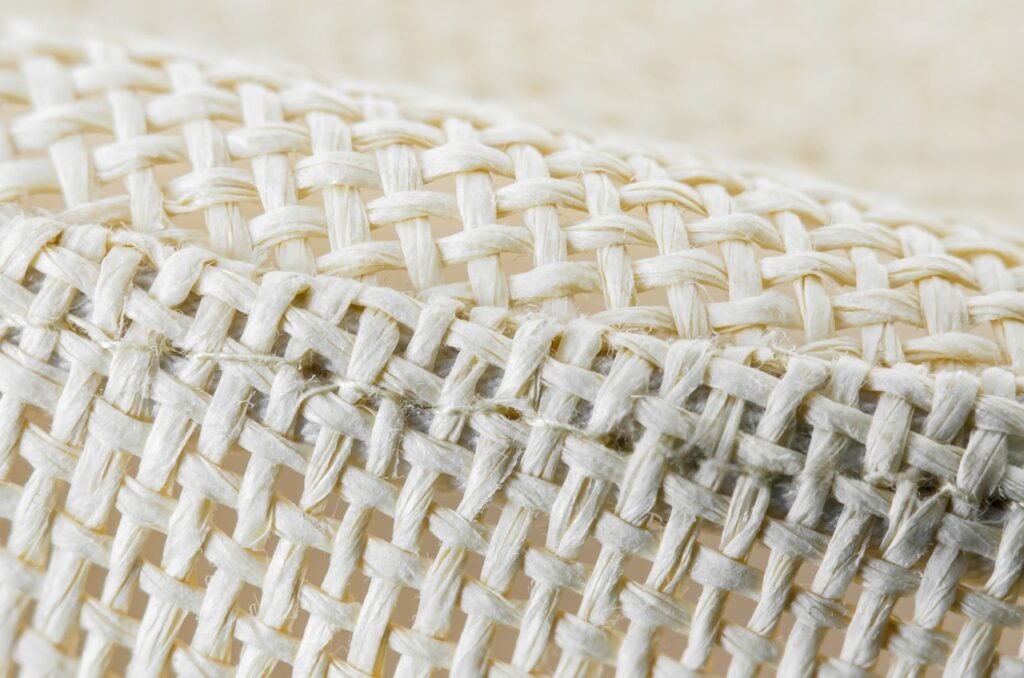
The first time I touched linen sheets, I hated them. They felt scratchy, almost like a thin burlap sack, and I couldn’t understand why people paid a premium for them. But after a week of heatwaves, I was desperate enough to try anything. I washed them three times to soften them up, and that first night was a revelation.
Linen is made from the flax plant, and its fibers are much thicker and more “hollow” than cotton. This creates a natural airflow that is unmatched by any other fabric. When you lie down on linen, you aren’t just lying on fabric; you’re lying on a ventilation system. It’s also incredibly absorbent. It can hold a significant amount of moisture without feeling damp to the touch, which is a godsend for those of us who deal with night sweats.
The beauty of linen is that it gets better with age. It starts out stiff and stubborn, but after a year of washing, it becomes the softest, most lived-in fabric you’ve ever felt. It’s the ultimate “effortless” look, too—it’s supposed to look wrinkled, so you can finally stop worrying about making the bed perfectly.
The Silky Magic of Bamboo Viscose
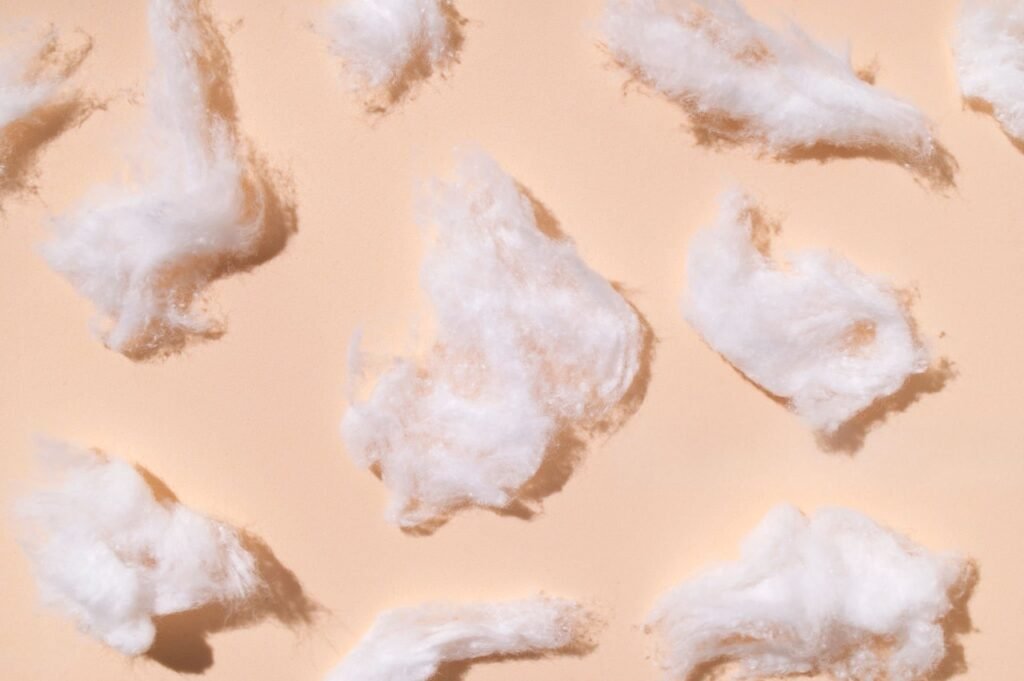
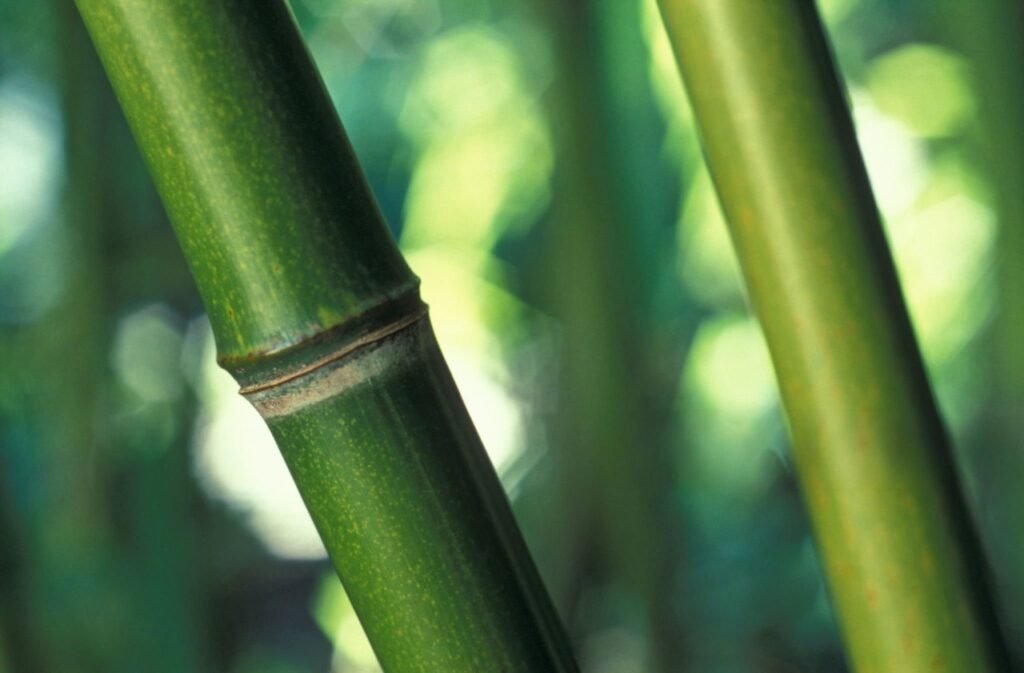
If linen is the rustic, earthy choice, bamboo is its high-tech, silky cousin. I discovered bamboo sheets during a summer spent in a basement apartment with no air conditioning. I was skeptical of the “eco-friendly” marketing, but the moment I slid into bed, I felt an immediate drop in temperature.
Bamboo viscose (often labeled as Bamboo Lyocell or Rayon) has a unique molecular structure that makes it feel cold to the touch. It’s incredibly smooth—sometimes even slipperier than silk—which means there’s less friction against your skin. Less friction means less heat.
The real magic of bamboo, however, is its moisture-wicking capability. While cotton absorbs sweat and holds onto it (leaving you in a damp puddle), bamboo pulls that moisture away from your skin and allows it to evaporate into the air. It’s like wearing high-performance athletic gear, but it looks like a five-star hotel bed.
The Precision of Tencel Lyocell
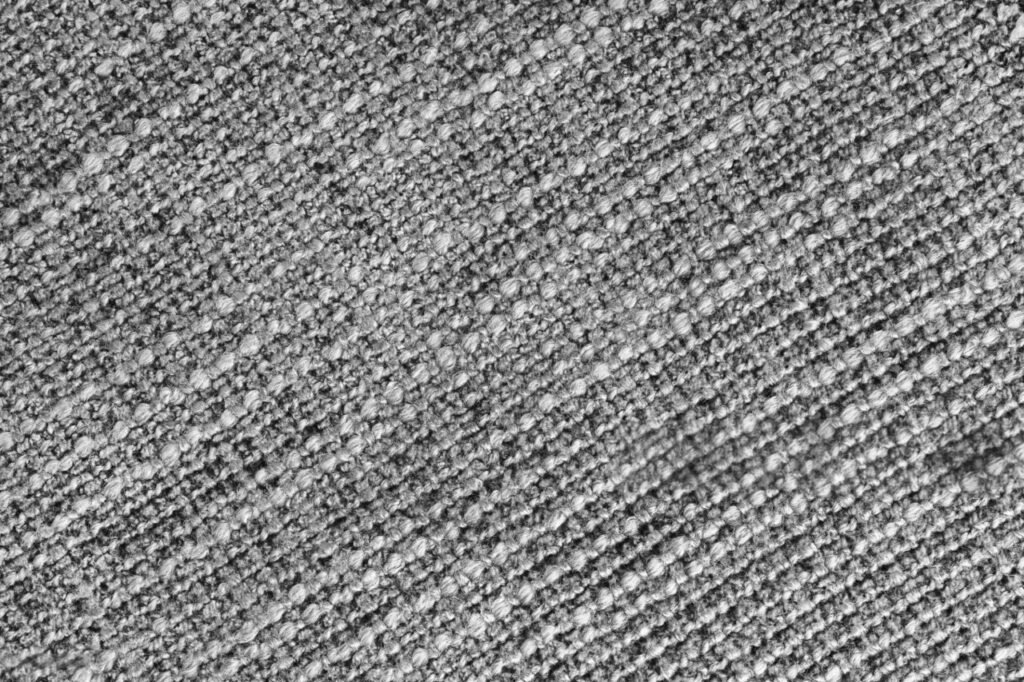
For a long time, I confused Tencel with bamboo because they have a similar “slinky” feel. But Tencel is actually a brand name for a fiber made from eucalyptus wood pulp. It was designed specifically to be the ultimate performance fabric for the home.
I started using Tencel when I lived in a city where the humidity was consistently above 80%. What I noticed immediately was how much lighter the fabric felt compared to cotton. Tencel is incredibly hydrophilic, meaning it loves water—but in a good way. It manages moisture so efficiently that it actually inhibits the growth of bacteria (which thrive in damp environments). This means your bed stays smelling fresher for longer, even if you’ve had a particularly warm night.
It has a slightly more “matte” finish than bamboo, which I personally prefer. It feels substantial and high-quality without being heavy. If you want something that feels modern and stays consistently cool, eucalyptus-based Tencel is the gold standard.
Percale Cotton: The Crisp Classic
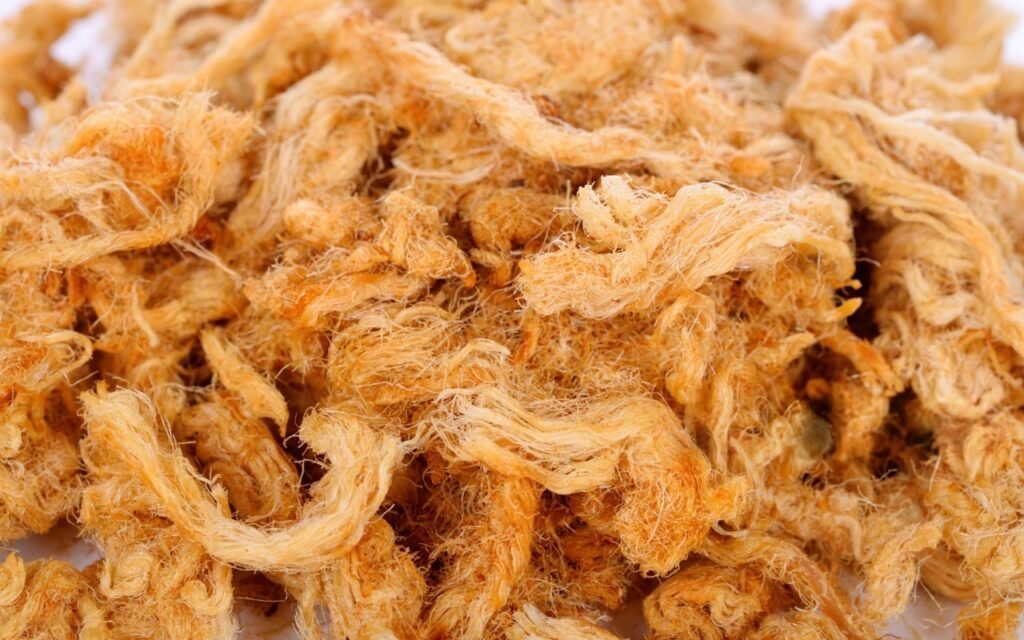
I used to think all cotton was the same until I learned about the “weave.” Most people buy Sateen weave cotton because it’s shiny and soft in the store. But Sateen is a “one-yarn-under, three-yarns-over” weave, which makes it heavy and heat-trapping.
Percale is the exact opposite. It uses a simple “one-over, one-under” square weave. Think of a crisp, white button-down shirt from a high-end tailor. That’s percale. It doesn’t drape over your body like a heavy velvet curtain; it sits lightly on top of you, allowing air to circulate in the space between your skin and the sheet.
Sleeping on percale feels like sleeping on the cool side of the pillow, but everywhere. It has a matte finish and a “crunchy” feel that reminds me of old-fashioned luxury. It’s the most breathable version of cotton you can find, and for those who still love the feel of a traditional bed, it’s the best way to stay cool without switching to more “exotic” fabrics.
The Luxury of Mulberry Silk
Finally, we have the splurge: silk. For years, I avoided silk because I thought it was too high-maintenance or that it would be too “slippery” for a restless sleeper like me. But real mulberry silk is a natural protein fiber, and its temperature-regulating properties are actually insane.
Silk is a natural insulator. It keeps you warm when it’s cold, but more importantly for us, it stays incredibly cool when the ambient temperature rises. It doesn’t absorb moisture at all; it just lets it glide off. If you struggle with skin irritation or find that heavy fabrics make you feel claustrophobic, silk is the weightless solution. It’s a significant investment, but for the sheer quality of sleep it provides, many find it worth every penny.
The Luxury of Mulberry Silk
Finally, we have the splurge: silk. For years, I avoided silk because I thought it was too high-maintenance or that it would be too “slippery” for a restless sleeper like me. But real mulberry silk is a natural protein fiber, and its temperature-regulating properties are actually insane.
Silk is a natural insulator. It keeps you warm when it’s cold, but more importantly for us, it stays incredibly cool when the ambient temperature rises. It doesn’t absorb moisture at all; it just lets it glide off. If you struggle with skin irritation or find that heavy fabrics make you feel claustrophobic, silk is the weightless solution. It’s a significant investment, but for the sheer quality of sleep it provides, many find it worth every penny.
FAQs
If I’m a hot sleeper, is a higher thread count always better?
This is probably the biggest lie in the bedding industry. We’ve been conditioned to think that a 1,000-thread count is the peak of luxury, but for those of us who run hot, it’s actually a nightmare. Thread count just refers to how many threads are packed into a square inch. When that number gets too high, the fabric becomes so dense that air can’t get through. It’s like trying to breathe through a thick wool coat instead of a light linen shirt. For a cool night’s sleep, you’re usually much better off in the 200 to 400 range, where the weave is open enough to let your body heat actually escape.
Will these "cooling" sheets actually stop me from sweating?
I wish I could say yes, but sheets aren’t an air conditioning unit. If your room is 80 degrees and you have a heavy down comforter on top, no sheet in the world can work miracles. However, the right material changes how that heat feels. Instead of the sweat soaking into your sheets and staying there—leaving you in a cold, clammy puddle—materials like bamboo or Tencel wick that moisture away and help it evaporate. They don’t stop the sweat, but they stop the sweat from ruining your night.
How do I wash these special materials without ruining them?
I used to be terrified of washing my “fancy” sheets, but it’s simpler than you’d think. The golden rule for hot sleepers is to stay away from fabric softeners. They might make things feel plush, but they actually coat the fibers in a thin layer of wax/oil that kills the fabric’s ability to breathe and wick moisture. I usually wash my linen and bamboo on a cold, gentle cycle and tumble dry on low. They might come out a bit wrinkled, but I’d much rather have a few wrinkles than a bed that feels like a plastic bag.