The rhythmic thwack-thwack-thwack of the ceiling fan was the only sound in the room as I stood over my bed, staring down at what felt like a personal betrayal. There, right in the center of my favorite 800-thread-count Egyptian cotton white sheets, was a jagged, rust-colored bloom of spilled Cabernet.
It wasn’t just a stain. It was a monument to a Friday night gone wrong—a misplaced elbow, a tipping glass, and the slow-motion horror of seeing deep red seep into pristine, snowy fibers. We’ve all been there. Whether it’s the remains of a midnight snack, the yellowing halo of sweat that seems to appear overnight, or the dreaded ink leak from a pen left in a pocket, white sheets are a magnet for disaster.
They are the ultimate luxury and the ultimate liability. We buy them because they make us feel like we’re sleeping in a high-end hotel, but we live in them like messy, imperfect humans. For a long time, I thought the only solution to a stubborn stain was a heavy hand with the bleach or, eventually, the trash can. But after years of trial, error, and a few ruined sets of linen, I’ve learned that removing stains is less about chemistry and more about storytelling. You have to understand the life of the fabric.
The Midnight Disaster and the First Response
The mistake most of us make is panic. When I saw that wine hitting the fabric, my first instinct was to scrub. I grabbed a rag and started rubbing as hard as I could. This is the cardinal sin of laundry. Scrubbing doesn’t lift a stain; it grinds the molecules deeper into the weave, effectively tattooing the fabric.
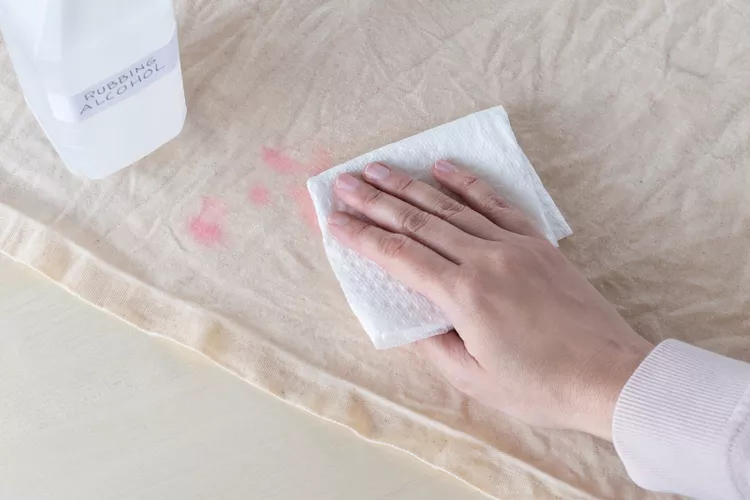
I had to stop, take a breath, and remember the golden rule: blot, don’t rub. I grabbed a clean white paper towel and pressed down firmly. I watched the paper drink up the excess liquid. It’s a slow process, a quiet negotiation between the paper and the cotton. Once I had removed the surface moisture, I knew I couldn’t just throw it in the wash. Standard detergent is great for dirt, but for a “stubborn” guest like red wine or blood, you need an intervention.
I walked to the kitchen. Most people reach for the bleach, but bleach is a fair-weather friend. While it whitens, it also weakens fibers and can actually turn protein-based stains (like sweat or body oils) an even more vibrant shade of yellow. Instead, I reached for the humble bottle of hydrogen peroxide and a bit of blue dish soap.
The Chemistry of the Kitchen Sink

There is something strangely meditative about treating a stain by hand. I mixed the peroxide and soap, creating a bubbling slurry. I applied it to the edges of the wine spot, working my way inward. This prevents the “ring” effect where the stain migrates outward as it gets wet.
As I worked, I thought about the other ghosts that haunt our sheets. Take the “yellowing” of pillows. That isn’t just age; it’s a buildup of lipids—skin oils and sweat that oxidize over time. You can’t fight oil with just water. You need something to break the tension. This is where the dish soap earns its keep. It’s designed to cut through grease on a lasagna pan, and it does the same for the oils trapped in your bedding.
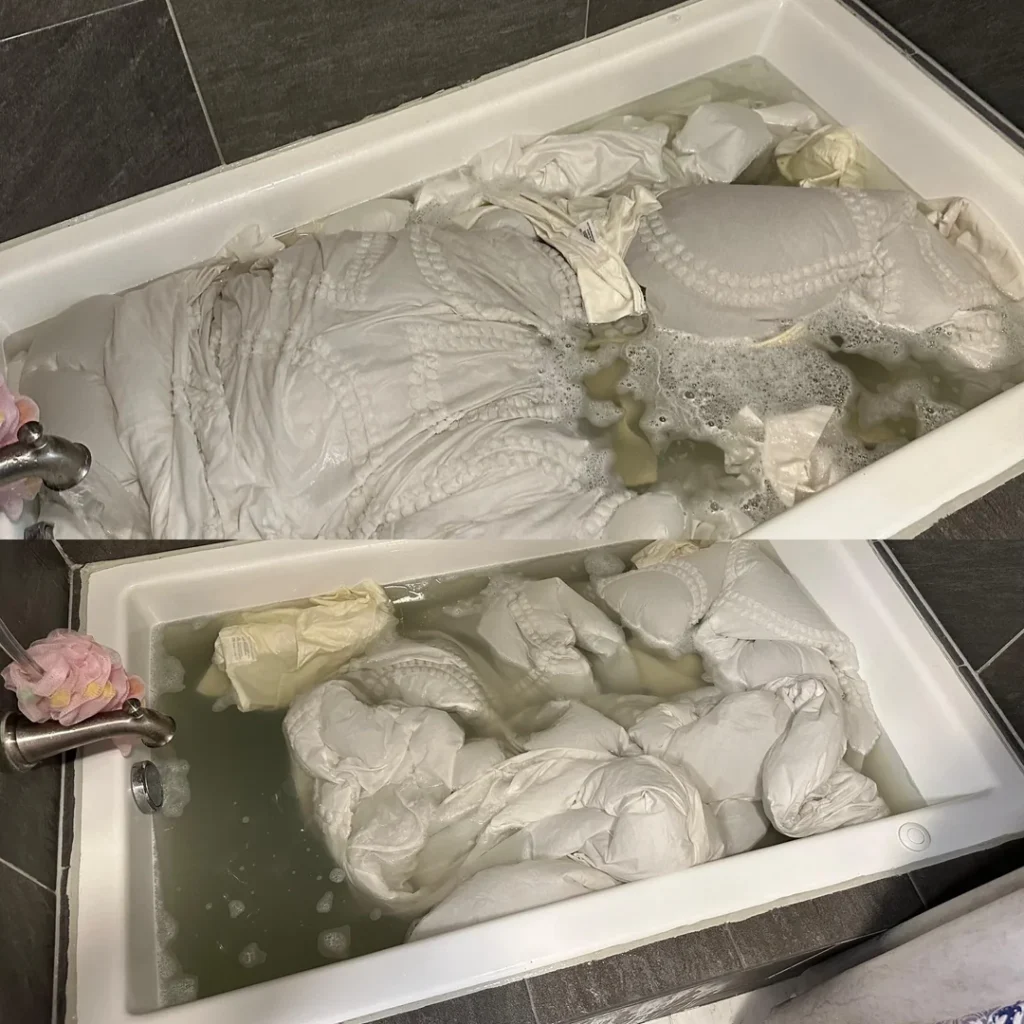
I let the mixture sit. Patience is the hardest part of the process. We want the stain gone now, but the chemical bonds need time to loosen their grip. I left the sheet in the sink, looking like a crime scene under repair, and went to make a coffee.
The Sunlight Secret

After an hour, I rinsed the sheet in cool water. Never hot—hot water cooks the proteins in stains like blood or milk, effectively “setting” them forever. The wine was fading, a faint pink shadow remaining.
This is where I used my grandmother’s favorite trick. She used to say that the most powerful bleach in the world wasn’t found in a bottle, but in the sky. I took the wet sheet out to the balcony. Even in the modern world, UV rays are a natural oxidizer. I draped the damp fabric over the rail, making sure the stained area was directly in the path of the afternoon sun.
By the time the sun began to dip below the horizon, the pink shadow was gone. The sun had finished the job that the peroxide started. The sheet wasn’t just clean; it smelled like the outside—crisp, sharp, and revitalized.
Living with the White Sheet Paradox
As I tucked the corners of the bed back in that evening, the bed looked like a blank slate again. It’s a cycle we repeat: we make a mess, we clean it up, and we start over.
Stubborn stains are a part of a life well-lived. They are the evidence of breakfast in bed, of late-night reading sessions, and of the heat of a summer night. We shouldn’t fear the white sheet; we should just learn how to listen to it. It tells us when it needs a soak, when it needs the sun, and when it just needs a little bit of patience.
The next time you see a spot on your pristine landscape of linen, don’t reach for the harsh chemicals in a fit of rage. Walk to the kitchen, find your dish soap, and settle in for the process. It’s not just about cleaning a fabric; it’s about restoring the sanctuary where you spend a third of your life.
FAQs
Can I use hot water to get rid of tough stains more quickly?
t is a tempting thought, but for most organic stains—like blood, sweat, or dairy—hot water is actually your enemy. High temperatures act like a “chef,” cooking the proteins in the stain and permanently bonding them to the cotton fibers. Always start with cool or lukewarm water. Save the high heat for the final “sanitary” wash once you are absolutely certain the stain has vanished.
Is bleach really that bad for my white sheets?
Bleach is powerful, but it’s a bit of a blunt instrument. If used too often, it can break down the natural fibers of your sheets, making them feel scratchy or causing them to tear prematurely. More surprisingly, if you have yellow sweat stains, bleach can react with the proteins and make the yellow even more prominent. It’s better to rely on oxygen-based whiteners or the natural power of the sun whenever possible.
What should I do if the stain has already gone through the dryer?
The dryer is the “point of no return” for many stains because the intense heat sets them in place. However, all hope is not lost. You may need to move to a long-term soak—sometimes up to 24 hours—in a mixture of water and an oxygen-based powdered cleaner. It requires more patience than a fresh stain, but with enough time and a few repeat treatments, even a “set” stain can often be coaxed out of the fabric.