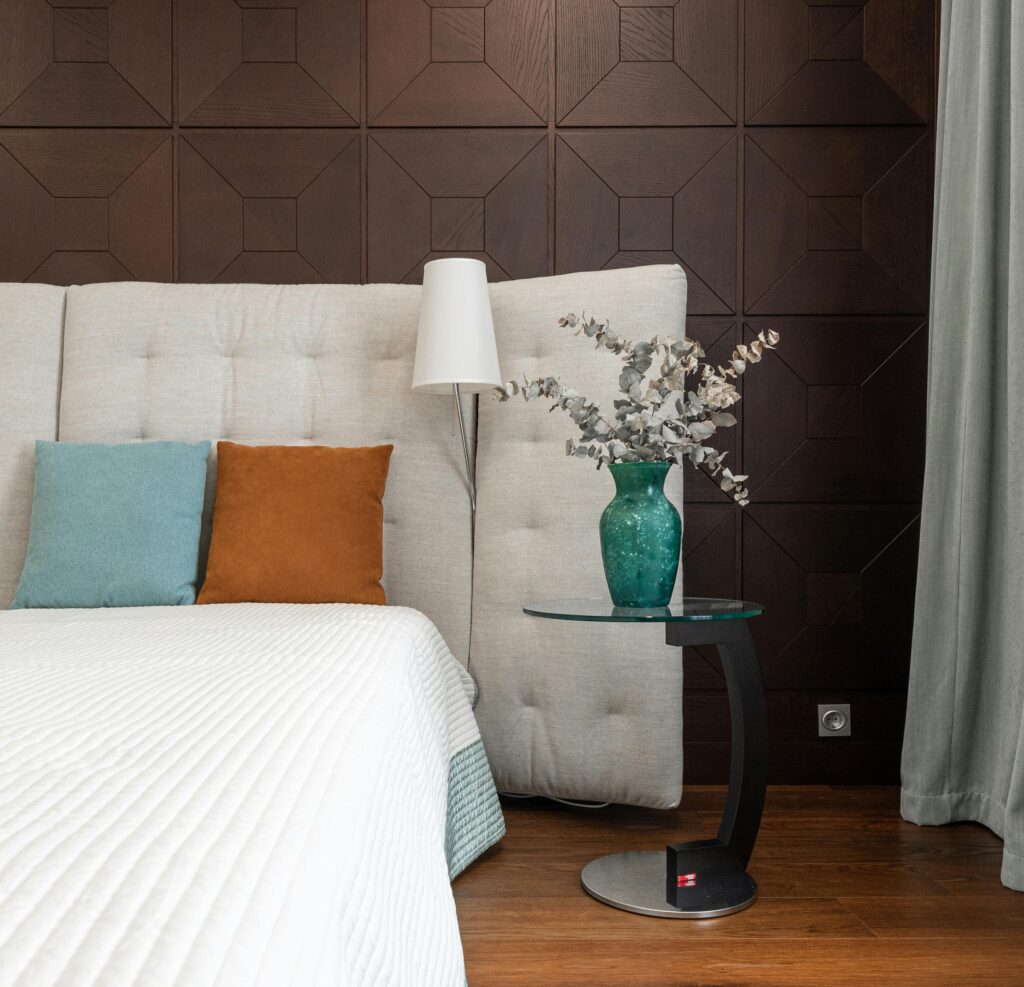
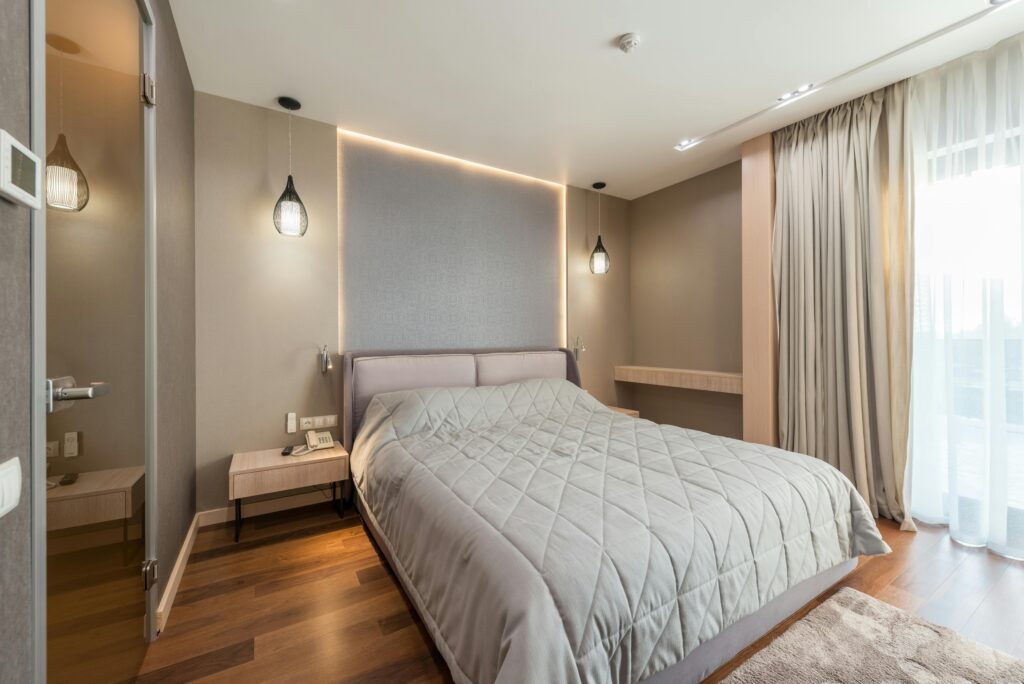
The sun, on its late afternoon descent, was casting long, lazy shadows across the floor of an empty room. It was a room awaiting a soul, a blank canvas of pale walls and dusty floorboards, with a single, lonely bed frame standing sentinel in the centre. This bed, a simple structure of oak and possibility, was the heart of the story yet to be told. It could become a sanctuary of serene order or an altar to eclectic passion. It was here, in this quiet space, that two distinct philosophies of living—the Bohemian and the Minimalist—whispered their promises, each vying to shape the narrative of rest, of dreams, of waking life.
To style a bed is to make a declaration about who you are, or perhaps, who you long to be. It is the most intimate corner of our personal universe, and the choices we layer upon it speak volumes in a language of texture, colour, and form. One path leads to a riot of life, a collected history of travels and whims. The other leads to a clearing of the mind, a visual sigh of relief. This isn’t just about décor; it’s a story of contrasting aesthetics, each with its own rich history and emotional resonance.
Let’s begin our journey with the Minimalist, for they approach the empty room not as a void to be filled, but as a space to be honoured.
The Minimalist’s Creed: The Poetry of Less
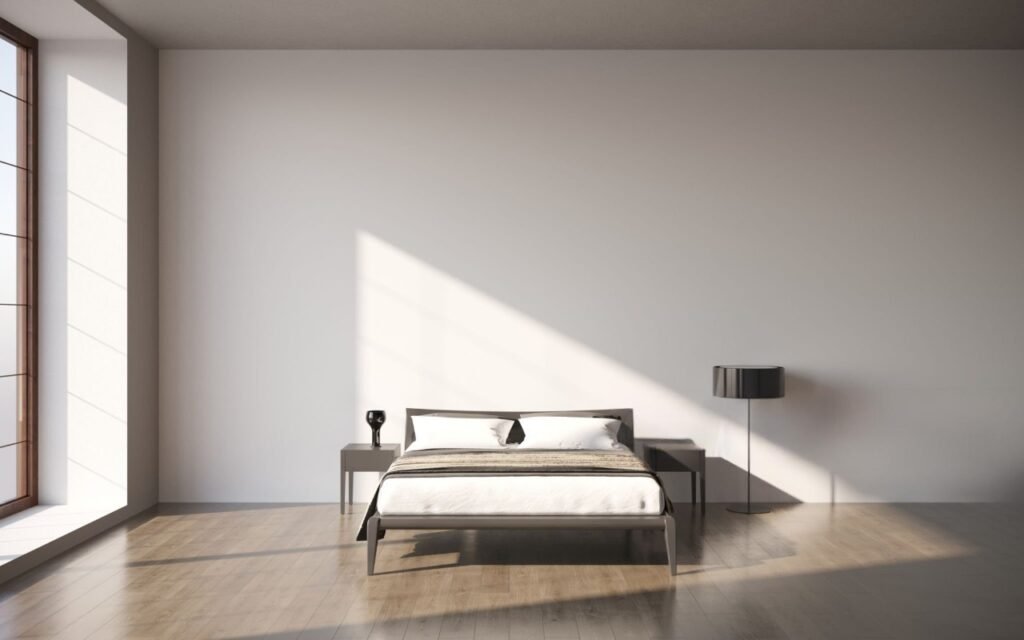
The story of minimalism in the home is a modern parable of seeking calm in the chaos. It finds its roots in the clean lines of Japanese Zen philosophy, the functional purity of Scandinavian hygge, and the stark clarity of modernist architecture. It is a reaction, a deliberate turning away from the noise of consumerism. For the minimalist, the bed is not a display case but a platform for rest. Every element must justify its presence not just aesthetically, but spiritually.
Our minimalist enters the room. They see the oak bed frame and give a nod of approval—it is honest, sturdy, unadorned. The first layer is the foundation: a pristine, high-thread-count sheet, likely in white, soft grey, or natural oat. The fabric is percale for its crisp, cool touch, or perhaps sateen for a subtle sheen. There are no patterns, only the profound depth of a single, perfect hue. This is the first breath of calm.
Next, the duvet or coverlet. It is a study in weight and texture rather than colour. A heavyweight, stone-coloured linen duvet cover that will rumple beautifully, telling the story of a night’s sleep in its gentle creases. Or a matte, quilted cotton coverlet in a pale putty grey, lying flat and assured. It is tucked in with precision, hospital corners sharp enough to seem earnest, yet soft enough to invite you in.
The pillows are an exercise in controlled comfort. There are no decorative throw pillows that serve only to be relocated before sleep. Instead, there are two sleeping pillows in simple, envelope-style shams that match the duvet cover, and perhaps one firm, square pillow in a complementary, textured fabric—a bouclé wool or a rough flax—propped upright against the headboard. That’s it. The arrangement is asymmetrical but balanced, a quiet composition.
The final act is one of deliberate absence. The nightstand holds a single, sculptural ceramic lamp, maybe in a muted glaze, and perhaps one small, smooth stone or a slender, unbound book. The floor is clear. The windows are bare or dressed in a sheer, neutral fabric that diffuses the light. The story the minimalist bed tells is one of intention, of clarity, of a mind that has chosen to edit out the superfluous to make room for thought, for breath, for being. It whispers, “Here, you may rest. Nothing is required of you.”
Now, let us turn, quite literally, to the other side of the room, where the light seems to dance with more abandon, and the air feels thick with potential. Here, the Bohemian spirit awaits.
The Bohemian’s Manifesto: The Symphony of More
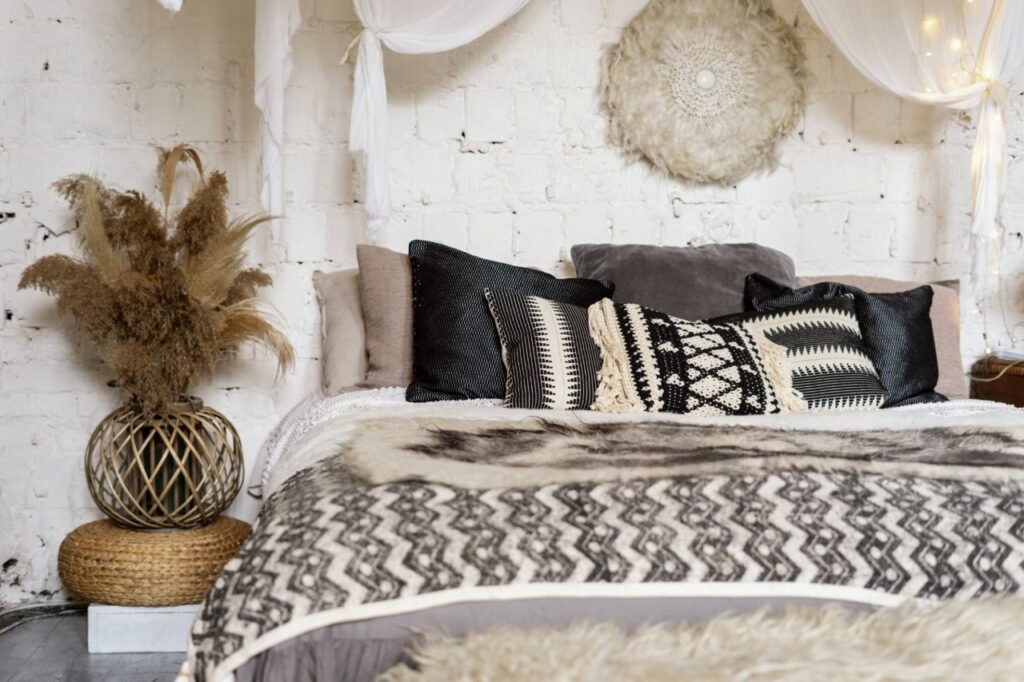
Bohemian style is not an aesthetic born of a single place or philosophy, but a tapestry woven from the threads of rebellion. It draws from the nomadic Romany, the free-spirited Beat poets, the 1960s counterculture, and the global wanderer. It is intrinsically personal, defiantly anti-establishment, and celebrates the beauty of the imperfect, the worn, the story-rich. For the Bohemian, the bed is not just for sleeping; it is a divan for daydreaming, a fortress of fabrics, an autobiography in textiles.
Our bohemian enters the same room and sees not an empty space, but a stage. The oak bed frame is a good start, but it might soon be draped, swathed, or partially obscured. The foundation is again the sheet, but here, it might be a vintage cotton with a faded floral stripe, a block print from India, or a simple linen in a deep, earthy terracotta or indigo. The point is character, a sense that this fabric has a past.
Then, the layering begins. This is the heart of the Bohemian story. A lightweight, fringed Moroccan selham (a woven blanket) might be tossed across the foot of the bed. A kantha quilt, its surface alive with running stitches telling folk tales, serves as the primary cover. A throw knitted from chunky, undyed wool adds weight and texture. A vintage ikat pillow cover from Uzbekistan sits next to a velvet one in emerald green, which in turn leans against a kilim pillow from Turkey. The colours are not chosen from a palette but collected from a life: deep jewel tones, saffron yellows, rusty reds, and oceanic blues all singing together in a chorus that somehow, miraculously, finds harmony.
Pattern is not feared; it is embraced. Stripes converse with florals, geometric motifs dance with paisleys. The magic lies in unifying them through a common colour thread, or more authentically, through the sheer confidence of collected passion. The bed is piled high—with pillows, with blankets, with the tangible comfort of abundance. It says, “Come, sink in, lose yourself. Explore.”
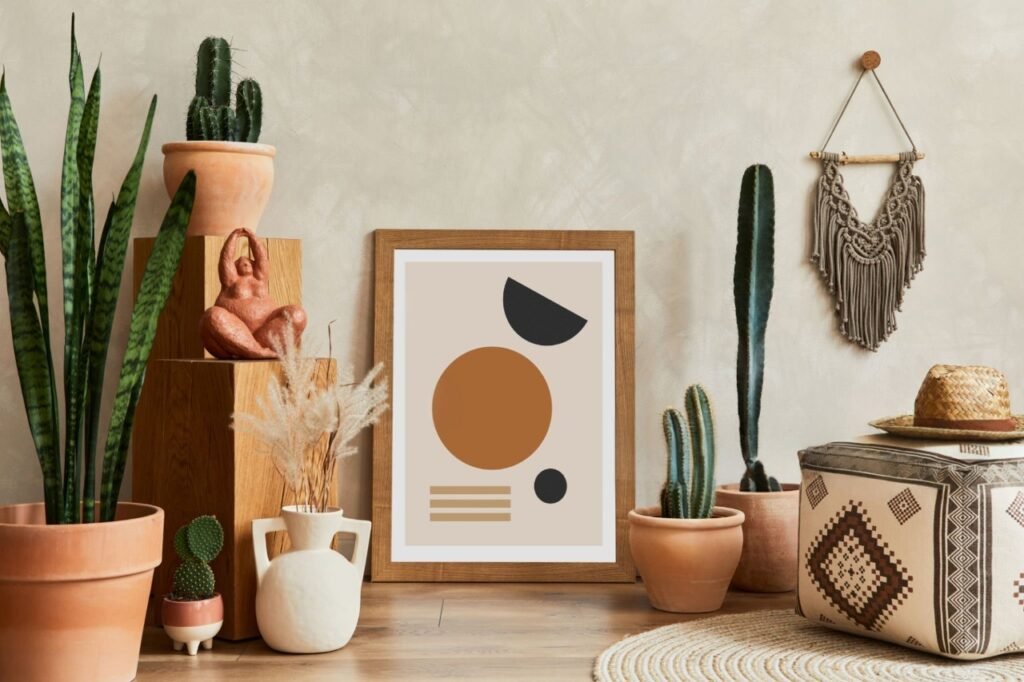
The surrounding space continues the narrative. A macramé wall hanging descends behind the headboard. A small pile of well-loved books sits on a rattan stool serving as a nightstand, next to a candle stub in a brass holder. A Persian rug, worn soft with time, blankets the floorboards. A trailing pothos plant spills from a hanging planter. This story is one of a life fully lived, of curiosity made manifest, of warmth that is tactile and enveloping. It shouts (in a friendly, melodic way), “Here, you may dream. Everything is an inspiration.”
The Dialogue Between Them: Finding Your Own Voice
At first glance, these two stories seem to be in direct opposition. One is a haiku; the other is a free-verse epic poem. One seeks to remove, the other to accumulate. One offers mental space, the other sensory stimulation. Yet, they share a profound common ground: both are deeply intentional rejections of a generic, mass-produced ideal. Both demand a conscious choice about how you want to feel in your most private space.
Perhaps your own story doesn’t fit neatly into either chapter. The beauty of understanding these aesthetics is that you can begin to write your own blend. You might be a “Minimalist Bohemian”—someone who loves the global, collected feel but within a more curated, neutral framework. Your bed might have a simple white duvet, but layered with a single, magnificent antique Suzani pillow and a beautifully worn sheepskin at its foot. The palette is subdued—clays, sands, blacks, and ivories—but the textures and the one-of-a-kind pieces tell a worldly tale.
Or perhaps you are a “Maximalist Minimalist”—you adore the clean, architectural lines and sense of space, but crave more dramatic impact. Your bed might be a low, platform monolith dressed in stark black linen, with a single, enormous abstract painting in bold colours on the wall above it. The minimalism is in the editing, but the statement is bold and uncompromising.
Crafting Your Chapter: Practical Storytelling
So, how do you begin to write your story onto that waiting bed? Start not with a shopping list, but with a feeling.
- Close your eyes.What is the first emotion you wish to feel when you open your eyes in the morning? Is it a sense of calm, uncluttered possibility? Or is it a sense of being surrounded by inspiring, beautiful things?
- Find your anchor piece.For the minimalist, this might be the perfect duvet cover in the exact right shade of off-white. For the bohemian, it might be a vintage textile you found at a market, its colours speaking to your soul. Build your story outward from this anchor.
- Layer with purpose, not pile with obligation.Even the Bohemian style, in its abundance, is about deliberate composition. Each pillow, each throw, should add to the narrative. For the minimalist, every single item must earn its place. Ask yourself: does this bring peace? Does this spark joy?
- Embrace the narrative of materials.A minimalist finds poetry in the drape of high-quality linen, the cool touch of marble on a bedside tray, the grain of unvarnished wood. A bohemian finds it in the nubby weave of a hand-loomed blanket, the soft patina of aged leather, the irregular glaze of a hand-thrown pottery vase. Let the materials tell their truth.
The late afternoon sun had now dipped lower, splitting the room into two distinct pools of light. One half, imagined with minimalist rigour, was a study in serene, elongated shapes and soft monochrome shadows. The other, dreamed in bohemian abundance, was a kaleidoscope of rich colour and tangled, loving detail. The oak bed frame stood between them, no longer lonely, but poised at a crossroads of potential.
In the end, the story of styling your bed is the story of styling your inner life. It is a daily, tangible practice of self-expression. Do you seek a sanctuary of silence, a canvas wiped clean for your thoughts? Or do you crave a nest of inspiration, a cocoon woven from the threads of the world’s wonders?
There is no correct ending to this story. Only your honest one. So listen to the whispers of the minimalist’s calm and the bohemian’s colourful call. Then, pick up your pen—in the form of a blanket, a pillow, a choice—and begin to write your own restful, beautiful tale. The bed, and the room, and the life that unfolds around it, will be waiting to tell it.
FAQs
1. I love both styles deeply but live in a small space. Won't a bohemian look just feel cluttered?
This is a beautiful challenge. The key is curation over accumulation. Adopt the bohemian spirit of texture and personality, but with a minimalist’s eye for scale. Choose one or two statement textiles—a magnificent quilt or a trio of exquisite pillows—and let them shine against a simpler base, like a solid-colour duvet. Use the walls (for tapestry, art, or hanging plants) and the vertical space above the bed to add layers without consuming precious floor or bed surface. A small room dressed in thoughtful, meaningful boho touches can feel like a cozy, inspired nest rather than a crowded attic.
1. I love both styles deeply but live in a small space. Won't a bohemian look just feel cluttered?
This is a common revelation, and it points the way to your personal hybrid style. Minimalism’s warmth is found in texture, organic forms, and a single note of life. Swap a polyester blend for a heavyweight, crinkled linen that softens with time. Introduce a single, substantial material: a chunky knit throw folded precisely at the foot of the bed, a large seagrass basket for your bedside essentials, or a headboard in a warm, tactile wood. Most powerfully, allow for one living element—a graceful, low-light plant in a simple pot on the nightstand, or a vase with a single, sculptural branch. These elements introduce soul without noise.
3. I’m drawn to the bohemian look, but it can get expensive. How do I achieve it authentically without a huge budget?
Authentic bohemian style is actually allied with a thoughtful budget, for its heart is in the found, the handmade, and the slow collection. It resists the fast-furniture, matching-set mentality. Start with a solid, affordable base (a simple duvet and sheets) and build your story slowly. Scout thrift stores, flea markets, and online marketplaces for vintage fabrics and unique pillows. Learn a simple craft, like macramé or basic embroidery, to create your own wall hanging or pillow cover. The most resonant pieces are often those with a past or those made by your own hand. The true cost is not money, but time and curiosity.