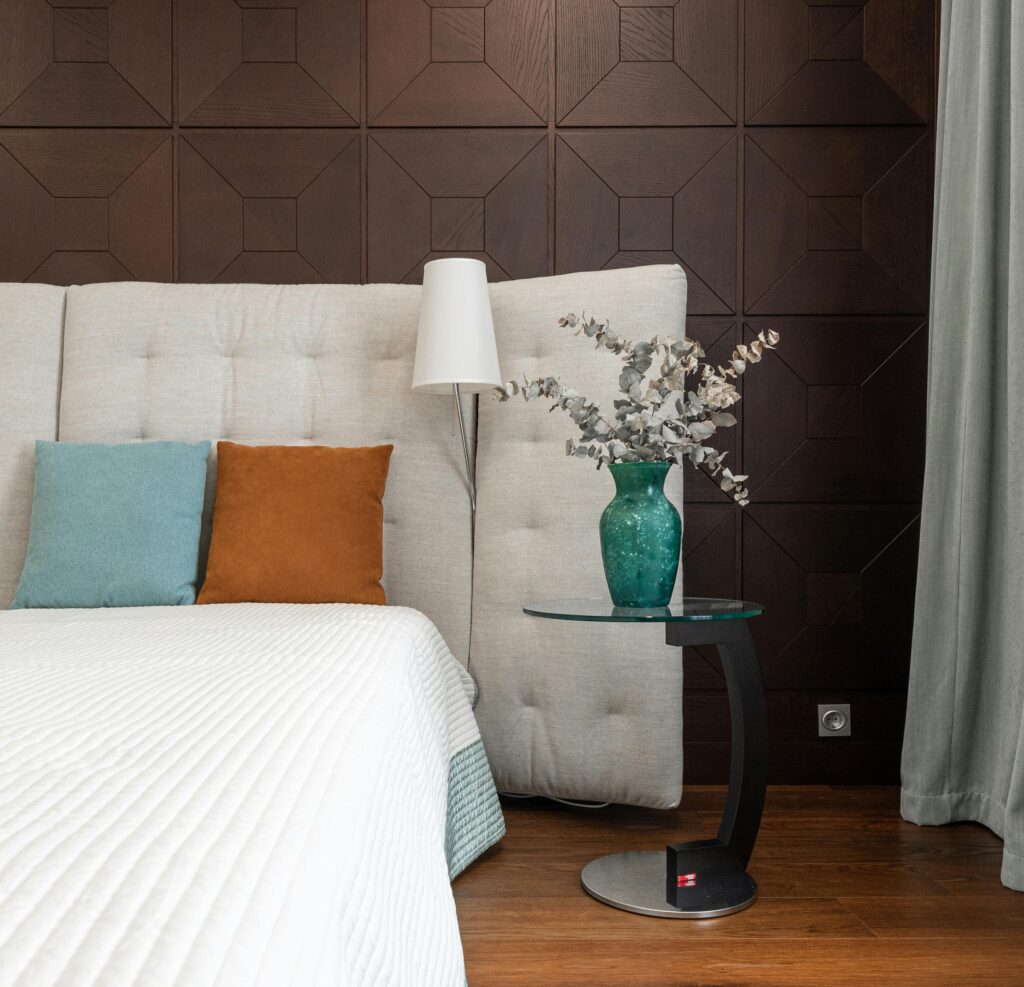
Let me take you back to three weeks ago, when I was convinced I’d scored the deal of the century.
I’d been eyeing this gorgeous emerald green bedding set for weeks. It kept popping up in my Instagram feed, all dreamy lighting and perfectly styled bedrooms, with that subtle sheen that made everything look so luxe. When the “flash sale” notification pinged on my phone, I didn’t even think twice. Original price: way too much. Sale price: practically stealing. I clicked “buy now” before my rational brain could catch up.
The package arrived in this compact little box, vacuum-sealed like some sort of space-age mattress situation. I ripped it open with all the excitement of a kid on Christmas morning. And then… that smell hit me. You know the one – that sharp, almost chemical whiff that screams “I was manufactured in a factory far, far away.” But I brushed it off. “New stuff always smells weird,” I told myself. “It’ll air out.”
I threw them in the wash, made my bed with the precision of someone about to host a magazine photoshoot, and stood back to admire my handiwork. The bedroom looked like a different space. So sophisticated. So grown-up. So… crinkly?
That first night, I climbed into bed feeling like a queen. For about thirty seconds. Then I started noticing things. The sheets made this strange rustling noise every time I moved. They felt almost slippery, but not in a nice way – more like they were fighting against my skin instead of just… being there. I tossed and turned, unable to get comfortable, and woke up a few hours later feeling unusually warm and slightly damp, like I’d been sleeping in a greenhouse.
I woke up the next morning with three tiny red bumps on my cheek. “Probably just a random pimple,” I thought. “Stress or hormones or whatever.”
By day three, those three bumps had multiplied into an entire constellation across my jawline. And then came the back. Oh, the back. I felt this familiar, unwelcome tingle between my shoulder blades, and when I twisted to look in the mirror, my heart sank. A cluster of angry red bumps had taken up residence on my upper back – territory I hadn’t had to defend since my awkward teenage years.
My bargain bedding had officially declared war on my skin.
The Panicked Text to My Dermatologist Friend
I’ll be honest – I went straight to the group chat.
“Ladies. SOS. My face is exploding and my back looks like a connect-the-dots puzzle. Help.”
My friend Sarah, who’s a dermatology resident and therefore the designated skin expert of our friend group, responded almost immediately with a voice note. I still remember her exact words, because they’ve been living rent-free in my head ever since:
“Babe. Tell me you didn’t buy those polyester sheets you were obsessing over.”
“…Maybe.”
“Oh, honey. No. No no no. You’re basically wrapping yourself in a plastic bag every single night. Your skin can’t breathe. It’s like you’re marinating yourself in sweat and bacteria for eight hours straight.”
She wasn’t wrong. And as much as I wanted to defend my beautiful green sheets, I had a sinking feeling she’d hit the nail on the head.
What Actually Happens When You Sleep on Polyester
Here’s the thing I didn’t know before this whole debacle: we spend roughly a third of our lives in bed. That’s a lot of time for our skin to be in constant, intimate contact with whatever fabric we’re sleeping on. And throughout those hours, our bodies are doing all sorts of natural stuff – shedding dead skin cells, secreting oils, sweating. It’s not gross, it’s just biology.
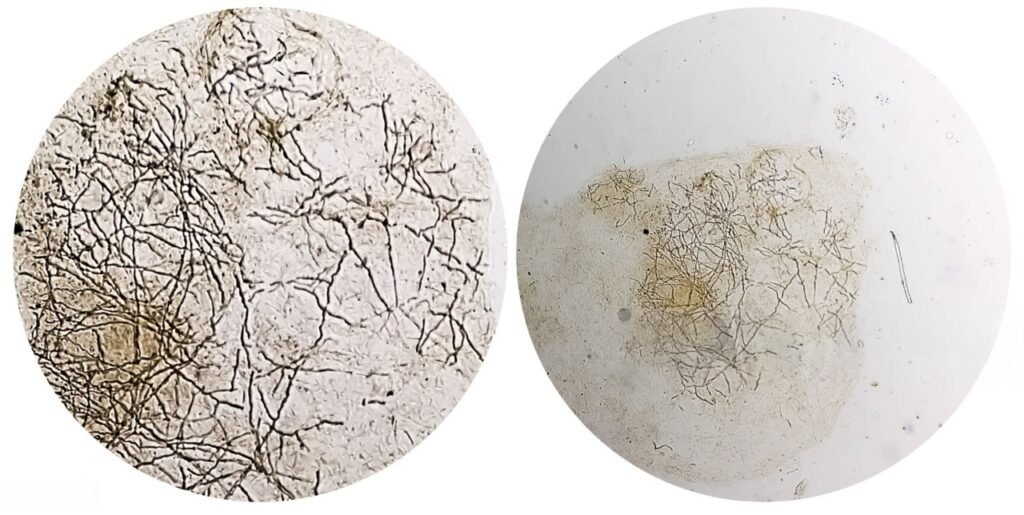
But here’s where it gets tricky. All that stuff we’re shedding? It doesn’t just disappear. It stays right there in our sheets, creating a microscopic feast for bacteria and dust mites. And if your sheets are made of the wrong material, you’re basically rolling around in a petri dish every night.
Polyester, bless its cheap little heart, is essentially plastic. It’s made from petroleum – the same stuff that goes into your gas tank. And while it’s great for things like durability and wrinkle resistance (and keeping costs low), it’s absolutely terrible for skin.
The problem starts with breathability – or rather, the complete lack of it. Natural fibers like cotton have these hollow cores that allow air to circulate freely. Polyester fibers? Solid as a rock. No airflow whatsoever. When you sweat – and everyone sweats at night, even if you don’t notice it – that moisture has nowhere to go. It just sits there, trapped between your skin and the sheet, creating a warm, damp environment that bacteria absolutely adore.
And we’re not just talking about any bacteria here. We’re talking about Cutibacterium acnes – the little monster that’s primarily responsible for inflamed acne breakouts. Give this bacteria a warm, moist environment with plenty of dead skin cells to munch on, and it multiplies like crazy. Then your immune system kicks in, inflammation follows, and boom – you’ve got yourself a breakout.
The Bacne Connection
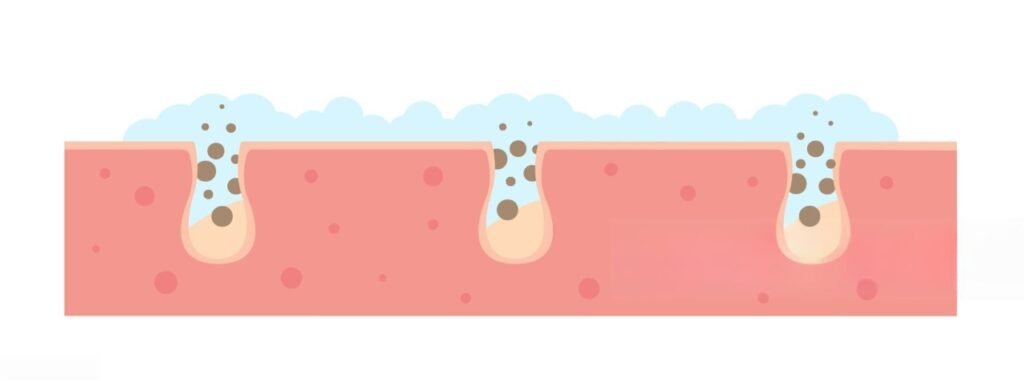
Now, back acne – or bacne, as we lovingly call it – is a whole different beast. Our backs have a really high concentration of sebaceous (oil) glands, which makes them a prime location for breakouts even in ideal circumstances. Add polyester sheets to the mix, and you’re creating a perfect storm.
Think about it. For eight hours every night, your back is pressed against this non-breathable fabric. All the sweat and oil your back produces can’t evaporate. Instead, it mixes with dead skin cells and creates this sludgy mixture that’s incredibly effective at clogging pores. The technical term for this is a comedone – the initial, non-inflamed lesion that can eventually become a full-blown pimple.
But it gets worse. The friction from the synthetic fibers physically irritates your skin. This micro-friction can cause inflammation and redness, making existing breakouts look angrier and more painful. It can also trigger something called acne mechanica – acne caused by heat, pressure, and friction on the skin. This is the same thing that athletes get from wearing tight synthetic gear, or that musicians get from instrument straps rubbing against their skin.
My back, by day five, was a testament to all of this science. The little red bumps had become full-fledged pimples, tender to the touch and incredibly uncomfortable. My bra strap rubbed against them all day, making everything worse. I was miserable.
Why My Face Was Suffering Too
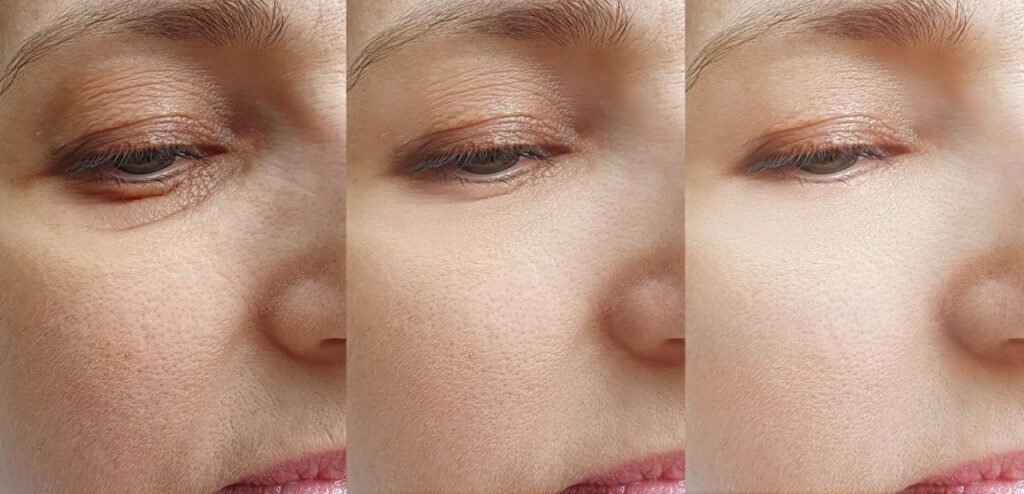
The pillowcase was a whole separate nightmare. My face was pressed against that synthetic material for eight hours straight, and the results were brutal. The same rules applied – trapped sweat, trapped oil, no breathability. But there were additional factors at play.
Hair products. We all use them – conditioners, serums, styling creams. These products leave residues on our hair, which then transfer to our pillowcases. With a breathable cotton pillowcase, some of that might absorb away from your skin. With polyester? It just sits there, pressing into your face all night long.
Same goes for facial skincare. You do your whole nighttime routine – cleanse, treat, moisturize – and then you go to bed. But if your pillowcase is trapping heat and moisture, you’re essentially creating a steamed environment that can drive those skincare products deeper into your pores than you might want. Or worse, the heat and moisture can break down certain active ingredients, rendering them less effective.
I noticed my skin looking dull and congested, not just broken out. My pores looked larger, my complexion was uneven, and there was a general sallowness that no amount of expensive serum could fix. My skin barrier, I later learned, was completely compromised.
The Chemical Question
Here’s something else that bothered me once I started digging deeper. Polyester production involves a lot of chemicals – ethylene glycol, terephthalate, various dyes and finishes. These chemicals can leach into the fabric and potentially irritate sensitive skin.
Now, I’m not one to get paranoid about every single chemical exposure in modern life. But when you’re sleeping on something for eight hours a night, with your skin pressed directly against it, the cumulative exposure adds up. And if you’ve got sensitive or acne-prone skin, those chemicals might be triggering or exacerbating breakouts.
Plus, there’s the whole issue of how we care for synthetic fabrics. We tend to use more detergent and fabric softener to try and make them feel softer and smell fresher. But fabric softener actually coats the fibers with a waxy layer, making them even less breathable. And those heavy detergents leave residues that can directly irritate skin. It’s a vicious cycle of adding more chemicals to try and fix problems that the fabric itself is causing.
My Week of Absolute Misery
Against all better judgment – and my friend Sarah’s repeated warnings – I decided to stick with my polyester sheets for a full week. I wanted to see just how bad things could get. Call it scientific curiosity, call it sheer stubbornness, call it not wanting to admit I’d wasted my money. Whatever it was, I committed.
Night One: The sensory assault began immediately. These sheets were LOUD. Every toss, every turn, every slight movement produced this crinkling sound like I was sleeping on a bag of chips. The texture was weird too – slippery but not soft, if that makes sense. It felt like my skin was sliding over the fabric instead of settling into it. I woke up several times, hot and uncomfortable, and found myself unconsciously trying to create distance between my face and the pillow.
Morning One: My skin felt tight and slightly irritated, but no major breakouts yet. I noticed my hair was extra staticky, which I’d later learn is another polyester issue. I chalked it up to the weather and went about my day.
Night Two: The crinkling was starting to drive me crazy. I’m someone who needs complete quiet to sleep, and this was like sleeping next to a chip bag. I found myself staying in one position just to avoid the noise, which of course made me tense and uncomfortable. More tossing, more turning, more sweating trapped against my skin.
Morning Two: The first tiny red bumps appeared along my hairline. Small, tender, definitely not just “random pimples.” I texted Sarah a photo and she responded with a single word: “Polyester.” I ignored her.
Night Three: I started consciously trying to keep my cheek off the pillowcase. It was ridiculous – I was sleeping like a vampire, perfectly flat on my back, arms at my sides. Of course, this unnatural position made me even more uncomfortable, so I’d wake up every hour and go through the same cycle. The lack of sleep was making everything worse – stress hormones spike when you’re sleep-deprived, which in turn can trigger more breakouts.
Morning Three: The cheek breakout was official. A cluster of angry red bumps had taken up residence on my right cheek, the side I usually sleep on. My back was starting to itch too, which I knew was a bad sign.
Night Four and Five: This is when things got really ugly. The bacne arrived in full force. My upper back was covered in small, red, inflamed bumps that were tender to the touch. They hurt when I moved, hurt when I lay down, hurt when my shirt rubbed against them. My face was a mess – breakouts on my cheeks, jawline, and forehead. My skin overall felt tight, irritated, and just… wrong. Like it was screaming at me to stop whatever I was doing.
Night Six: I gave up. The desire for a good night’s sleep and the sight of my increasingly unhappy skin won out over my curiosity. I stripped the bed, threw the polyester sheets in a corner of my closet, and dug out my old cotton sheets. Getting into bed that night was like coming home. The cotton was soft, quiet, and breathable. My skin could finally breathe. I slept like a baby.
The Aftermath: Within two days of being back on cotton, the new breakouts stopped. Within four days, the inflammation had calmed down significantly. Within a week, my skin looked almost back to normal. The bacne took a little longer to clear up, but it was healing. The relief was immense.
What I Learned About What to Sleep On
My disastrous week on polyester was a powerful lesson, but it also left me with a burning question: if polyester is so terrible, what should we actually be sleeping on?
The answer, according to my dermatologist friend Sarah and a whole lot of research I did afterward, is natural, breathable fabrics. Here’s the breakdown of what I discovered:
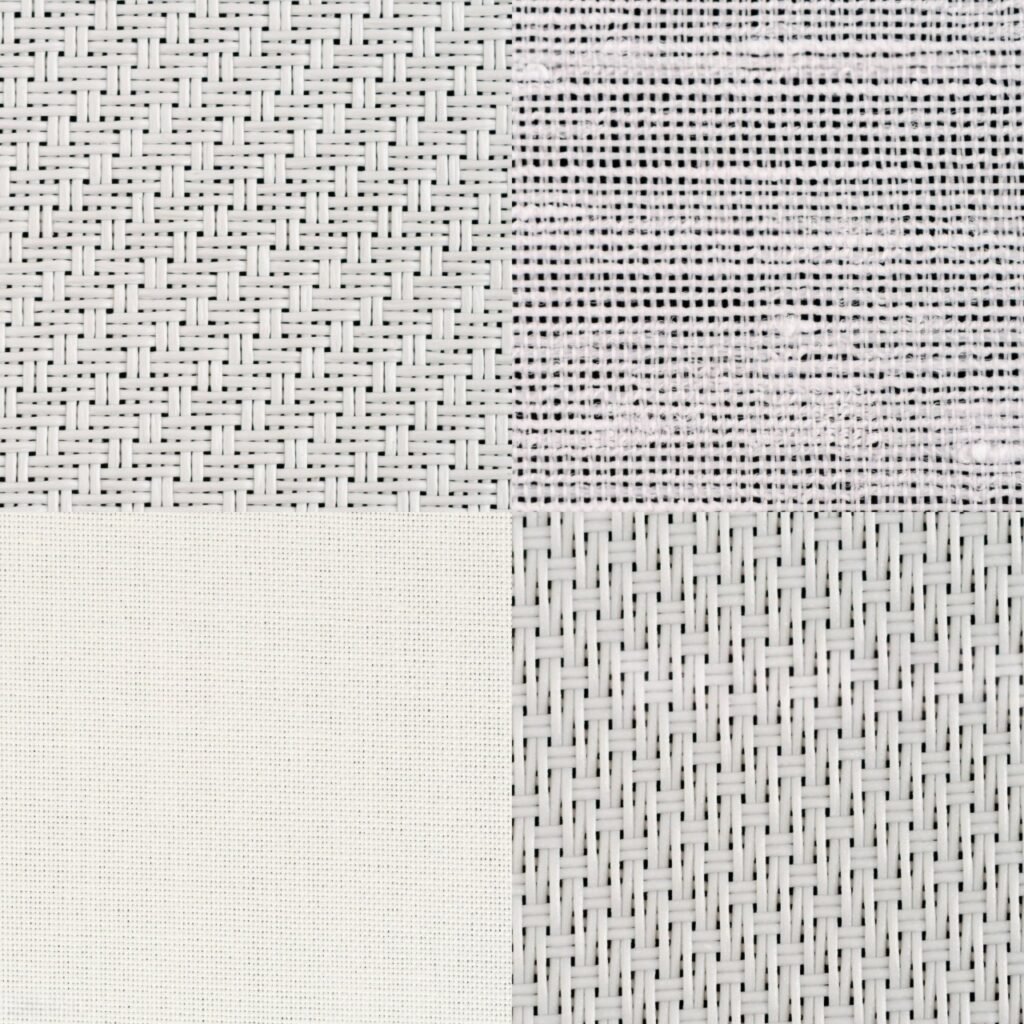
Cotton – The Reliable Workhorse: For most people, high-quality cotton is the gold standard. It’s breathable, soft, and absorbent. The trick is to look for long-staple cotton like Egyptian or Pima cotton, which tends to be softer, more durable, and more breathable than regular cotton. And here’s something counterintuitive I learned: you don’t want the highest thread count possible. Thread counts between 300 and 600 are ideal. Anything higher than that means the fabric is woven so tightly that it becomes less breathable, defeating the whole purpose.
Linen – The Breathability King: Linen is made from the flax plant, and it’s incredibly breathable and moisture-wicking. The unique weave allows for excellent airflow, and it’s naturally bacteria-resistant and hypoallergenic. It’s also a fantastic choice for hot sleepers or anyone living in humid climates. The only downside is that it wrinkles easily and has a slightly rough texture that some people don’t like, but it softens with every wash.
Silk – The Luxury Option: Silk pillowcases have become hugely popular in the beauty world, and for good reason. The smooth surface causes way less friction than cotton or synthetics, which helps prevent sleep lines and reduces irritation that can trigger acne. It’s also naturally hypoallergenic and doesn’t absorb your skin’s moisture the way cotton does. But – and this is a big but – you need to buy real silk, not synthetic satin. That “satin” label often means it’s just polyester in disguise, and you’ll have the exact same problems.
Bamboo and Tencel – The New Kids on the Block: These modern fabrics are gaining popularity for their skin-friendly properties. They’re exceptionally soft, highly breathable, and excellent at wicking away moisture. They’re also naturally hypoallergenic and more sustainable to produce than traditional cotton. I ended up buying a bamboo sheet set to replace my awful polyester ones, and honestly? They’re incredible.
The Other Half of the Equation: Cleaning
My disastrous week on polyester was a powerful lesson, but it also left me with a burning question: if polyester is so terrible, what should we actually be sleeping on?
The answer, according to my dermatologist friend Sarah and a whole lot of research I did afterward, is natural, breathable fabrics. Here’s the breakdown of what I discovered:
Cotton – The Reliable Workhorse: For most people, high-quality cotton is the gold standard. It’s breathable, soft, and absorbent. The trick is to look for long-staple cotton like Egyptian or Pima cotton, which tends to be softer, more durable, and more breathable than regular cotton. And here’s something counterintuitive I learned: you don’t want the highest thread count possible. Thread counts between 300 and 600 are ideal. Anything higher than that means the fabric is woven so tightly that it becomes less breathable, defeating the whole purpose.
Linen – The Breathability King: Linen is made from the flax plant, and it’s incredibly breathable and moisture-wicking. The unique weave allows for excellent airflow, and it’s naturally bacteria-resistant and hypoallergenic. It’s also a fantastic choice for hot sleepers or anyone living in humid climates. The only downside is that it wrinkles easily and has a slightly rough texture that some people don’t like, but it softens with every wash.
Silk – The Luxury Option: Silk pillowcases have become hugely popular in the beauty world, and for good reason. The smooth surface causes way less friction than cotton or synthetics, which helps prevent sleep lines and reduces irritation that can trigger acne. It’s also naturally hypoallergenic and doesn’t absorb your skin’s moisture the way cotton does. But – and this is a big but – you need to buy real silk, not synthetic satin. That “satin” label often means it’s just polyester in disguise, and you’ll have the exact same problems.
Bamboo and Tencel – The New Kids on the Block: These modern fabrics are gaining popularity for their skin-friendly properties. They’re exceptionally soft, highly breathable, and excellent at wicking away moisture. They’re also naturally hypoallergenic and more sustainable to produce than traditional cotton. I ended up buying a bamboo sheet set to replace my awful polyester ones, and honestly? They’re incredible.
The Other Half of the Equation: Cleaning
Switching to natural fabrics is a huge step, but it’s only half the battle. Even the best cotton or silk sheets can cause breakouts if they aren’t kept clean. Remember that cocktail of oil, sweat, and dead skin cells I mentioned earlier? It builds up on every type of fabric. The key is to stay on top of it.
Here’s what I’ve learned from both Sarah’s professional advice and my own experience:
Wash Everything Weekly: At minimum, you should wash your bedding once a week. If you have oily skin, sweat a lot, or live in a humid climate, you might want to wash pillowcases every two to three days. I now have a rotation of multiple pillowcases so I can change them mid-week without having to do a full load of laundry.
Choose Your Detergent Carefully: Strong detergents with harsh fragrances and dyes can leave residues on fabric that irritate skin. I switched to a fragrance-free, hypoallergenic liquid detergent, and it made a noticeable difference. There are also specific detergents designed for sensitive skin that work well.
Skip the Fabric Softener: This one hurt because I love the smell and feel of fabric softener. But here’s the thing – fabric softener coats fibers with a thin, waxy layer. On synthetic fabrics, this makes them even less breathable. On natural fibers, it reduces their absorbency. Instead, I started adding half a cup of white vinegar to the rinse cycle. It acts as a natural fabric softener and helps remove detergent residue without leaving a film on the sheets. Bonus: it doesn’t leave a vinegar smell once the sheets are dry.
Wash in Hot Water: To actually kill bacteria and dust mites, you need hot water. I now wash all my bedding on the hottest setting the fabric can handle. Check the care labels, but generally, cotton, linen, and bamboo can handle hot water.
Line Dry When Possible: The sun’s UV rays are a natural disinfectant. Whenever the weather permits, I dry my sheets outside. They come in smelling amazing and feeling extra fresh. If I have to use a dryer, I use wool dryer balls instead of dryer sheets to avoid adding any chemical coatings to the fabric.
What About the Rest of My Bedding?
It’s not just the sheets and pillowcases. I started thinking about everything in my bed. My duvet cover, my mattress protector, even my pajamas. All of it was potential skin offenders.
I switched my duvet cover to a cotton one, ditched the synthetic mattress protector for a natural cotton one, and started paying attention to what my pajamas were made of. Turns out, I had some polyester pajama sets that I’d bought because they were cute, and they were probably contributing to the problem too. Now I look for cotton or bamboo pajamas, and my skin has thanked me for it.
The Verdict: Are Polyester Sheets Really That Bad?
After everything I went through – the miserable nights, the angry breakouts, the frantic texts to my dermatologist friend – I can say with absolute certainty: yes, synthetic polyester sheets can absolutely cause body acne and back breakouts. They’re not just an uncomfortable choice; they’re actively working against clear skin.
The science is undeniable. The fabric traps heat and moisture, creating the perfect environment for acne-causing bacteria. The friction irritates your skin and triggers inflammation. The chemicals in the fabric and the way we care for it add insult to injury. It’s a perfect storm of skin problems, all wrapped up in a cheap, crinkly package.
But here’s the good news: it’s completely avoidable. Switching to natural, breathable fabrics is one of the simplest and most effective things you can do for your skin. It might cost a bit more upfront, but the investment in your comfort and your skin’s health is absolutely worth it.
My journey from bargain-hunter to skin-conscious sleeper taught me something important. Sometimes, the most expensive thing you can buy is a cheap pair of sheets. You end up paying for it with sleepless nights, irritated skin, and expensive skincare products trying to fix the damage. Or, in my case, all three.
I eventually bought a set of bamboo sheets that cost more than I’d usually spend, but you know what? I’ve never regretted it. They’re soft, breathable, and quiet. My skin is clear, I sleep through the night, and I don’t wake up feeling like I’ve been marinating in plastic.
My back and my face are eternally grateful for that lesson. And honestly? So am I.
Frequently Asked Questions
1. How often should I wash my sheets to prevent acne?
Most dermatologists recommend washing your bedding, especially pillowcases, at least once a week. However, if you have oily skin, sweat a lot at night, or live somewhere humid, change your pillowcase every two to three days. I personally have multiple pillowcases so I can swap them out mid-week without doing a full laundry load.
2. Are silk or satin pillowcases actually better for my skin?
Pure silk pillowcases are excellent – they reduce friction, which helps prevent irritation and sleep lines, and they’re naturally hypoallergenic. But you need to be careful. Many “satin” pillowcases are made from polyester, which is the exact opposite of what you want. Always check the label to make sure you’re getting 100% silk, not synthetic satin.
3. What's the best fabric for acne-prone skin?
For acne-prone skin, look for fabrics that are breathable and moisture-wicking. High-quality cotton (with a thread count between 300 and 600) is a reliable, affordable option. Linen is fantastic for its breathability and antibacterial properties. Bamboo and Tencel are also excellent choices, known for their softness and moisture management. For pillowcases specifically, pure silk is a great investment to reduce friction and irritation.