The Search for Sustainable Textiles
It began, as many of my quests do, with a simple desire for a better pair of pajamas. I had spent years buying whatever was on sale, accumulating a drawer full of faded, pilled, and frankly, uncomfortable nightwear. But this time, I was on a mission. I wanted something soft, something that would breathe, something that might even make me feel a little bit better about the world while I slept. A friend, the kind of person who composts and carries a reusable water bottle with religious fervor, looked at me with a mixture of pity and determination. “You need Tencel,” she declared. “Or bamboo. They’re the future.”
This was my first introduction to the world of “eco-friendly” fabrics. I felt a mix of excitement and confusion. How could a tree or a grass be turned into something so silky and comfortable? Was one truly better for the planet, or was this just another marketing ploy? I’m sharing my journey of discovery with you because I think many of us find ourselves at this crossroads. We want to make better choices, but the path is often obscured by buzzwords and greenwashing. So, let’s figure this out together. Let’s explore the fascinating, and sometimes murky, waters of sustainable textiles, specifically comparing the two heavyweights: Tencel Lyocell and Bamboo Viscose.
A Tale of Two Fibers: The Origins
To understand these fabrics, we first need to understand where they come from. Both are “regenerated cellulosic fibers.” This might sound like complicated science, but it simply means they are made from the cellulose of plants—wood and bamboo in this case—that is dissolved and then reformed into fibers that can be woven into cloth. They are not purely synthetic, like polyester, but they aren’t purely natural, like cotton, either. They exist in a fascinating middle ground.
The Story of Bamboo Viscose
Bamboo, at first glance, seems like the ultimate eco-warrior. This is a plant that grows like a weed, and in many ways, that’s the point. It is one of the fastest-growing plants on earth, with some species capable of growing up to 910 millimeters in just 24 hours . It needs no pesticides, little water, and grows densely, yielding more material per acre than many trees . When I first heard this, I was sold. A fabric that feels like silk, made from a plant that’s basically nature’s superhero? Sign me up!
But here’s where the story gets complicated. Most bamboo fabric on the market is actually “bamboo viscose.” This is a crucial distinction. The Federal Trade Commission (FTC) has even cracked down on misleading labels, forcing companies to list their products as “rayon made from bamboo” . And what is this viscose process?
Imagine breaking down the bamboo’s woody core into a pulp using a cocktail of harsh chemicals like sodium hydroxide (caustic soda) and carbon disulfide . This creates a viscous brown solution that is then pushed through tiny nozzles into a bath of diluted sulfuric acid, where it hardens into fibers . This process is resource-intensive and, when not carefully managed, can be incredibly polluting. The chemicals used are toxic and can pose significant risks to both the environment and the health of factory workers . The redeeming qualities of the bamboo plant itself—its natural growth speed and pest resistance—are largely undermined by the chemical-intensive nature of this processing .
The Rise of Tencel Lyocell
Now, enter Tencel Lyocell. Tencel is actually a brand name, owned by the Austrian company Lenzing, for their lyocell fibers . Like bamboo viscose, it starts with wood pulp, but the story is very different. Lenzing sources its wood from responsibly managed, FSC-certified forests . But the real magic happens in the production process.
Tencel Lyocell is created using an innovative “closed-loop” system. In this process, the wood pulp is dissolved in a non-toxic solvent called amine oxide. The amazing part is that this solvent is recovered and reused at a rate of over 99.8%, with almost zero waste . This is a game-changer. It means that the production of Tencel Lyocell uses significantly fewer chemicals and produces far less pollution than the traditional viscose process used to make most bamboo fabric . For me, discovering this was the first moment I realized that not all “eco” claims are created equal. The sustainability isn’t just about the source material; it’s about the entire lifecycle.
The Face-Off: Comfort, Durability, and Feel
Alright, so we know the backstory. But what does it feel like to wear these fabrics? This is where my personal quest for the perfect pajamas gets really interesting. I eventually bought a bamboo viscose set and a Tencel Lyocell set to compare. I wore them, washed them, and lived in them to truly understand the difference.
Sensory Comfort and Softness
When you first touch both Tencel and bamboo viscose, they are incredibly soft, far surpassing regular cotton. They drape beautifully and have a luxurious, silky feel against the skin. Both are excellent at wicking moisture away, keeping you cool and dry . Scientific studies back this up, showing that both bamboo (with a moisture regain of 13.0%) and Tencel (at 11.0%) absorb moisture exceptionally well, making them ideal for activewear and bedding .
However, I found a subtle yet distinct difference after a few weeks. The Tencel fabric had a smoother, almost more refined texture. This aligns with research showing that Tencel provides superior tactile comfort with low surface friction, which is why it feels so gentle on the skin . Both are fantastic for sensitive skin, but I’d give the edge to Tencel for its incredibly smooth hand-feel.
The Long Haul: Durability
This is where the two fabrics truly diverged in my experiment. After a few months of regular washing, I noticed a clear pattern. The bamboo viscose pajamas, while still soft, were beginning to show signs of pilling, little clusters of fuzz on the surface. The Tencel, however, looked almost as good as new. It held its shape better and resisted pilling far longer.
This personal experience is reflected in industry knowledge. Experts note that a Tencel jersey can cost 40% more per yard but last twice as many wash cycles before showing visible wear compared to bamboo viscose . In commercial settings, like hospitality linen, suppliers switching to Tencel blends have reported a significant drop in replacement orders because the fabric holds up so much better .
Think of it this way: the cheaper upfront cost of bamboo viscose can be deceptive. When you calculate the “cost per wear,” the more durable Tencel often becomes the more economical and sustainable choice in the long run. A garment that lasts years instead of months is inherently more sustainable, as it reduces the need to buy new items.
The Environmental Verdict: Who Wears the Crown?
This is the heart of the question. Which fabric is superior? If you base it solely on the environmental impact, the answer becomes clear.
The True Cost of Bamboo Viscose
The promise of bamboo is a classic case of greenwashing. Yes, the plant is fast-growing and sustainable, but the process of turning it into a soft fabric is anything but. The chemicals required are dangerous and the environmental toll can be immense . Furthermore, the claim that bamboo fabric retains its natural antibacterial properties is, according to the FTC and scientific research, largely a myth . The harsh chemical process removes the plant’s natural properties . The soft “bamboo” fabric you buy is a chemically processed material that has more in common with rayon than with the natural plant it came from.
Another significant issue is that most bamboo fabric is produced in China with very little transparency in the supply chain . The rapid growth of bamboo plantations has, in some cases, led to the clearing of diverse forests and the creation of environmentally fragile monocultures .
Tencel’s Green Credentials
Tencel Lyocell stands as a beacon of a better way. It’s not just about the raw material, which is sourced responsibly, but the entire closed-loop manufacturing system . The recovery of 99.8% of the solvent is a massive, verifiable achievement.
Tencel Lyocell
- Production: Closed-loop, non-toxic solvent.
- Raw Material: Sourced from FSC-certified forests.
- Durability: Long-lasting, resists pilling.
- Feel: Silky, smooth, low friction.
- Certification: EU Ecolabel, Oeko-Tex Standard 100, ISO .
Bamboo Viscose
- Production: Chemical-intensive, open-loop (often polluting).
- Raw Material: Fast-growing, low resources.
- Durability: Good, but can pill and wear out faster.
- Feel: Soft, excellent moisture absorption.
- Certification: Requires careful scrutiny; often lacks credible eco-labels.
When you compare them, the contrast is stark. One is a fiber produced with a toxic chemical process and dubious claims, while the other is manufactured with cutting-edge, closed-loop technology designed to minimize environmental harm .
Making an Informed Choice: What Matters to You?
So, where does this leave us? The title of this exploration asked which eco-friendly fabric is superior. The answer, based on the facts, is clearer than I initially expected. Tencel Lyocell emerges as the superior choice for the environmentally conscious consumer. It offers a longer lifespan, superior comfort, and a production process that is genuinely sustainable.
Tencel Lyocell: The Premium Choice for a Reason
Choosing Tencel is an investment. It often comes with a higher price tag than bamboo viscose, but you are paying for a genuinely superior product and a verifiably cleaner production process. You are investing in a garment that will last longer, feel better, and support a manufacturing model that is a legitimate leader in sustainable textile production . It’s the choice of brands and consumers who are tired of greenwashing and are ready for real, tangible solutions.
Bamboo Viscose: Not Without Its Niches
Does this mean bamboo viscose is a terrible fabric that should be avoided? Not entirely. For a budget-friendly option that still feels very soft and comfortable, bamboo viscose has its place. But here is the crucial warning: if you are buying bamboo viscose expecting an “eco-friendly” product, you are likely being misled. As the sources make abundantly clear, the conventional viscose process is a hidden environmental cost that too few consumers are aware of.
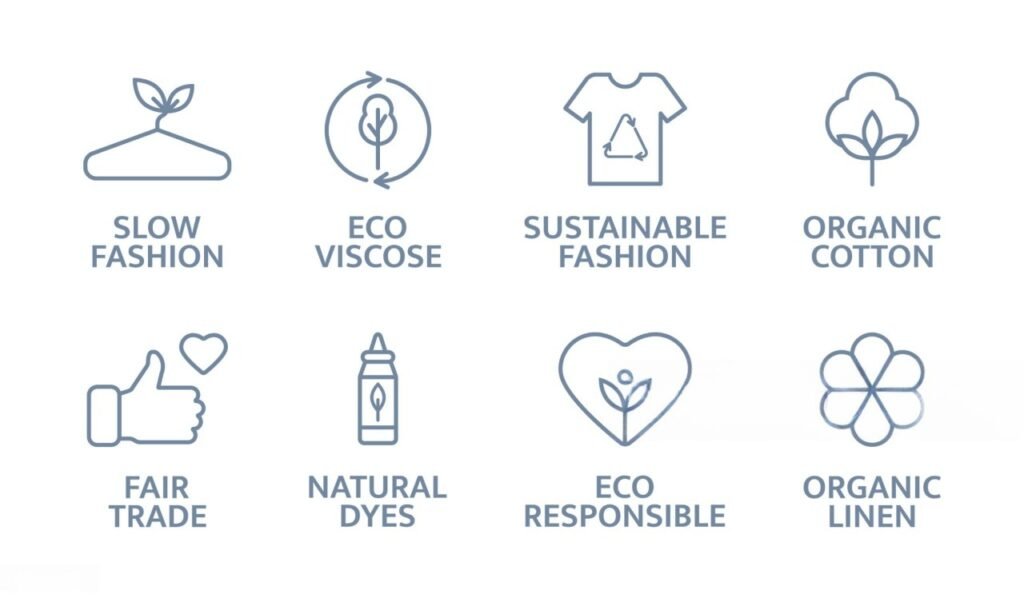
If you do choose bamboo, be incredibly vigilant. Look for “Bamboo Lyocell” which uses the same closed-loop process as Tencel, or for certifications that guarantee sustainable sourcing and manufacturing. Don’t be fooled by vague “green” claims.
In the end, my quest for the perfect pajamas ended with a newfound appreciation for the stories behind our clothes. It’s no longer just about how soft a fabric is; it’s about the journey it took to get to my dresser. And in the case of Tencel Lyocell, that journey is one I can feel good about supporting.
Frequently Asked Questions (FAQs)
1. Is bamboo fabric truly eco-friendly?
Most bamboo fabric is actually bamboo viscose made via a chemical-intensive process. While the bamboo plant itself is sustainable, the processing often involves toxic chemicals and is not eco-friendly. The term “bamboo” can be misleading. Look for “bamboo lyocell” made in a closed-loop system for a genuinely sustainable option .
2. Why is Tencel Lyocell considered more sustainable than bamboo?
Tencel Lyocell uses a closed-loop production process that recovers and reuses over 99% of its solvents, minimizing waste and pollution . In contrast, most bamboo viscose is made with an open-loop process that can release toxic chemicals into the environment . Additionally, Tencel sources its wood from certified, responsibly managed forests .
3. Which fabric is better, Tencel or bamboo viscose?
For a combination of sustainability, durability, and comfort, Tencel is the superior choice. It is softer, lasts longer, resists pilling, and is made with a much cleaner process. Bamboo viscose can be soft and comfortable but is often less durable and its production can be environmentally harmful .