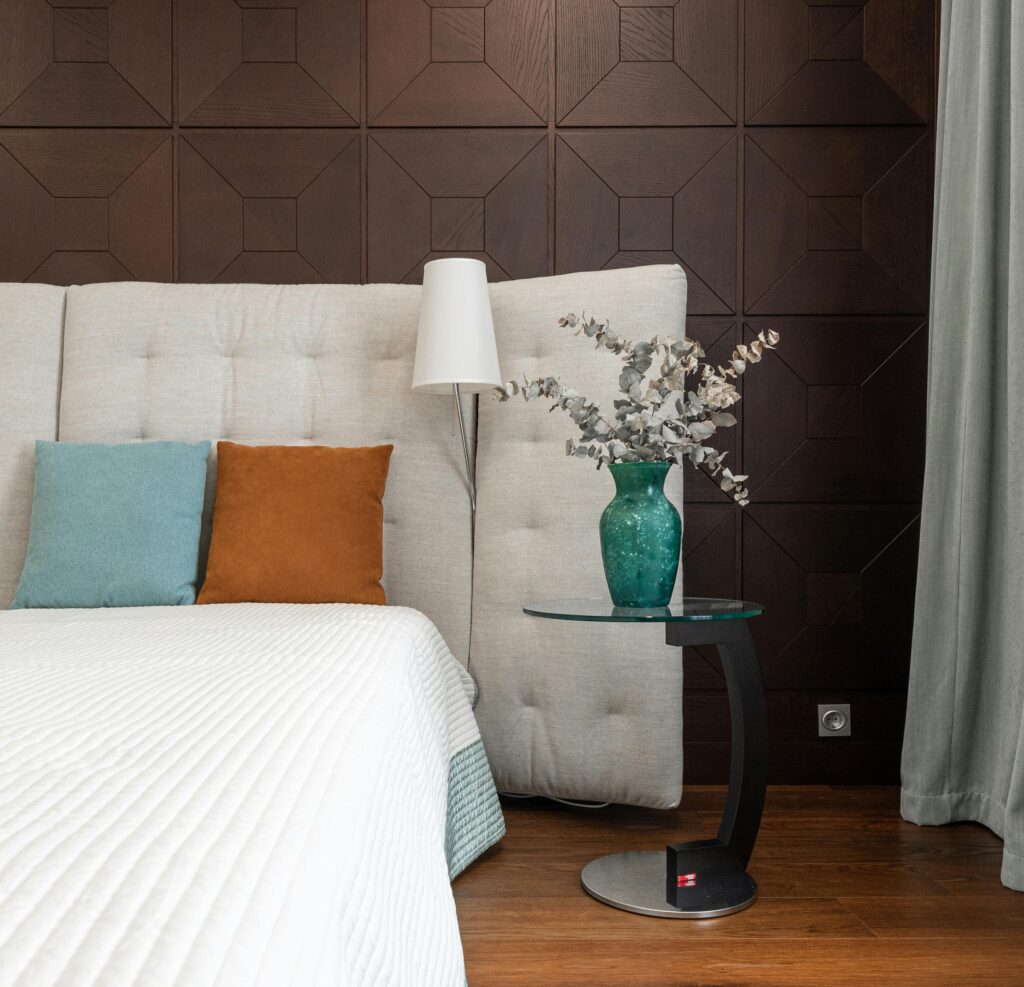
The story of how a $19.99 bedding deal became a three-wash nightmare—and what’s really lurking in that impossibly soft fabric.
I still remember the thrill of that bargain. There it was, a complete bedding set—fitted sheet, flat sheet, two pillowcases—all for $19.99. The color was exactly what I’d been hunting for, that perfect dusty sage green that would tie my whole bedroom together. But more than the color, it was the feel. The fabric was impossibly soft, like stroking a cloud made of silk. I ran my hand over it in the store, mesmerized. It was smoother than my old cotton sheets, which had taken years to soften to just the right comfort level.
The store associate, a cheerful young woman with a laminated badge proclaiming her a “Bedding Specialist,” noticed my hesitation. “It’s microfiber,” she said, beaming. “It’s the newest thing. Super soft, stain-resistant, and it stays vibrant forever. It’s a steal at this price.” I didn’t need convincing. I was already mentally arranging it on my bed, planning the Instagram photo. I bought two sets, because at that price, why not?
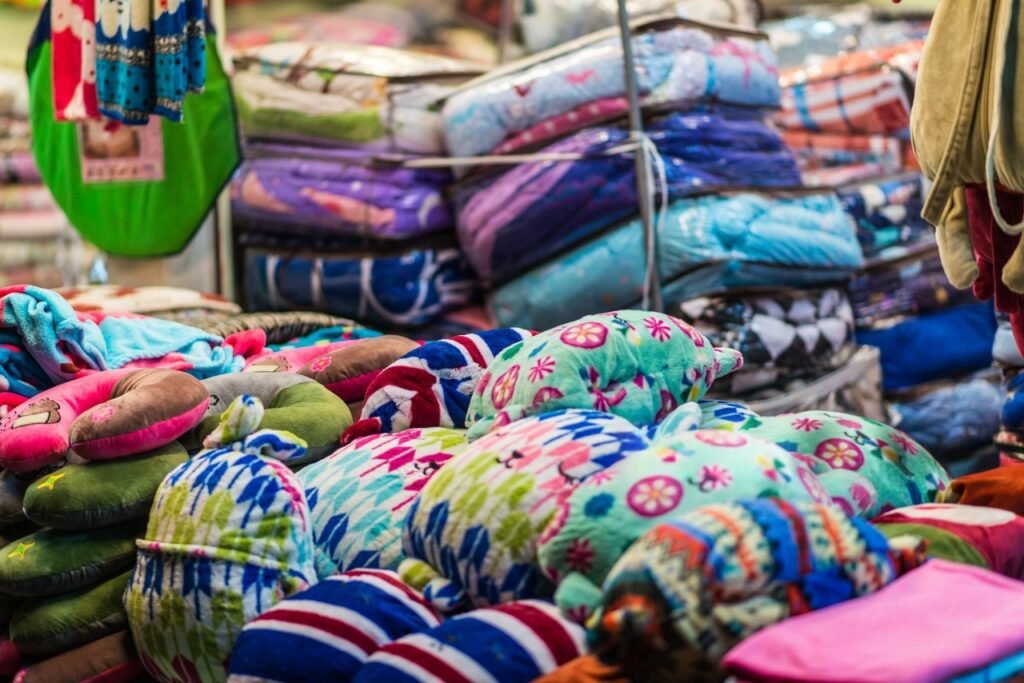
Image Placeholder 1: A brightly lit store display of cheap, colorful microfiber bedding sets, stacked high and labeled with “SALE” and “BEST VALUE” price tags. (Alt Text: A retail display of inexpensive microfiber bedding sets on sale)
That first night was bliss. The sheets were cool and sleek against my skin, like slipping into a luxury hotel. I felt like I’d unlocked some secret of interior design: you didn’t need to spend a fortune to have a gorgeous, comfortable bed. I texted my sister a picture of my “haul” with a smug message: “Who needs expensive sheets? 🛌💰✨”
But the fairy tale was short-lived.
The Second Wash: The First Warning Signs
The first wash went fine. I followed the instructions—cold water, gentle cycle—and everything came out looking pristine. I didn’t think much of it. A week later, it was time for round two. I stripped the bed and tossed the sheets in the machine, a little more carelessly this time. I added a normal amount of detergent and, because I’m a bit of a creature of habit, a splash of fabric softener. I clicked the setting to “Warm/Cotton,” because my mom always said warm water gets things cleaner.
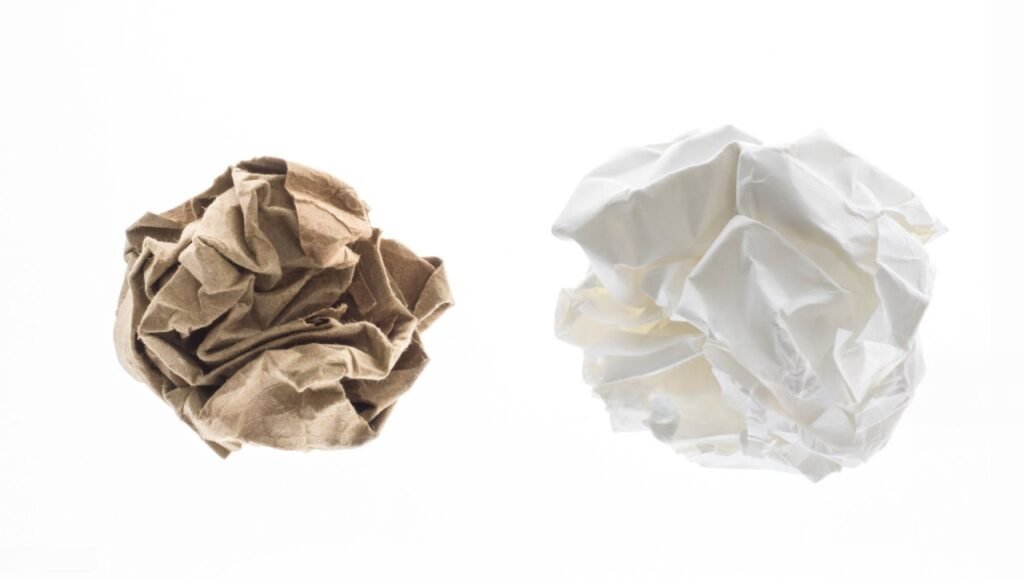
When I pulled them out of the dryer, something was off. The surface didn’t feel quite as smooth. I ran my hand over the fitted sheet, and a faint, rough texture met my fingertips. There were tiny little balls, almost like microscopic grains of sand, scattered across the fabric. My heart sank. I thought maybe I’d accidentally washed it with something that had lint. I brushed it off—literally—and didn’t think much more about it.
The third wash was the dealbreaker.
The Third Wash: The Complete Breakdown
The third wash was the dealbreaker. I did everything “right.” Cold water, gentle cycle. But when I pulled the sheets from the dryer, they were unrecognizable. The once-lustrous surface was covered in a constellation of greyish-white pills. The soft cloud had turned into a scratchy, grainy blanket that felt rough and unpleasant against my skin. It felt like the fabric was shedding its soul. The texture wasn’t just matted; it was actively unpleasant, like a cheap sofa in a waiting room.
I was angry. I’d been duped. My $19.99 bargain was a fleeting pleasure that had given me precisely three good nights of sleep. But the more I researched, the more I realized that my experience wasn’t an anomaly. It was a feature, not a bug, of a system built on cheap, low-quality synthetic materials.
The Science of Pilling: A Fabric’s Slow Death
What I was seeing was a textile phenomenon known as “pilling,” and it’s the Achilles’ heel of cheap microfiber. Microfiber, at its core, is just a fancy marketing word for extremely fine synthetic fibers, typically made of polyester or a polyamide blend . While high-quality microfiber—the kind used in premium cleaning cloths or high-end sportswear—has tightly woven, long fibers, the cheap stuff used in budget bedding is a different beast.
When a manufacturer needs to meet a low price point, corners are cut. They use shorter fibers, cheaper polymers, and less density in the weave . During the washing and drying process, these short fibers break loose. As the sheet tumbles and rubs against itself, the loose fibers tangle together, forming those tiny, unsightly balls of fuzz that ruin the texture and feel of the fabric . This is essentially a breakdown of the fabric’s basic integrity.
One textile expert explains that the durability and longevity of a fabric are directly tied to the integrity of its weave and the density of the fiber . Cheap microfiber simply doesn’t have that density. While some manufacturers use finishing treatments like heat setting or anti-pilling chemicals to try and mitigate this, these are often temporary fixes that wash away after a few cycles . My sheets had been treated to feel soft out of the box, but the treatment was superficial. Once that wore off, I was left with the cheap, shoddy polyester core.
Why We Fall for It: The Psychology of Cheap Comfort
There’s a reason we buy these sheets. They provide a dopamine hit of immediate gratification. They are ridiculously soft when you first touch them, which our brains associate with luxury. A 200-thread-count microfiber sheet can feel softer to the touch than a standard cotton sheet, because the synthetic fibers are thinner and can be brushed to feel silky .
But that softness is a lie. It masks the fact that the material is essentially plastic. It provides instant gratification, but it lacks the staying power of natural fibers. It’s the textile equivalent of a cheap, sugary snack—it tastes good going down, but leaves you feeling hungry and unsatisfied an hour later. The breathability is also poor; it can trap heat and leave you sweating, unlike cotton which wicks away moisture . It’s a “cool” feeling that leads to a “hot” night.
The Hidden Cost: What We Don’t See When We Buy Cheap
Beyond my ruined bedding, there’s a much darker side to this story. The environmental cost of these cheap synthetic sheets is staggering. Every time I washed them—and every time you wash your microfiber sheets—they shed thousands, even millions, of microscopic plastic fibers. These are microplastics, and they go straight from our washing machines into our waterways.
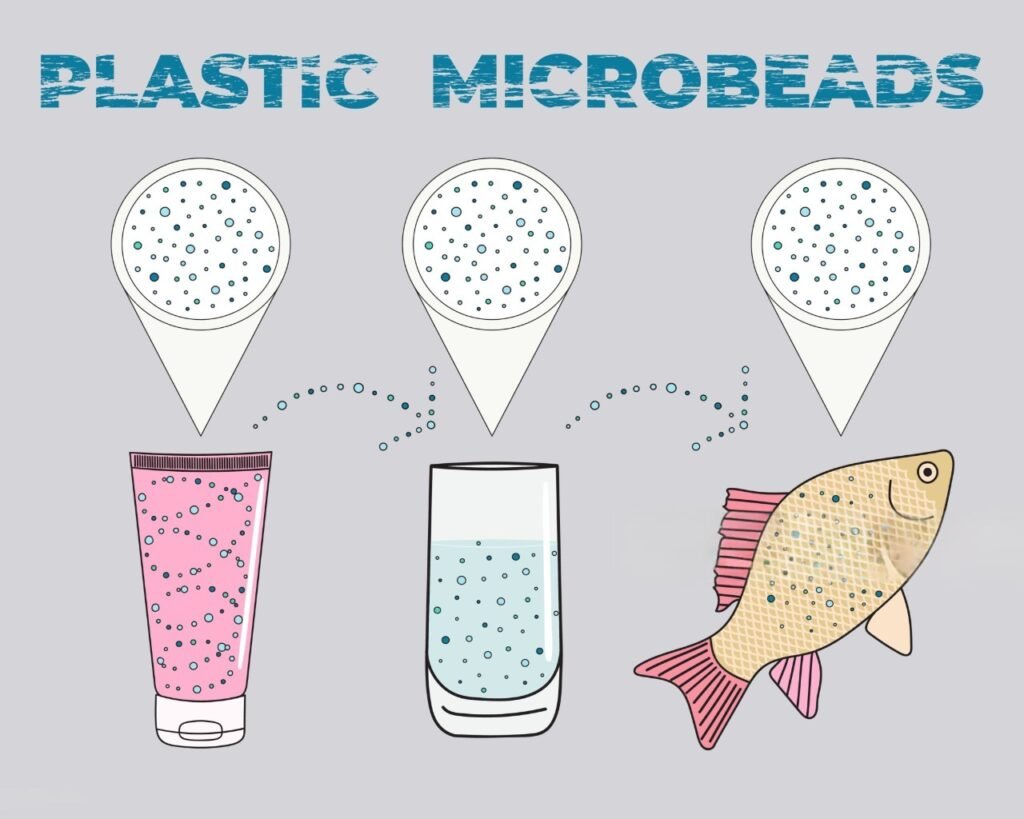
These particles are so small that they bypass most water filtration systems and end up in rivers, lakes, and eventually the ocean. Fish and other marine life consume them, and the plastics work their way up the food chain—including into our own diets and bodies . Microplastics have even been found in human blood and deep lung tissue .
Even more alarming, recent studies are flipping the script on what we think is “eco-friendly.” While we might assume plant-based fabrics like bamboo are better, research on earthworms found that microfibers from plant-based materials like viscose and lyocell can actually be more toxic to soil life than traditional polyester microfibers . This means that “sustainable” alternatives are not inherently safer for the environment. As one researcher noted, focusing solely on plastic as a harmful material isn’t enough—the alternatives also have ecological consequences . The “green” washing of our textiles is just as misleading as the softness of my cheap sheets.
The Dust Mite Trap
There is one more hidden downside to microfiber, and it’s a particularly unpleasant one. Because the fabric is synthetic, it doesn’t breathe. It traps heat and moisture. While this might make you sweat, more importantly, it creates the perfect environment for dust mites, which thrive in warm, humid conditions. Cotton, with its natural breathability, is far less hospitable to these pests . So, while my cheap sheets were perfect for dust mites, they were far from perfect for me.
How to Break the Cycle
I threw those sheets away. I didn’t donate them. I didn’t want anyone else to suffer that grainy, frustrating feeling.
Now, I look for quality rather than price. I check the label for 100% cotton, and I pay attention to the weave and the fiber length, not just a thread count number . The “buy cheap, buy twice” adage has never felt more true.
How to Avoid My Mistake
1. Understand the Label. The term “microfiber” is a red flag on bedding if you care about longevity. Look for fabric composition: 100% cotton, linen, or a natural blend is often a safer bet for durability .
2. The Fabric Test. Rub your hand over the fabric to create friction. If it pills easily or loses its smoothness from just a few rubs, it will not last through multiple washes .
3. Prioritize Durability. For hotels and high-traffic use, brands often specify that a high-density fabric is engineered for durability. For your home, this means looking for a tight weave and high denier (fiber thickness), which resists pilling and tearing .
In Conclusion: Price vs. Value
My $19.99 sheets cost me more than money. They cost me time, frustration, and a contribution to the plastic crisis. They represented a loss of value.
So, here’s the bottom line: next time you’re tempted by that impossibly cheap, soft bedding, run your hand over it one more time. Then, walk away. Your skin, your sleep, and the planet will thank you.
Frequently Asked Questions (FAQs)
Q: My microfiber sheets are already pilling. Is there any way to fix them?
A: Unfortunately, pilling is usually permanent. You can use a fabric shaver (also called a depiller) to remove the pills from the surface temporarily, but the damage is to the integrity of the fabric itself, and more pills will appear quickly. It’s a sign of low-quality fiber breakdown .
Q: I have sensitive skin. Are microfiber sheets safe for me?
A: It depends. While microfiber is naturally hypoallergenic and resists dust mites, it can trap heat and moisture, potentially causing irritation for some sleepers . Furthermore, cheap microfiber can have a rough, “plasticky” feel after a few washes, which might be uncomfortable for sensitive skin. If you have sensitivities, 100% cotton is a safer, more breathable bet .
Q: What is the best material for sheets to avoid pilling completely?
A: High-quality 100% cotton with long-staple fibers like Egyptian or Pima cotton is your best bet. These have a tight weave that resists friction damage and lasts for years. Cotton is a classic for a reason: it breathes, washes well, and gets softer with age .