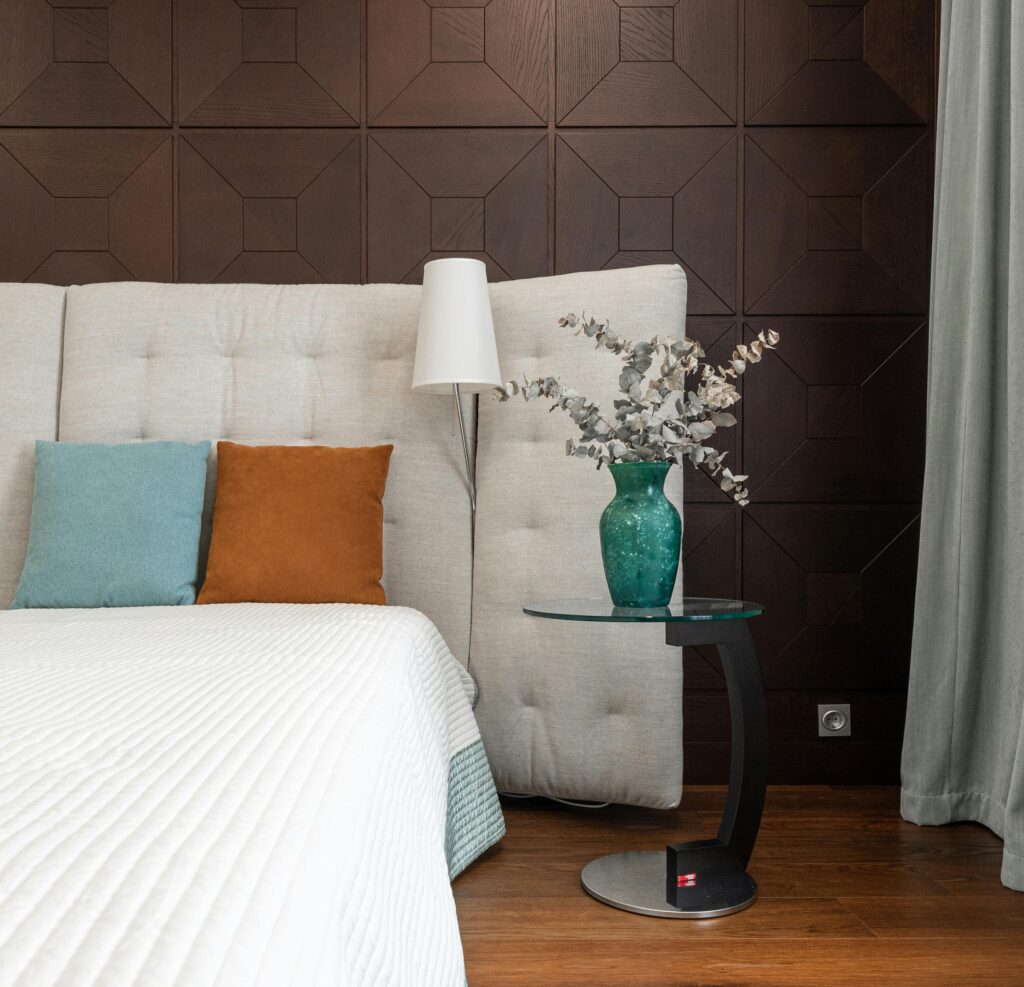
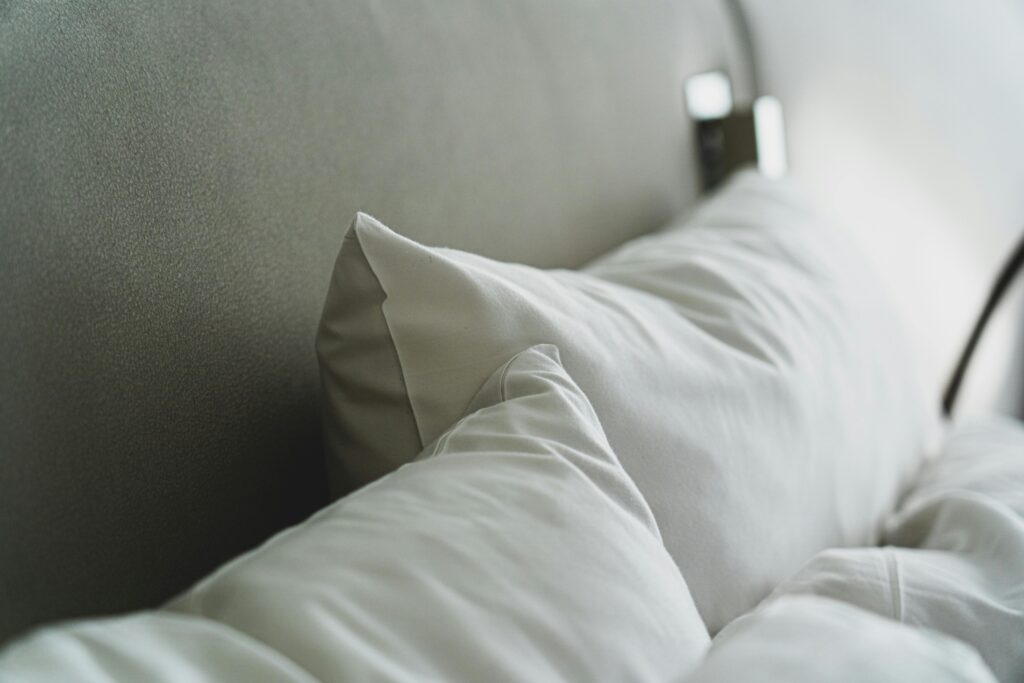
White sheets look clean, crisp, and hotel-like in every photo — right up until the first coffee spill, makeup smudge, or pet hair makes it obvious why white is also the hardest color to actually keep looking clean. If you’re tired of bleaching stains out every other week, the color you choose matters more than most people realize before buying.
Why Color Affects How “Clean” Sheets Look
This isn’t really about which color resists stains chemically — fabric absorbs spills the same way regardless of color. It’s about visibility. Darker and more muted tones simply hide the evidence of everyday use (dust, light stains, pet hair, body oils) far better than very light or very dark solid colors, both of which show marks more obviously for different reasons.
Ranked: Best to Worst for Hiding Stains
1. Medium Gray The most forgiving color overall. Light enough that it doesn’t show dust and pet hair the way true black does, dark enough that coffee spills, light stains, and body oil marks don’t stand out the way they would on white or pastel shades.
2. Taupe / Warm Beige A close second to gray. The slightly warm, muddy undertone naturally camouflages everyday marks, and it photographs well without looking as stark as pure white.
3. Navy or Dark Blue Excellent at hiding stains, though it shows dust, lint, and pet hair more than gray does, especially in bright daylight. Great choice if you don’t have pets or live somewhere less dusty.
4. Deep Green or Olive Similar performance to navy — strong at hiding spills and discoloration, slightly more visible dust and hair, depending on your flooring and pet situation.
5. Patterned or Printed Sheets Not a solid color, but worth mentioning: busy patterns are genuinely excellent at disguising stains, since the eye has no single flat surface to notice a mark against. The tradeoff is a less minimalist, more decorative look.
6. Black Hides liquid stains exceptionally well, but shows dust, lint, pet hair, and even water spots far more than people expect, especially in daylight. Works best in low-light bedrooms with frequent vacuuming/lint-rolling.
7. Light Pastels (Pale Pink, Baby Blue, Mint) Better than white, but still show stains and yellowing over time more than mid-tones do, particularly after repeated washing.
8. White The least forgiving. Every spill, every bit of makeup transfer, every light stain shows immediately — which is exactly why white sheets look amazing in photos of freshly made beds and noticeably less amazing a few weeks into regular use.
It’s Not Just About Spills
Beyond obvious stains, consider what else shows on your specific sheet color:
- Pet hair — shows most on black and navy, least on gray and taupe
- Dust — shows most on very dark solids, least on medium tones
- Yellowing from body oils over time — shows most on white and light pastels, far less noticeable on anything mid-tone or darker
- Makeup and skincare product transfer — a real issue for lighter colors, especially around pillowcases
Does Fabric Type Change This?
Slightly. Sateen’s smoother, slightly glossy finish tends to show water spots and stains a bit more than percale’s matte texture, regardless of color. If you’re choosing a lighter color specifically to try to minimize stain visibility, percale is the better-performing weave for that goal.
What About Resale or Rental Properties
If you’re outfitting a rental or a space where sheets need to look presentable to many different guests over time with minimal maintenance, medium gray or taupe solid colors consistently perform best — they photograph reasonably well while still hiding the realities of frequent use far better than white does.
Frequently Asked Questions
Do darker sheets fade faster than light ones? Generally yes, especially with frequent hot-water washing or direct sunlight exposure, since dye breakdown is more visible on dark colors than on light ones.
Is gray too plain for a bedroom? Not necessarily — gray pairs easily with almost any decor style and accent color, which is part of why it’s a popular practical choice beyond just stain-hiding.
Can I bleach colored sheets if they do stain? No, standard bleach will damage or remove color from dyed sheets. Oxygen-based, color-safe stain removers are the safer option for colored bedding.
Do patterned sheets stain less, or just show it less? They stain the same amount — the pattern simply disguises it visually, which is a cosmetic solution rather than an actual stain-resistance difference.
The Bottom Line
If low-maintenance, stain-forgiving sheets matter more to you than an all-white, hotel-style look, medium gray and taupe are the most practical colors available. White will always look the cleanest on day one and require the most upkeep to keep looking that way. Our Premium Cotton and Poly Cotton collections come in a range of these practical tones, so you don’t have to choose between a color you like and sheets that still look decent a month in.