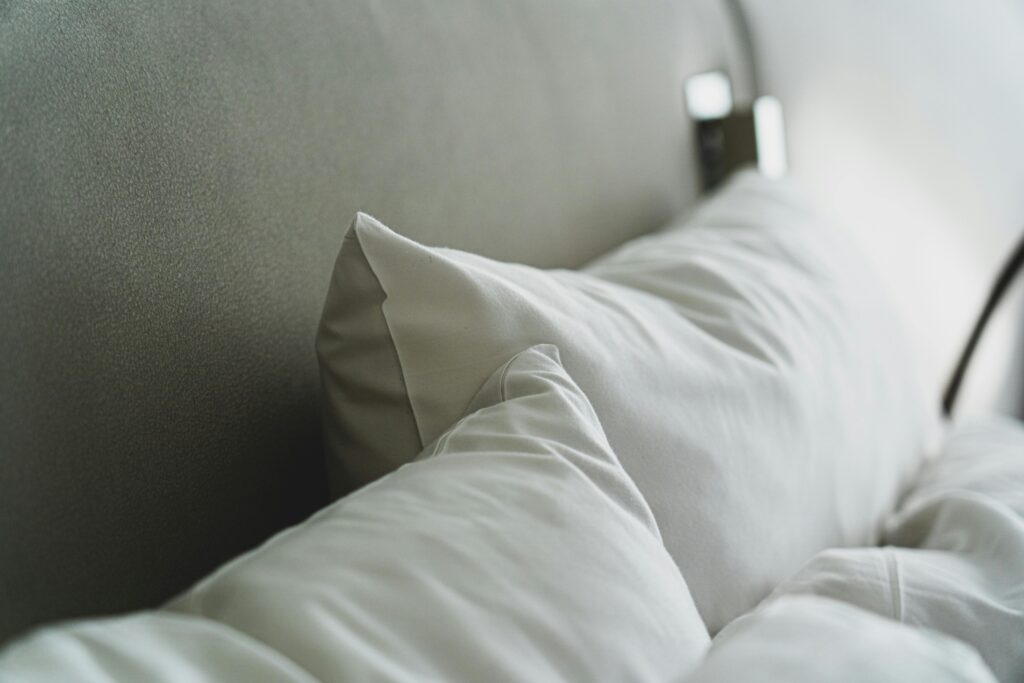
Some nights stay with you for strange reasons. Not because something dramatic happened, but because of a small thought that refused to leave your mind. For Ayesha, it was one of those ordinary nights. The kind where the house is quiet, the lights are off, and your brain suddenly decides it’s the perfect time to overthink everything.
She had washed her face carefully, applied her usual moisturizer, and tied her hair back before bed. Still, when she leaned closer to the mirror earlier that evening, she noticed it again. A fresh breakout, right along her jawline. Not painful, not huge, but noticeable enough to ruin her mood. She sighed, switched off the light, and crawled into bed, pressing her cheek into the pillow like she always did.
That’s when the thought came. What if it wasn’t her skincare? What if it wasn’t stress, hormones, or late-night chai? What if the problem was something she never questioned at all — the bed she slept on every single night?
It sounds like a strange idea at first. Bed sheets are supposed to be comforting, clean, harmless. They smell like detergent and feel soft against the skin. We associate them with rest, not breakouts. Yet the more Ayesha thought about it, the more the idea made sense. After all, her skin spent nearly a third of her life pressed against those sheets. Surely that had to count for something.
Most of us grow up hearing that acne happens because your face is dirty or because you eat the wrong foods. If you break out, someone will eventually tell you to “wash your face properly” or “stop eating oily food.” What rarely comes up in these conversations is the environment your skin lives in — especially at night, when it’s supposed to recover and heal.
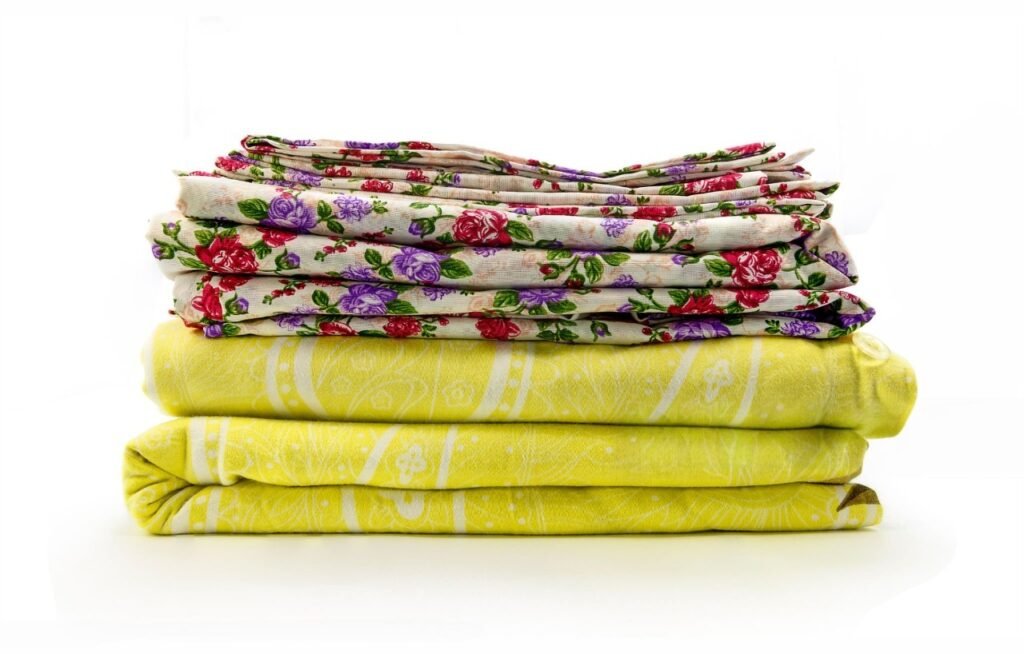
Your skin doesn’t switch off when you go to sleep. In fact, it becomes more active. While you’re resting, your body works on repair mode. Skin cells regenerate, inflammation calms down, and tiny damages from the day begin to heal. But this repair work happens in whatever environment you give your skin. And that environment includes your pillowcase, your bedsheet, and the fabric wrapped around your body for hours.
Think about a regular day. Your skin collects oil, sweat, dust, sunscreen, makeup, and pollution. Even if you cleanse properly before bed, traces of these things remain. Now add natural oil production during sleep, light sweating, and warmth from blankets. All of that transfers onto your sheets. Night after night, layer after layer, your bedding becomes a quiet storage place for everything your skin lets go of.
This is where fabric starts to matter.
Different materials behave differently against the skin. Some allow air to pass through, helping moisture evaporate. Others trap heat and sweat, creating a warm, slightly damp environment. Bacteria love that kind of environment. And when bacteria mix with oil and clogged pores, acne doesn’t take long to show up.
Cotton is often considered the safest option, and for many people, it truly is. It’s natural, breathable, and generally gentle. When Ayesha switched to simple cotton sheets, she noticed something small but important. She didn’t wake up feeling sticky or overheated anymore. Her skin felt calmer, less irritated. It wasn’t a miracle cure, but it was a step in the right direction.

Still, cotton isn’t perfect for everyone. Lower-quality cotton can be rough, especially after multiple washes. Rough fabric increases friction, and friction irritates the skin. If you move a lot in your sleep, that constant rubbing can weaken the skin barrier, making it easier for pores to become inflamed.
Then there are synthetic fabrics — polyester, microfiber, and blended materials that promise wrinkle-free convenience and hotel-like shine. They look good, they’re affordable, and they last a long time. But many of them don’t breathe well. Heat gets trapped. Sweat has nowhere to go. Your skin stays warm and damp longer than it should. For acne-prone skin, that’s a recipe for trouble.
Ayesha remembered a bedsheet set she once loved because it looked luxurious and smooth. It felt cool at first but strangely warm by morning. During those weeks, her breakouts were worse, especially on her cheeks and neck. At the time, she blamed stress. Now she wasn’t so sure.
Silk and satin often get special attention in skincare conversations. They’re smooth, gentle, and create less friction. This can be helpful for people with sensitive skin or active breakouts. Less rubbing means less irritation. However, these fabrics have their own downsides. Silk is natural but expensive and delicate. Satin is often synthetic, even if it feels luxurious.
Both fabrics absorb oil differently than cotton. If you use night creams, face oils, or hair serums, those products don’t just disappear into the air. They soak into your pillowcase. Without frequent washing, they transfer right back onto your skin the next night. Over time, this buildup can clog pores just as much as any heavy skincare product.
Cleanliness plays a bigger role than most people want to admit. Many households wash bedsheets once every one or two weeks. Some even longer. Sheets don’t look dirty, so it’s easy to forget. But your skin knows the difference.
Dead skin cells shed constantly. Oil builds up quietly. Bacteria multiply without being seen. For someone with acne-prone skin, sleeping on the same pillowcase for ten or fourteen nights can mean repeated exposure to the same pore-clogging mix.

When Ayesha started changing her pillowcase every three to four days, she didn’t expect much. It felt almost too simple to matter. But within a few weeks, she noticed fewer breakouts along her jawline. The improvement wasn’t dramatic, but it was steady. And steady improvement is often the most realistic kind.
Laundry detergent is another hidden factor. Strong fragrances, harsh chemicals, and heavy softeners can leave residue on fabric even after washing. Sensitive skin reacts to this more than we realize. Redness, tiny bumps, and irritation often get mistaken for acne, leading people to use stronger treatments that only make things worse.
Sleeping position also quietly influences breakouts. Side sleepers and stomach sleepers press their faces directly into pillowcases for hours. That pressure, combined with friction and heat, increases the chance of clogged pores. Back sleepers avoid some of this facial contact, though body acne can still be affected by sheets and blankets.
Hair products deserve their own mention. Oils, creams, leave-in conditioners, and sprays don’t stay neatly in your hair. They transfer onto pillowcases and sheets, especially near the hairline and shoulders. Many of these products are pore-clogging. When your skin repeatedly touches those areas, breakouts along the forehead, neck, and back become more likely.
Climate adds another layer. In hot and humid weather, sweating during sleep is almost unavoidable. In cooler seasons, heavy blankets can still trap heat. In both cases, breathable fabric helps regulate temperature and reduce moisture buildup. Non-breathable fabric does the opposite.

It’s important to be honest here. Bed sheets alone do not magically cause acne. Acne is complex. Hormones, genetics, stress, diet, and skincare all play roles. But bed sheets are part of the environment your skin lives in. For some people, they are the small but constant trigger that keeps breakouts coming back.
What makes this topic so human is how easy it is to overlook. We search for solutions in bottles, treatments, and routines, while ignoring the everyday things we already own. Bed sheets don’t promise instant results. They don’t come with bold claims. They just quietly exist in your life, night after night, influencing your skin in ways you don’t notice until you finally do.
Ayesha still gets pimples sometimes. That hasn’t changed completely. But her skin feels more balanced now. Less angry. Less unpredictable. She learned that caring for her skin wasn’t about fighting it, but about supporting it — even in the simplest ways.
Every night, when she smooths her clean sheets and turns off the light, she feels a small sense of control. Not perfection. Just awareness. And sometimes, that’s enough.
Because your bed sheets are not just fabric. They are part of your routine, part of your environment, part of the long conversation you have with your body every single day. When you start paying attention to that conversation, your skin often responds — slowly, quietly, and very humanly.