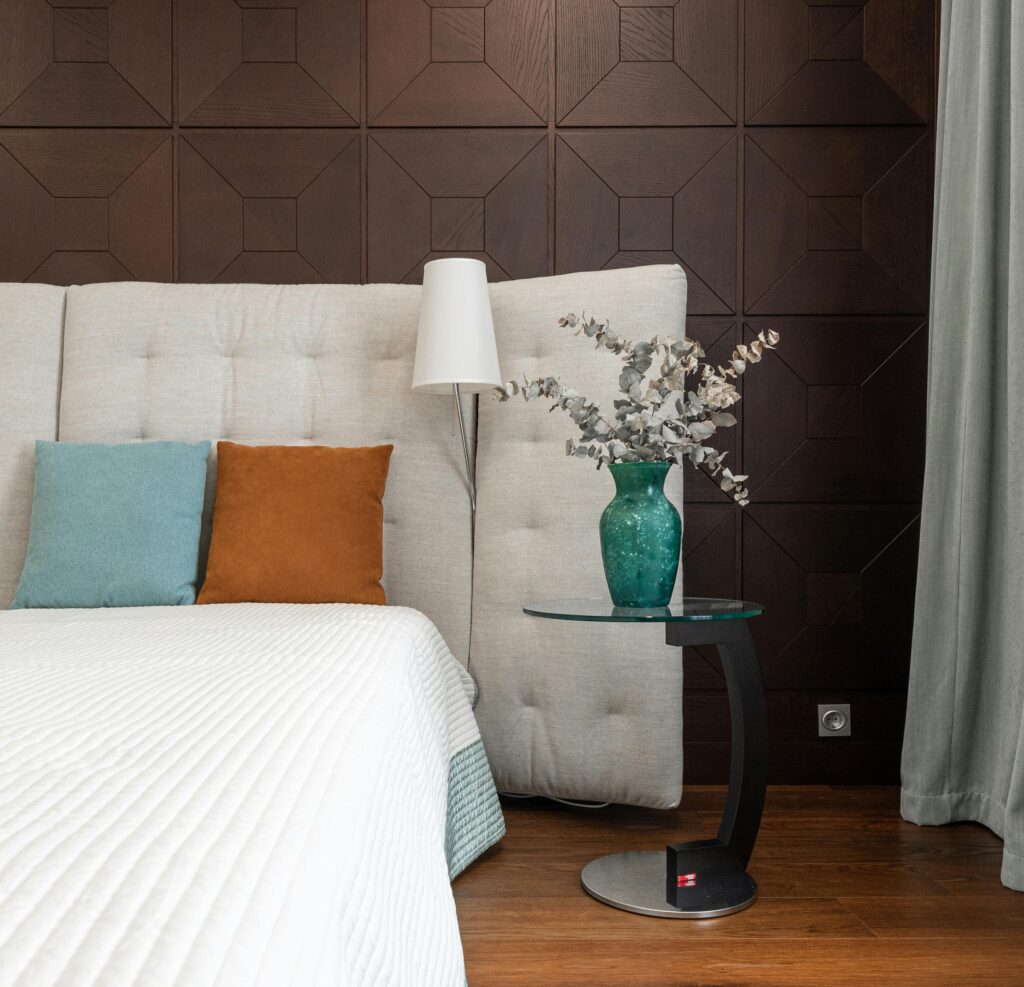
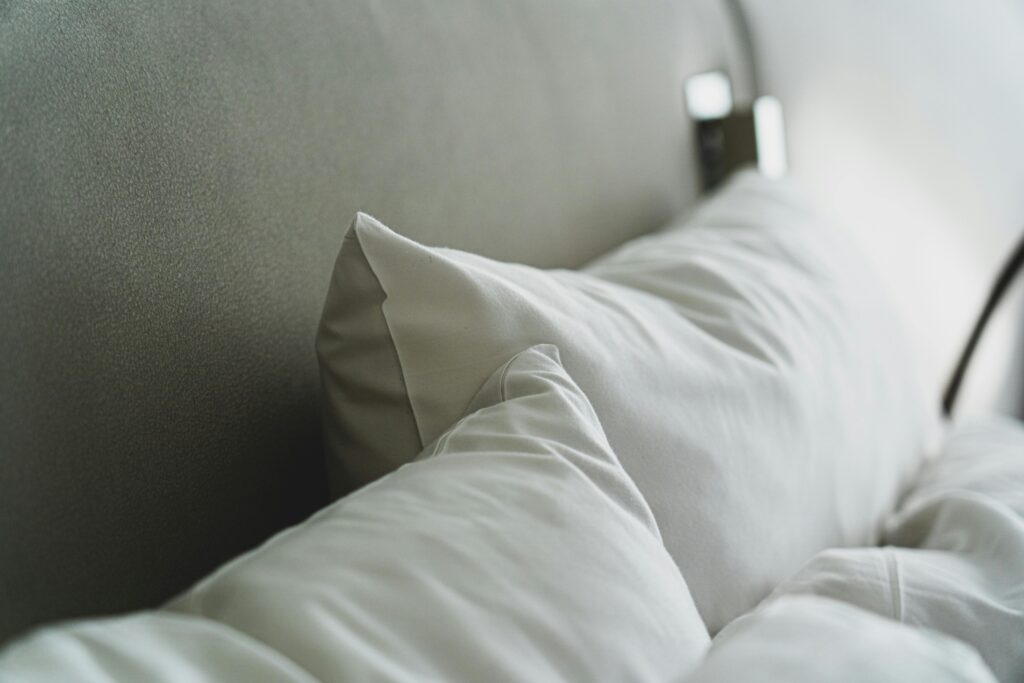
It started, as it often does, with a sneeze.
Not a delicate, charming little achoo, but a violent, triple-explosion that felt like it started in my toes and rattled my entire skull. It was 2:37 AM. My nose was a dripping faucet, my eyes felt like they were lined with sand, and my throat was scratchy and raw. I fumbled in the dark for the tissue box on my nightstand, already knowing it was empty. This was the third time this week.
I’d been through the drill. I’d seen an allergist, who, after a battery of tests that left my back looking like a patchwork quilt, declared me officially allergic to dust mites. “Very common,” he’d said, handing me a pamphlet with all the warmth of a man reading from a manual. “You’ll want to focus on your bedroom. Especially your bedding.”
My bedding. I looked at my bed, a puffy, inviting cloud of a thing. I loved my bed. It was my sanctuary, piled high with a down comforter and a small mountain of synthetic pillows I’d collected over the years. The mattress was a plush pillow-top, a hand-me-down from my aunt that had always felt so luxurious. Now, I saw it for what it was, according to the pamphlet: a five-star hotel for microscopic critters. A paradise of dead skin cells and moisture. The comforter was a feather-filled allergen trap, and the pillows were probably ticking time bombs.
That night, after the 2:37 AM sneeze-attack, I made a decision. I was declaring war. This wasn’t just about buying a “hypoallergenic” pillow from the pharmacy aisle. This was a full-scale mission to reclaim my sleep, my sanity, and my sinuses. I was going to become an expert on the best bedding for people with allergies. This is the story of that journey—a deep dive into the world of fabrics, fills, and weaves, all in the pursuit of a single, blissful, uninterrupted night of rest.
The Enemy: Meet the Dust Mite
My first step was to understand what I was fighting. I couldn’t just wage war on a vague notion of “dust.” I needed to know my enemy. And so, I fell down a rabbit hole of scientific papers and allergy foundation websites, emerging with a newfound, shuddering respect for Dermatophagoides pteronyssinus—the common dust mite.
These aren’t bugs you can see; they are microscopic arachnids, relatives of spiders and ticks, but so small that a handful of dust can contain thousands of them. They don’t bite or burrow. They are, in their own way, rather mundane. Their entire mission in life is to eat the dead skin cells we shed constantly. And we shed a lot—enough to feed millions of them.
The problem isn’t the mite itself, but its waste. Their fecal pellets contain a protein that is a potent allergen for many of us. When you fluff your pillow, roll over in bed, or make your sheets in the morning, you’re sending a cloud of these microscopic particles into the air, where you then inhale them. Your body, in a case of mistaken identity, launches a full-scale immune response. Cue the sneezing, the congestion, the itchy eyes, and the sleepless nights.
They thrive in warm, humid, dark environments. Ideal temperature? 68-77°F. Ideal humidity? 70-80%. In other words, the exact conditions we create inside our beds, with our body heat and moisture, night after night. My beloved pillow-top mattress and down comforter were providing a deep, plush, and impossibly comfortable ecosystem for them to multiply. I felt a profound sense of betrayal.
The allergist’s pamphlet had a list of quick tips: wash bedding in hot water, reduce humidity, vacuum regularly. But it felt superficial. I knew that to truly win this war, I had to start from the ground up. I had to build a bed that was a fortress, not a feeding ground.

The First Line of Defense: The Mite-Proof Encasement
Every general knows you must secure your fort before you can fight the battle. In the war against dust mites, the mattress and pillows are the fort. No matter how clean your sheets are, if you’re sleeping on a mattress and pillows that are already infested, you’re losing.
The solution is a barrier. An impermeable shield. This is where my quest for the perfect bedding began: with allergen-proof encasements.
I quickly learned that not all encasements are created equal. I bought a cheap, vinyl-covered one from a discount store first. The moment I took it out of the package, the loud, crinkly sound filled the bedroom. It felt like I was wrapping my mattress in a cheap rain poncho. The thought of sleeping on that plastic cacophony every night was unbearable. It might keep the mites in, but it would also surely drive me insane.
Back to the drawing board. I needed something that was a barrier, but also breathable and quiet. This led me to the world of fabrics with extremely tight weaves. The gold standard, I discovered, is a fabric using microfiber technology with a pore size of less than 10 microns. A dust mite is about 100-300 microns long, and its allergenic waste particles are about 10-20 microns. A fabric with pores smaller than 10 microns is physically impossible for the mites and their waste to penetrate. It’s like a screen door so fine, not even air can get through—but it’s engineered to be breathable for moisture vapor.
I invested in a high-quality encasement set for my mattress, box spring, and all my pillows. The material was soft, quiet, and surprisingly stretchy, with a zip-up closure that felt secure. Slipping it over my mattress felt like a symbolic act. I was sealing in the past, the years of accumulated allergens, and creating a clean slate. This single purchase, more than any other, felt like the most strategic move I had made. It was the foundation upon which I would build my hypoallergenic haven.

The Daily Layer: The Search for the Perfect Sheets
With my fortress secured, it was time to talk about the layers that would come into direct contact with my skin every night. My old sheets were a mix of cheap polyester blends and decent but worn cotton. I needed sheets that were not only comfortable but easy to clean in a way that would kill mites.
The rule is simple, yet brutal for those who love luxury: wash your bedding weekly in hot water, at least 130°F (55°C). This is the temperature required to kill dust mites. My usual lukewarm, gentle cycles were nothing but a relaxing spa day for them.
This requirement immediately disqualified a lot of my favorite sheets. Delicate silks, certain wools, and anything that would shrink or be damaged by high heat were out. I needed a workhorse fabric.
Cotton was the obvious starting point. But cotton is a vast kingdom. I learned about thread count, and more importantly, I learned that a high thread count isn’t the be-all and end-all. A 1000-thread-count sheet woven from short, low-quality fibers can be less breathable and can trap more moisture and allergens than a well-woven, long-staple cotton with a lower thread count.
The best options, I found, were percale weaves made of long-staple cotton, like Egyptian or Pima. Percale has a tight, crisp, matte finish and is incredibly breathable. It doesn’t trap heat, which is good for keeping the sleeping environment less mite-friendly. More importantly, these high-quality cottons can withstand frequent hot washing and even get softer over time.
But then I discovered a contender I hadn’t expected: Tencel™ Lyocell. Made from sustainably sourced wood pulp, Tencel is a dream fabric for allergy sufferers. The fibers are exceptionally smooth, which means they don’t trap dust and debris as easily as rougher textiles. They are also more absorbent than cotton, wicking moisture away from the body quickly. This creates a less humid, and therefore less hospitable, environment for dust mites. It’s also naturally antibacterial, which helps with overall hygiene. I ordered a set in a calming, earthy green, and the first night I slept on them was a revelation. They were cool, unbelievably smooth, and felt sinfully luxurious for something so practical.
The Pillow Paradox: Filling the Void
Pillows are the epicenter of the allergy battle. Your face is buried in them for hours, breathing in whatever they release. My collection of synthetic pillows had to go. They were old, likely filled with their own ecosystem of mites and mold, and provided no support.
I needed new pillows, and the choice of fill was critical.
- Down/Feathers:An immediate and absolute no. As much as I loved their squishy comfort, they are a prime allergen habitat. They are also notoriously difficult to clean effectively at home.
- Synthetic Polyester:This is the standard “hypoallergenic” option. It’s inherently resistant to dust mites because it’s a man-made fiber that doesn’t provide a food source. It’s also washable. However, not all synthetics are equal. Cheap polyester clusters can break down quickly, clump, and lose support. I looked for high-quality, gel-infused or shredded memory foam alternatives that offered better support and cooling properties.
- Memory Foam:Most solid memory foam pillows are inherently hypoallergenic and dust-mite resistant. However, they can sometimes retain body heat, and they aren’t always machine-washable. The shredded memory foam variety offered a nice compromise, with good airflow and moldability.
- Latex:This became my dark horse candidate. Made from the sap of rubber trees, natural latex is naturally antimicrobial, dust-mite resistant, and mold-resistant. It’s also supportive, responsive, and incredibly durable. It has a distinct, slightly bouncy feel and a natural rubber smell that some people dislike, but it dissipates over time.
In the end, I didn’t choose one. I became a pillow connoisseur. I bought a supportive, shredded memory foam pillow for sleeping on my side. I got a thinner, softer latex pillow for when I wanted to read. Each one was immediately sealed in its own allergen-proof encasement, and then dressed in a standard pillowcase. This two-layer system—encasement plus pillowcase—felt like maximum security for my head.

The Weight of Comfort: Duvets and Comforters
My down comforter was the hardest thing to let go of. It was a gift, and it represented a certain kind of cozy, nest-like comfort. But it was also the single biggest allergen reservoir in my room. I bagged it up and donated it, feeling a pang of guilt.
I needed a new top layer, and the criteria were similar to the pillows: hypoallergenic fill, and ideally, machine-washable.
I explored three main paths:
- The Synthetic Duvet:I bought a well-reviewed hypoallergenic duvet filled with a sophisticated microfiber. It was light, fluffy, and surprisingly warm. The best part? The entire thing could be tossed into my washing machine and put through a hot cycle. This felt like the ultimate power move. I could literally boil my comforter clean every few weeks. While it didn’t have the same lofty, luxurious drape as my old down comforter, the trade-off for breathable, washable peace of mind was more than worth it.
- The Wool Comforter:I was skeptical. Wool? Isn’t that itchy? I learned that high-quality, Merino wool comforters are nothing like a wool sweater. The fibers are finely woven and contained within a cotton shell, so they don’t touch your skin. Wool is a miracle fiber for sleep: it’s temperature-regulating, wicking moisture away in the heat and providing warmth in the cold. Critically, it is also naturally resistant to dust mites, mold, and mildew because it can absorb up to 30% of its weight in moisture without feeling damp, keeping the sleep surface dry.
- The Cotton Matelassé or Quilt:For warmer months, I fell in love with a simple, beautiful cotton quilt. A matelassé is a thick, quilted cotton blanket, often with a raised pattern. It provided just enough weight and warmth for spring and summer nights, and like my sheets, it could withstand weekly hot-water washes. It became my go-to for its simplicity and effortless style.
I ended up with a system: the synthetic duvet for the heart of winter, and the wool comforter and cotton quilt for the shoulder seasons. Rotating them based on the weather kept things fresh and ensured everything got washed regularly.

The Final Frontier: Blankets and Throws
What about the decorative throw at the end of the bed? The extra blanket for particularly cold nights? These, I realized, were hidden culprits. They were washed infrequently, if ever, and provided additional real estate for dust and mites.
I adopted a new policy: if it’s on the bed, it must be washable. I found a beautiful, chunky-knit throw made not of wool, but of a cleverly textured cotton chenille. It looked every bit as cozy as a wool throw but could be machine-washed. My spare blankets were now all lightweight cotton or washable acrylics, stored in a sealed vacuum bag when not in use.
The Ritual of Maintenance: Beyond the Bedding
Buying the right bedding was only half the battle. The other half was the relentless, unglamorous ritual of maintenance. My new routine was military in its precision:
- Weekly Hot Wash:Every Saturday morning, without fail, the sheets, pillowcases, and any blankets in use go into the washing machine on the sanitize cycle.
- Bi-Weekly Pillow/Duvet Wash:The synthetic duvet and any washable pillows get rotated in every other week.
- Vacuuming:I invested in a vacuum cleaner with a HEPA filter. Once a week, I vacuum the floor, but crucially, I also vacuum the top of my mattress encasement and the box spring. This picks up any surface allergens that have settled.
- No-Makeup Rule:I never, ever get into my bed with the clothes I’ve worn outside. This seemed extreme at first, but it dramatically reduces the amount of pollen, dirt, and external allergens brought into the sanctuary.
- Dehumidifier:I run a small dehumidifier in my bedroom, especially during the humid summer months, to keep the humidity level below 50%—a level at which dust mites struggle to survive.
The Morning After the War
It’s been six months since I started this journey. I’m writing this now, propped up in my bed, surrounded by my Tencel sheets, my encased latex pillow, and my washable duvet.
The change wasn’t instantaneous. It took a few weeks for the residual allergens in the room to settle and for my body to calm down. But then, one morning, I woke up and realized something was different. The sun was streaming through the window. I took a deep, clear breath through my nose. No congestion. No sneezing. No itchy, gritty feeling in my eyes.
I had slept through the night.
The quest for the best bedding for allergies wasn’t just about buying products. It was a lesson in taking control of my environment. It was about understanding that the place I retreat to for rest shouldn’t be a source of distress. The journey taught me to read labels, to understand materials, and to prioritize function without completely sacrificing form and comfort.
My bed is still my sanctuary. But now, it’s a clean, breathable, and truly healthy sanctuary. It’s a place of peace, not a battlefield. And the only thing I want to be fighting there now is the temptation to hit the snooze button.