Discover why flannel bedding is making a major comeback. This guide weaves history, warmth, and modern style into a story of ultimate winter comfort. Plan your cozy sanctuary.
Why it works: Uses narrative language (“weaves a story”), highlights key themes (history, comfort, style), and includes the call-to-action from the title.
The frost hadn’t even settled on the pumpkin, but the morning air carried that distinct, crisp whisper of change. I found myself, coffee in hand, staring blankly into my linen closet. The lightweight percale sheets, perfect for summer breezes, suddenly looked insubstantial, even cold. It was a primal, almost ancestral pull—a deep-seated need for warmth, for a tactile sense of shelter. And then my fingers brushed against it, tucked away in the back: a bundle of fabric, soft yet substantial, in a faded check pattern. My old flannel sheets. Unfolding them released a scent—a faint memory of woodsmoke and cedar from storage, and something else, something deeply comforting. It was, I realized, the smell of winter coming home.
This wasn’t just about swapping out bedding. This was the beginning of The Comeback of Flannel: Your Guide to Cozy Winter Bedding. And trust me, this is a comeback story worth planning ahead for.
Flannel, you see, had become the quiet, reliable character in the story of our lives that we’d briefly forgotten. We’d been dazzled by high-thread-count sateens and cooling-tech linens (and they have their place), but flannel waited patiently. It knew its turn would come again. Because flannel understands something fundamental: winter is not just a season to endure, but a realm to inhabit, to savor. It is the textile equivalent of a slow-burning hearth, a warm mug cradled in both hands, the profound comfort of weight and warmth as the world outside turns crystalline and still.
But let’s rewind the story. To understand this cozy comeback, we have to step into the misty hills of 17th century Wales. The word “flannel” is believed to derive from the Welsh gwlanen, meaning “woolen article.” This was no fabric of luxury, but one of sheer, pragmatic survival. Shepherds and farmers wore it to fend off the relentless damp and cold. It was rugged, fibrous, and unpretentious. Its superpower? Nap. That magical process of brushing the woven fabric to raise countless tiny, soft fibers. These loops of fuzz trap warm air, creating an insulating layer that is flannel’s signature. This wasn’t about aesthetics; it was about physics. It was about creating a microclimate of warmth against the skin.
The fabric traversed oceans and centuries, finding a spiritual home in the hardscrabble lives of North American loggers, railroad workers, and pioneers. The iconic plaid flannel shirt, often in Buffalo Check, became a uniform of resilience. It was tough, it was warm, and it could take a beating. It whispered of manual labor, of forests, of self-reliance. But how did it journey from the lumberyard to the bedroom?
That shift is a story of domestic alchemy. Someone, perhaps a pragmatic farmer’s wife or a cold New Englander, looked at that warm, durable shirt fabric and thought, “What if we slept in it?” The transition from flannel clothing to flannel bedding was a stroke of genius. It brought that same rugged, dependable warmth into the most intimate of spaces—the bed. For generations, it became the non-negotiable winter standard. My own grandmother would no more have put lightweight cotton on a bed in December than she would have served iced tea. Flannel sheets were as much a part of winter as storm windows and hearty stews.
Then, for a time, flannel fell out of the narrative. The late 20th and early 21st centuries became obsessed with sleekness, with a kind of hotel-luxe minimalism. High-thread-count, glossy sheets were the status symbol. Flannel was sometimes unfairly cast as “scratchy,” “old-fashioned,” or fit only for ski cabins. It became a nostalgic footnote, the stuff of childhood pajamas and perhaps a inherited blanket box.
But stories have arcs, and comfort is a timeless theme. Our recent collective experiences—years that asked more of us, that made us seek sanctuary in our homes—ignited a yearning for authentic, tactile comfort. We craved hygge, the Danish art of cozy contentment. We embraced “cottagecore” and its celebration of simple, rustic charm. In this new-old ethos, flannel didn’t just make a comeback; it returned as a hero.
Today’s flannel is a revelation. It carries the soul of its history but has been refined for the modern sleeper. This is where your guide truly begins. Because not all flannel is created equal, and knowing the difference is the key to transforming your winter sleep.
The Heart of the Matter: Understanding Quality
The secret lies in the grams per square meter (GSM). This measures the fabric’s density. Think of it as the thread count of the flannel world, but far more meaningful.
- Lightweight Flannel (100-130 GSM):This is your autumn transition flannel. It’s soft, breathable, and offers a gentle warmth. Perfect for those who sleep hot but still want that cozy texture.
- Mid-weight Flannel (130-180 GSM):The sweet spot for most. This is the classic, cozy, just-right weight. It provides significant warmth without being stifling, has a wonderful drape, and that quintessential soft nap.
- Heavyweight Flannel (180+ GSM):The champion of deep winter. This is luxuriously thick, almost blanket-like. It’s for the seriously cold sleeper, the person in the drafty old house, or for those nights when the wind howls like a storybook villain. This is supreme, enveloping comfort.
And then there’s the fiber. While traditional flannel was wool, today’s bedding is primarily brushed cotton. But the cotton matters. Long-staple varieties, like Egyptian or Supima, create a stronger, smoother yarn that, when brushed, results in a nap that is luxuriously soft and far less prone to pilling. A touch of lyocell or tencel blended in can add a sublime, silky fluidity and enhance moisture-wicking. And for the ultimate in eco-luxury, organic cotton flannel ensures every step of the process honors both your skin and the planet.
Weaving the Narrative: The Feel of True Comfort

Let’s talk about that first moment. You’ve made your bed with fresh flannel sheets. You turn down the duvet, and there it is—the landscape of winter comfort. The fabric doesn’t slither or feel cool; it seems to absorb the light, holding a visual warmth. You slip in.
This is the climax of the flannel story. The sensation is not one of slickness, but of gentle embrace. The raised nap catches the warmth of your body almost instantly, creating a pocket of still, toasted air. There’s no shocking cold spot to navigate. The weight is perceptible—a comforting, grounding pressure that feels deeply secure, like a gentle hug. It’s a sensory anchor on a dark, blustery night.
It also plays well with others. That insulating layer works in harmony with your duvet or blankets, making them more effective. You might find you can lower the thermostat a degree or two, burrowing into your personal cocoon. The sound is different too; a soft, muffled rustle, not the sharp percale snap. It’s a quiet fabric for a quiet season.
A Palette for the Season: Beyond Red Plaid

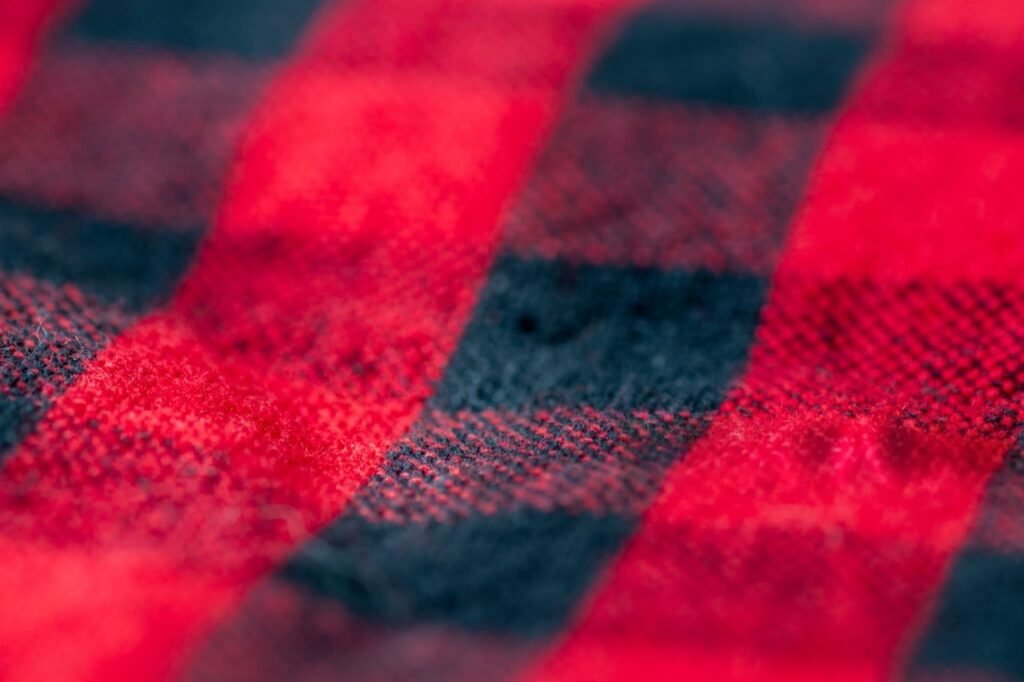
While the classic red or black Buffalo check will always tell a powerful story of cabins and crackling fires, the flannel of today speaks in a richer, more nuanced vocabulary.
- The Neutrals:Slate grey, cream, oatmeal, and charcoal. These are the minimalist’s cozy. They create a serene, cloud-like sanctuary and allow for bold throws or pillows to pop.
- The Earth Tones:Mossy green, deep teal, terracotta, mustard. These colors draw from the winter landscape itself—the evergreen, the deep berries, the rich soil. They feel organic and grounding.
- Subtle Patterns:Tiny stars, understated stripes, miniature gingham, or tonal plaids. These add personality without the boldness of traditional lumberjack checks, perfect for a more curated bedroom story.
Caring for Your Winter Sanctuary

A good flannel story is a long one, told over many winters. To ensure your sheets age gracefully, care is simple but crucial. Wash them alone or with like colors on a gentle, warm cycle for their first few washes—this helps minimize shrinkage and allows the nap to fully bloom. Tumble dry on low. I’d argue that pulling them out while still slightly damp and making the bed lets them finish drying on the bed, perfectly taut and infused with that beautiful, warm, laundry-day scent. Avoid harsh bleaches; they break down the fibers. With proper care, good flannel gets softer, more personal, more yours with every wash.
The Final Chapter: An Invitation to Slow Down
This is the true essence of flannel’s comeback. In a world that is perpetually high-resolution, high-speed, and high-stress, flannel is an analog comfort. It doesn’t wick moisture for performance; it traps warmth for peace. It doesn’t have a thread count you brag about; it has a feel you savor. It encourages a slower rhythm. It’s the reason you might linger in bed on a Saturday morning with a book, listening to the quiet. It’s the irresistible lure that makes you say, “Maybe just an early night,” turning bedtime from a routine into a retreat.
So, as the last leaves tremble on the branches and the light slants low, plan ahead. Don’t wait for the first deep freeze. Visit a shop, feel the weights between your fingers. Order swatches. Find your grade of cozy. Because when that first truly frosty night arrives, and the world outside is a still life in monochrome, you will have prepared your haven.
You will slip between those soft, warm layers, feeling the weight settle around you. You’ll feel the subtle, breathable warmth begin to radiate, pushing back the chill not just from your body, but from your spirit. You’ll understand, in that moment, that this is more than fabric. This is a return to a simple, profound truth: that comfort is a form of beauty, and warmth is a kind of love. You are not just making your bed. You are writing the cozy, essential, deeply human story of your winter. And every night, you get to turn the page.
The Final Chapter: An Invitation to Slow Down
1. I tend to sleep hot. Is flannel a bad idea for me?
This is the most common and important question. The answer is a resounding no—flannel can still be for you! The key is choosing the right weight (GSM). Skip the heavyweight varieties and opt for a lightweight (100-130 GSM) or mid-weight (130-180 GSM) flannel made from breathable cotton or a cotton-lyocell blend. These provide that coveted soft texture and a gentle, breathable warmth rather than intense heat. Think of it as a cozy barrier against the chill of cold sheets, not a winter duvet. The raised nap creates insulation, but good-quality, lighter flannel still allows for airflow, preventing that stifling feeling.
2. How do I stop my flannel sheets from pilling and keep them soft?
Pilling (those little fabric balls) happens when loose fibers twist together from friction. To minimize it, start with quality. Flannel made from long-staple cotton fibers (like Supima or Egyptian) pills far less. For care, wash sheets inside-out in cool or warm water on a gentle cycle. Use a mild detergent and avoid fabric softeners, which can coat the fibers and actually make them feel stiff over time. Tumble dry on low heat and remove them promptly. The occasional use of a fabric shaver can handle any minor pills, but with proper care, good flannel should only get softer and more beloved with each wash, developing a beautiful, personal patina.
3. Can I use flannel sheets year-round, or are they strictly for winter?
Flannel’s true seasonal home is the cooler months—from late autumn through early spring. However, its versatility shines through. Lightweight flannel can be a perfect transition fabric for chilly spring and fall nights. In the depths of summer, even the lightest flannel will likely be too warm for most sleepers. The beauty of a well-curated linen closet is seasonal rotation. Just as you swap winter coats for lighter jackets, letting your flannel rest during the summer makes the ritual of putting it back on the bed in the autumn all the more special—a true sign that the cozy season has officially begun.