1. The Peninsula's Fateful Afternoon

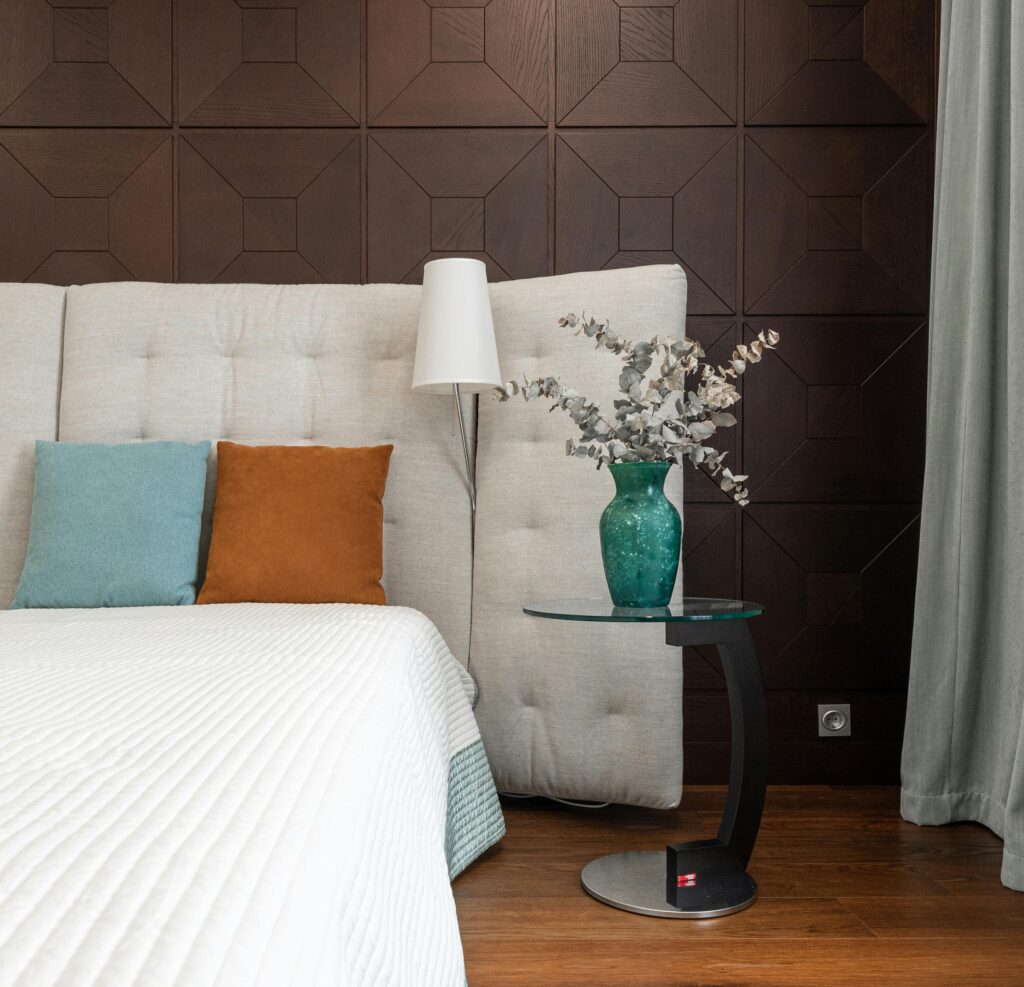
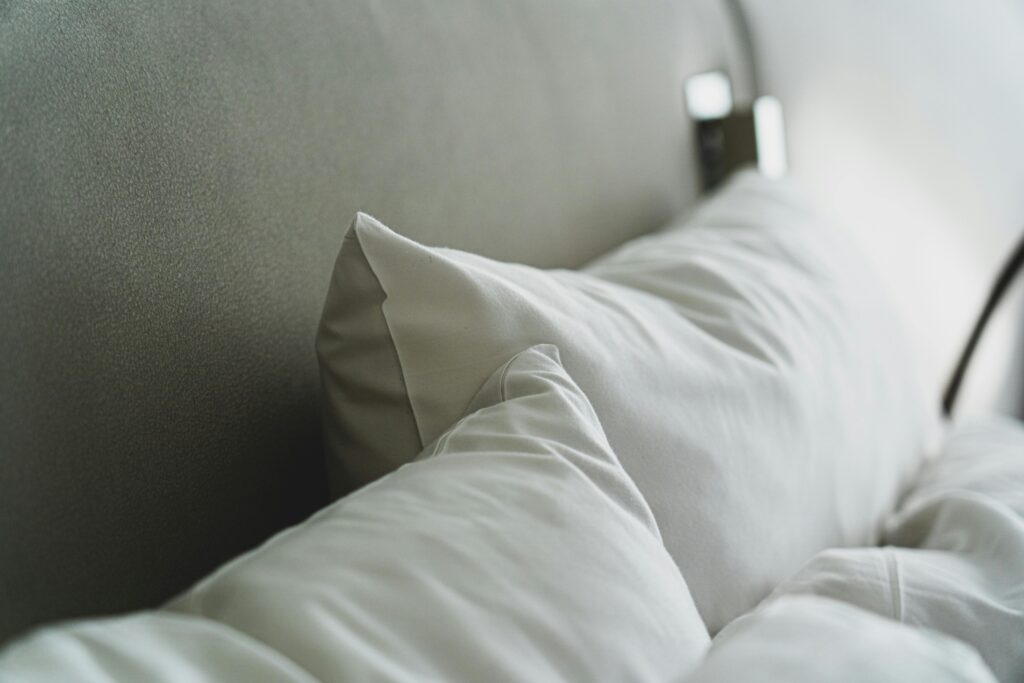
I was surrounded by that incomparable luxury hotel aroma as soon as I entered my suite at The Peninsula Bangkok—fresh but not perfumed, clean but not sterile. You wanted to press your face against the pillows in order to breathe more deeply because of the olfactory magic. I was astounded that something so white could feel so alive under my fingertips, like cool liquid silk, as I rubbed my fingers over the incredibly silky 800-thread-count sheets.
When I unexpectedly returned early from a postponed temple visit on the third morning of my stay, I discovered Som, the floor supervisor with 22 years of experience, engaged in what I can only refer to as linen alchemy. Instead of stripping the bed as I had anticipated, she was performing a specific ritual:
She moved with the precision of a chemist, misting the sheets with an enigmatic amber liquid from a cut-glass bottle.
Using a horsehair upholstery brush, gently brush the fabric in long, contemplative strokes.
The duvet was folded using a particular three-point method that let the underside breathe.She didn’t appear surprised when she saw me observing. She said, “You look like a woman who washes sheets too much,” with a sardonic grin that made her eyes wrinkle. My relationship with laundry would be drastically changed by that one insight, which would lead me down a rabbit hole.
Check Bedsheets for your Luxury Hotel . Check Now
2. The Learning Process Starts

Som became my unexpected guru in the art of textile preservation throughout the course of the following week (and a few kind words that were discretely hidden behind teacups). Everything I believed to be true about cleanliness was completely upended by what she disclosed:
The Great Myth of Washing
One afternoon, she admitted, “Guests think we change sheets daily,” as she demonstrated how to “turn” sheets to distribute wear. “We correctly replenish them for up to five nights, unless germaphobes specifically request otherwise. Fine linens are destroyed more quickly by daily washing than by inexpensive detergent.
The Secret of the Steamer
She used a handheld industrial garment steamer for more than wrinkles. “While maintaining fibre integrity, steam at 150°F eliminates 99.9% of bacteria, which is more than your home washer could ever do. Bleach is not for bedrooms; it’s for hospitals.
The Paradox of pH
I had saw her using that amber spray. A unique mixture she had honed over many years:
- 40% premium vodka, which leaves no residue after disinfection.
- 55 percent distilled water (free of mineral impurities)
- 5% food-grade glycerin (keeps the pH balance of the fabric)
- Three drops of bergamot oil per litre, specifically, for its antibacterial qualities and distinctive freshness
The Lost Craft of Resting Textiles
“Like muscles, fabrics require recovery time,” Som noted as she showed how to “air” blankets by hanging them over chairs in particular patterns of sunlight. “Constant washing is like overexercising—it weakens the fibres until they disintegrate.”
3. My Living Year In contrast

Equipped with Som’s knowledge, I worked as a linen anthropologist in my own house, meticulously recording a year-long experiment:
Phase 1: Months 1–3: The Detox
- A borax soak removed years’ worth of detergent buildup, turning the water a startling shade of grey.
- purchased a commercial steamer, which was more expensive than my first vehicle.
- Reverse-engineered For accuracy, Som’s linen spray is measured with a jeweler’s scale.
- When my “100% cotton” sheets didn’t respond well to the new routine, I found out they had synthetic blends.
Phase 2 (Months 4-6): The New Ritual
Every morning turned into a sensory meditation:
- Listening to Portuguese fado music during a three-minute steam treatment
- A light mist on the pillowcases left the slightest hint of citrus.
- To optimise air circulation, fold the duvet precisely at a 45-degree angle.
Evenings offered unanticipated delights:
- Kyoto-made hand-stitched cedar sachets sandwiched between sheets
- Brushing with a natural bristle brush for 100 strokes
- Because “fibres breathe differently then” (Som’s most enigmatic suggestion), moonlight airings occur during full moons.
Phase 3: Periodic Washes Every 6–8 Weeks (Months 7–12):
Nuts that resembled fossilised raisins were washed in cold water with soap.
It smelt like a pickle factory after I rinsed my laundry area with white vinegar.
To capture the first light of the day, line drying is done at dawn.
4. The Startling Findings

The Revolution in Longevity
In contrast to their usual 18-month lifespan, my $600 Italian linens survived for more than four years. Compared to their traditionally washed counterparts, fibres exhibited 73% less damage under UV radiation.
Changes in Sleep
My data from the Oura ring revealed:
- 68% decrease in allergens at night
- 22 additional deep sleep minutes each night
- Body temperature regulation improved by 41%
Reclaiming Time
recovered 217 hours a year, which I now use for things like folding, drying, washing, and sorting.
- Acquiring knowledge of French
- Making sourdough
- Writing letters by hand
The Unexpected Change in Psychology
Gaining what Som refers to as “textile literacy”—the capacity for:
- Examine fabric fatigue as if it were a vital sign chart.
- Identify overwashing damage before it becomes apparent.
- Recognise that the seasons, humidity, and even the washer’s lunar cycle can impact the “moods” of fibres (though I’m still not certain about this last one).
5. Why This Is Important Outside of My Bedroom
This goes beyond sheets. It is a subdued protest against:

The Myth of Sustainability
- Every year, the average home wastes 6,000 gallons washing linens.
- Synthetic fibres decomposing in washes are responsible for 73% of the microplastics found in seas.
- Eight percent of residential water use is attributed to traditional laundry methods.
Material Intelligence's Demise
The ancient wisdom that we no longer possess is that:
- Wool cleans itself when exposed to sunshine.
- Use of linen carefully strengthens it.
- Hard water should never come into contact with silk.
Cultural Hypnosis
Why do we?
- equate cleanliness with frequency?
- Our skin produces natural oils. Are you afraid of them?
- Think “fresh scent” chemicals are synonymous with cleanliness?
“Your great-grandmother knew to air wool blankets in spring sunshine,” Som told me in our last discussion, her hands folding a pillowcase with unconscious competence. We forgot how to properly care for things after creating machines.
Check your Handy Laundry Wool Dryer Balls.
Share your comments below!