Struggling to choose between Egyptian Cotton, Bamboo, and Microfiber sheets? This isn’t a dry specs sheet—it’s a story. Journey through the tales of ancient luxury, modern alchemy, and scientific innovation to discover which bedding will finally give you the perfect night’s sleep. Your bed’s hero awaits.
The afternoon sun slanted through my bedroom window, illuminating a scene of domestic defeat. There, in a rumpled heap on the floor, were my old bed sheets. They were a wedding gift, a once-bright set of “500-thread-count Egyptian cotton” that had, over a decade, faded into a sad, pilly shadow of their former selves. Their texture had gone from crisply luxurious to vaguely sandpapery. That morning, I’d woken up with a faint line on my cheek from a seam and a feeling of being too hot, then too cold. The time had come. But as I stood in the aisle of a department store later that day, I felt a wave of bewildering confusion.
Egyptian Cotton, Bamboo, Bamboo Rayon, Microfiber, Microfiber Polyester… the words swirled around me like a cryptic code. A cheerful sales associate approached. “Finding everything okay?” she asked. I gestured helplessly at the wall of packaging. “I just… need new sheets.
She smiled, a knowing glint in her eye. “It’s not just about thread count anymore,” she said. “It’s a story. A story of ancient rivers, fast-growing forests, and modern laboratories. You need to find the character that fits your own story.” Intrigued, I decided my purchase could wait.
Pale Oyster – King Size Micro Cotton Bed Sheet Set
Act I: The Pharaoh’s Heir – The Story of Egyptian Cotton
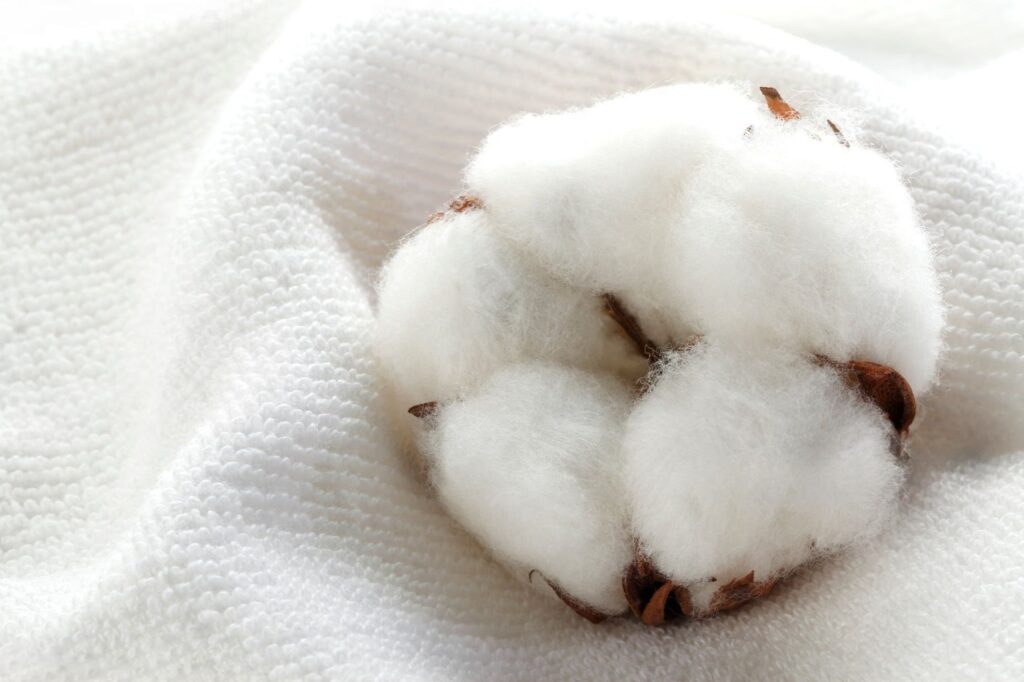
Egyptian Cotton. The name itself sounds like luxury, evoking images of Cleopatra on a barge, swathed in impossibly soft, cool linens.
I learned that true Egyptian Cotton is a specific species, Gossypium barbadense, that thrives in the unique microclimate of the Nile River Valley. The rich soil, constant sun, and crucially, the high humidity, allow the cotton to grow extra-long staple fibers. A fiber’s staple is its length. Think of it like hair—long, natural hair is generally stronger, smoother, and can be spun into a finer, more durable yarn than short, choppy hair. These long, silky fibers are the secret.
They can be spun into incredibly fine, strong threads that are then woven into a fabric with a high thread count that feels not just soft, but sleek and dense. There’s a weight to it, a substantial handfeel that whispers of quality. Because the threads are long and smooth, there are fewer tiny fiber ends poking out of the yarn, which means less pilling and a smoother surface that feels cool against the skin. Its breathability is legendary, a natural air conditioning system woven by the sun.
But every epic has its tragedy. The very factors that make it legendary—its rarity, the specific growing conditions, the meticulous hand-picking process to preserve fiber length—make it expensive. And its famous name has been its curse. “Egyptian Cotton” became a marketing siren song, slapped on labels of products that contained little to no actual cotton from Egypt. I learned to look for certifications like the Cotton Egypt Association logo, a seal of authenticity in a market flooded with pretenders.
I thought of my old sheets. Had they ever been the real thing? Or had I been sold a beautifully packaged fairytale? True Egyptian Cotton, I realized, is for the connoisseur. It’s for the person who sees bedding as an heirloom investment, who values natural fibers, breathability, and a classic, crisp feel above all else. It’s a slow, patient luxury in a fast-moving world. It’s the king, but its reign is under threat from clever usurpers.
Dust Storm – King Size Micro Cotton Bed Sheet Set
Act II: The Zen Alchemist – The Rise of Bamboo
My journey took a turn from the ancient deserts to the modern, eco-conscious world. Everywhere I looked, “Bamboo” was touted as the sustainable, silky-soft future of textiles. It sounded almost too good to be true: a grass that grows a foot a day, requires no pesticides, and self-regenerates from its roots. How could this fast-growing plant become a fabric that rivals the softness of the finest cotton?
The answer, I discovered, is not in weaving the grass itself, but in a process of transformation. This is where Bamboo’s story splits into two paths, and understanding the difference is crucial.
The first, less common method is mechanical. The bamboo is crushed into a pulp, and natural enzymes are used to break it down into a mushy mass of fibers, which are then mechanically combed and spun into yarn—much like flax is spun into linen. This creates what is called “bamboo linen.” It’s incredibly eco-friendly but labor-intensive, expensive, and results in a texture that is more textured and rustic, not the butter-soft feel we associate with bamboo sheets.
The second, and overwhelmingly prevalent method, is chemical. This is the “bamboo rayon” or “bamboo viscose” that fills the market. Here’s the alchemy: the tough bamboo wood is broken down with chemical solvents (like sodium hydroxide and carbon disulfide) into a viscous, honey-like solution. This solution is then forced through tiny nozzles, a bit like a spider spinning silk, to reconstitute it into fibers that can be spun into yarn.
This process transforms the rough bamboo into a fiber with a completely different personality. The resulting fabric is phenomenally, almost unnaturally soft—a drapey, fluid softness that feels cool and slick to the touch. It’s a sensation less like classic cotton and more like sliding into a pool of silk. This is due to its microstructure; bamboo rayon fibers are more rounded and smooth, lacking the scaly surface of cotton.
Rose Ebony – King Size Micro Cotton Bed Sheet Set
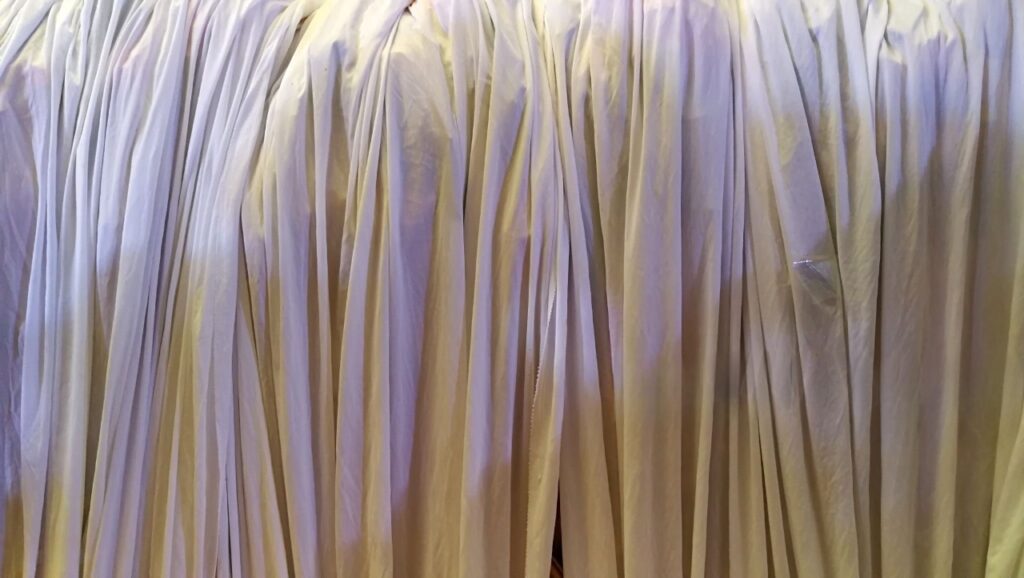
Its superpower, however, is temperature regulation. The micro-gaps in the fibers and their natural cross-section make them exceptionally breathable and moisture-wicking. For a hot sleeper like me, this was a siren’s call. Furthermore, the original bamboo plant’s natural antimicrobial property, known as “bamboo kun,” is often claimed to carry through to the fabric, leading to fewer odors and a cleaner feel.
But the alchemical process has its dark side. The chemicals used can be polluting if not managed in a closed-loop system (look for Oeko-Tex or FSC certifications to ensure safer processes). And there’s a transparency issue. Many companies market it as simply “bamboo,” glossing over the industrial “rayon” process, creating a greenwashed image of a sheet that simply fell from a tree, fully formed.
Bamboo rayon is the Zen master of sheets: incredibly soft, cool, and eco-friendly at its source, but its creation is a complex industrial dance that requires a conscious consumer to navigate. It’s for the modern sleeper who prioritizes a silky feel, temperature control, and a nod to sustainability.
Premium Microfiber Printed Fitted Sheet
Act III: The Modern Marvel – The World of Microfiber
If Egyptian Cotton is the ancient king and Bamboo is the zen alchemist, then Microfiber is the sleek, efficient scientist from the future. My initial prejudice against it was strong. I associated it with the cheap, staticky, plasticky feeling sheets I’d encountered in budget hotels or college dorm rooms. I was prepared to dismiss it entirely. But I was wrong.
Microfiber isn’t a natural fiber at all. It’s a synthetic, most commonly made from polyester, polyamide (nylon), or a blend. Its magic isn’t in its origin, but in its engineering. A single microfiber strand is split into strands so infinitesimally fine—literally finer than a strand of silk—that a square inch of fabric can contain over 200,000 fibers.
This ultra-dense construction is the key to its unique properties. All those microscopic fibers create a vast surface area that wicks moisture away from the body with terrifying efficiency. Think of a super-absorbent shammy versus a cotton towel. This makes certain high-quality microfibers fantastic for athletic wear or for those who suffer from night sweats.
Furthermore, the tight weave makes it incredibly durable and resistant to pilling. While my cotton sheets had given up the ghost, a microfiber set could likely withstand years of washing with minimal wear. It’s also wrinkle-resistant and, crucially, the most affordable option on the market by a wide margin.
But engineering has its trade-offs. Those same tightly-woven, synthetic fibers are what can make cheap microfiber feel clammy and trap heat. Breathability is its Achilles’ heel. While it wicks moisture, it doesn’t breathe like a natural fiber, which can lead to that feeling of sleeping under a plastic bag if you run hot. There are also environmental concerns, as it’s derived from petroleum and can shed microplastics into the water supply with every wash (a washing bag can mitigate this).
Premium Microfiber Printed Fitted Sheet
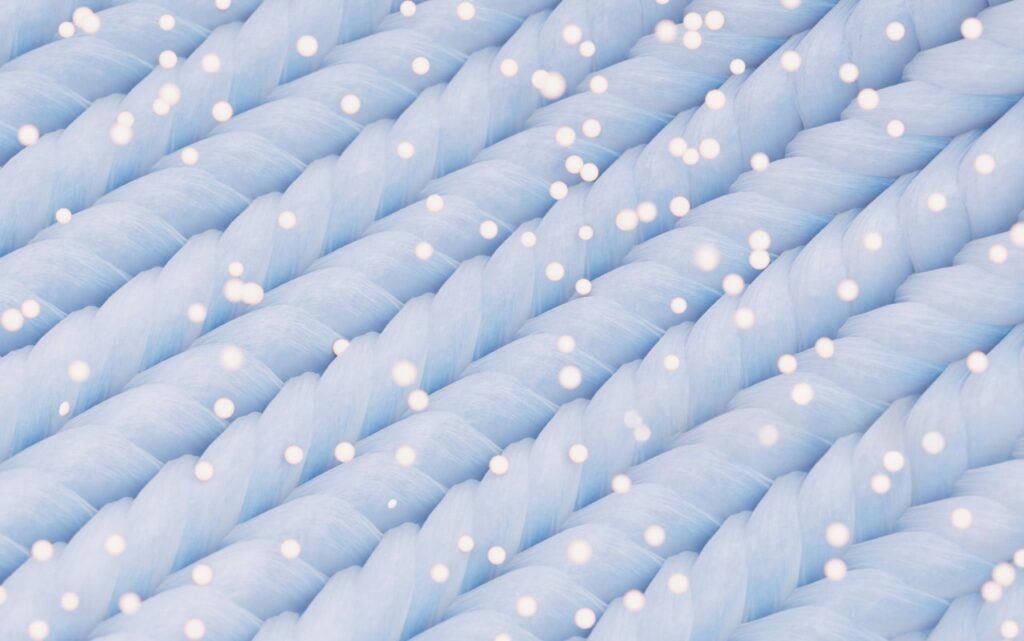
However, I learned that not all microfiber is created equal. Higher-quality versions use finer fibers and better weaving techniques to create a softer, more breathable handfeel. Some are even brushed to create a suede-like or flannel-like texture. Microfiber is the pragmatic choice: durable, easy-care, affordable, and highly effective for specific needs. It’s for the student, the young family, the budget-conscious, or anyone who values convenience and practicality above the romance of natural fibers.
Premium Microfiber Printed Fitted Sheet
Interlude: The Night of a Thousand Samples
Armed with theory, I needed practice. I embarked on what my partner jokingly called “The Night of a Thousand Samples.” I ordered swatches and bought small, trial-size pillowcases in each material.
The Egyptian Cotton sample was everything I’d read. It was crisp, cool, and substantial. It had a satisfying snap when I shook it. It felt like a five-star hotel.
The Bamboo Rayon was a revelation. It was cooler than the cotton and had a weightless, silky drape. It felt decadent and sensual, like something you’d pack for a luxurious getaway.
The high-quality Microfiber surprised me. It was soft, though in a different way—a uniform, plush softness. It was warm and cozy, but when I held it to my cheek, I could feel it didn’t breathe the same way. It was comforting, like a favorite well-worn sweatshirt.
Luxury Bed Spread 3 Pcs
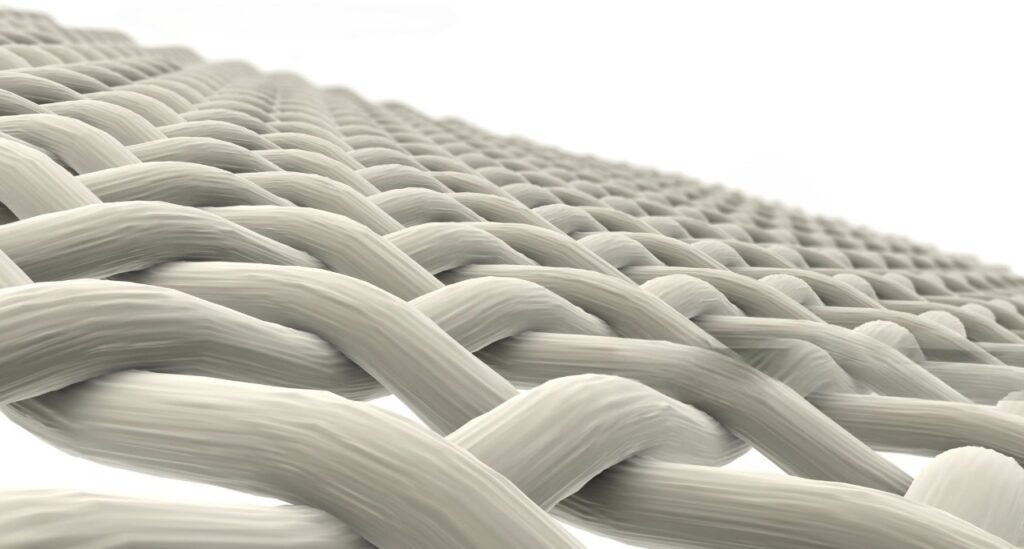
I laid them all out on my bed, a trio of potential futures. The king, the alchemist, and the scientist. Each had a compelling argument. But which one was right for my story?
Luxury Bed Spread 3 Pcs
The Final Choice: Weaving Your Own Narrative
Weeks had passed since my initial dismay in the store aisle. I was no longer confused; I was enlightened. I realized the sales associate was right. This wasn’t about finding the “best” sheet objectively. It was about finding the best sheet for the main character of my own life.
I thought about my plotlines. I am a hot sleeper. I value sustainability. I hate ironing. I have a cat who believes sheets are his personal scratching post. I also have a budget.
Egyptian Cotton, while glorious, felt like a commitment to a lifestyle I didn’t have—one that involved ironing napkins and worrying about bleach. Its cost and care requirements knocked it out of the running.
Microfiber was tempting for its durability and price. But on a warm night, the sample had made me feel a bit stifled. My primary quest had begun because I was overheating. Choosing microfiber felt like solving a leaky faucet by turning off the main water line.
And then there was Bamboo. It addressed my core complaint: temperature regulation. Its silky feel was a bonus. The environmental story was complex, but by focusing on brands with Oeko-Tex certification, I could ensure I was choosing a product safe for me and responsibly made. It was soft, cool, durable enough, and within my budget.
I finally clicked “purchase” on a set of charcoal grey bamboo rayon sheets.
The night they arrived, I washed them (in cold water, with a gentle detergent, as instructed). That evening, making the bed felt like a ceremony. The fabric felt cool and heavy in my hands, slithering smoothly over the mattress. That night, I slid between the sheets. The sensation was immediate. The coolness was profound, a gentle whisper against my skin. There was no struggle, no flipping the pillow to find the cool side. The whole bed was the cool side.
I woke up the next morning feeling truly rested. No night sweats, no twisted sheets, just a perfect, uninterrupted sleep. The cat, intrigued by the new texture, kneaded them briefly before curling up, apparently approving.
Luxury Bed Spread 3 Pcs
Epilogue: Which Story is Yours?
My journey through the world of sheets taught me more than just textile facts; it taught me about being a conscious consumer. There is no single winner in this battle, only different heroes for different narratives.
Luxury Bed Spread 3 Pcs
Choose the Story of Egyptian Cotton if:
Your story is one of classic, investment-piece luxury. You appreciate the beauty of natural, long-lasting materials. You don’t mind a bit of maintenance (gentle washing, maybe even ironing for that perfect crispness) for the sake of unparalleled breathability and a timeless feel. You are the pharaoh of your bedroom, and you demand a throne worthy of your reign.
Quadra Noir Poly Cotton – FD Bedsheet Set
Choose the Story of Bamboo if:
Your story is one of modern comfort and eco-consciousness. You are a hot sleeper, a sensualist who loves a silky, drapey feel against your skin. You value temperature regulation above all else. You’re willing to do a little homework to find a transparent, responsibly-made brand. You are the zen alchemist, transforming your sleep into a cool, sustainable ritual.
Water Proof Mattress Cover
Choose the Story of Microfiber if:
Your story is one of practicality, durability, and value. You’re a student, a parent of young children, or simply someone who prioritizes easy care and affordability. You might sleep cold and appreciate its warmth-retaining properties, or you might need its powerful moisture-wicking for night sweats. You don’t want to fuss with special washing instructions. You are the efficient scientist, solving the problem of sleep with smart, engineered precision.
Huma Linen Fitted Sheet Set – Dark Brown Stripes, Micro Cotton
So, stand before the wall of choices not with confusion, but with curiosity. Ask yourself about the character of your nights. Are you a restless pharaoh, a warm alchemist, or a practical scientist? Your perfect night’s sleep isn’t found in a thread count number; it’s woven into the very story of the fibers themselves. All you have to do is find the one that tells your tale.
Royal Linen Micro Cotton Stripes King size Fitted sheets with 2 Pillows
FAQs
1. I sleep really hot and wake up sweaty. Which sheet material is best for me?
For hot sleepers, Bamboo rayon (viscose) is generally considered the best choice. Its fibers are exceptionally breathable and have superb moisture-wicking properties, pulling sweat away from your body to evaporate quickly, leaving you feeling cool and dry throughout the night. While Egyptian cotton is also breathable, bamboo often has the edge in active cooling.
2. Are bamboo sheets truly eco-friendly and natural?
The answer is nuanced. The source material—bamboo grass—is highly sustainable, growing rapidly with minimal water and no pesticides. However, the process to turn it into the soft fabric we know is chemical-intensive (it’s a rayon/viscose process). For a truly eco-friendly option, look for brands that use a closed-loop system (recycling their water and solvents) and carry certifications like Oeko-Tex 100 (ensuring no harmful chemicals are in the final product) or FSC (for sustainable forestry).
3. What is the biggest misconception about microfiber sheets?
The biggest misconception is that all microfiber is cheap, low-quality, and feels like plastic. While this is true for low-grade options, high-quality microfiber can be incredibly soft, durable, and effective at moisture-wicking. Its performance is all about the fineness of the fibers and the weave quality. However, even the best microfiber cannot replicate the natural breathability of cotton or bamboo, so it can still trap heat for some sleepers.