It was 2:17 AM, and I was holding my favorite bedside lamp over the bed like a detective examining a crime scene. The culprit? A cup of midnight chamomile tea. The victim? My crisp, cloud-white bedsheet that I had bought exactly six days ago.
I remember freezing, watching that brown plume bloom outward across the cotton like smoke signals. My first thought was “Well, that’s seventy bucks down the drain.” My second thought was panic. I did what any rational person does at 2 AM: I grabbed a paper towel and started dabbing furiously, which, as I would later learn, is the exact opposite of what you should do.
That night began my three-year journey into the weird, wonderful, and surprisingly satisfying world of home stain removal. I ruined sheets. I saved sheets. I cried over a turmeric stain. And today, I am going to tell you everything I figured out, not as a cleaning expert, but as a clumsy tea-drinker who finally got wise.
The First Mistake: Why Rubbing is a Betrayal
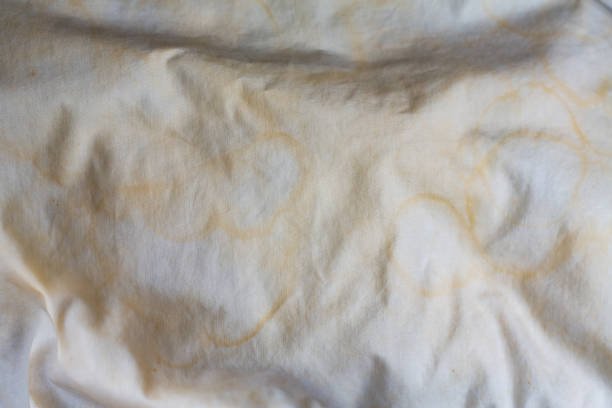
Let me rewind to that night with the chamomile. After dabbing (read: aggressively scrubbing) the stain for five minutes, the brown circle had doubled in size and taken on a fuzzy, ghost-like appearance. I had essentially ground the tea tannins deep into the cotton fibers. My grandmother, who raised me on a farm where we bleached everything with sunlight, would have sighed.
Here is the first truth I learned the hard way: Stains are not enemies to be attacked. They are guests to be gently escorted out.
Rubbing is violence against fabric. It breaks the weave, pushes the stain deeper, and creates that terrible “halo effect” where the stain looks worse than when you started. What you want to do is blot. Always blot from the outside edge of the stain moving inward, like you’re drawing a circle toward a center point. This traps the mess, rather than spreading it.
That night, I eventually gave up, threw the sheet in the corner, and slept on a towel. But the next morning, armed with stubbornness and a bottle of dish soap, I learned my second lesson.
The Trinity of Magic: Three Things Already in Your Kitchen
You do not need a chemistry degree. You do not need a special $30 spray from a TikTok shop. You need three things that are probably under your kitchen sink right now:
- Blue Dawn dish soap (specifically the blue one—don’t ask me why, it just works)
- White vinegar (the cheap kind)
- Baking soda (that half-empty box in the back of the fridge)
I call these the Holy Trinity of Home Stain Removal. Here’s how they work together like a tiny, wet Avengers squad.
The Dawn breaks down oils and grease. Most stains—even that mysterious yellow one you don’t want to think about—have an oily component. Dawn cuts through that like a hot knife through butter.
The Vinegar is an acid that tackles alkaline stains (like deodorant marks or hard water residue) and also neutralizes odors. Plus, it’s a natural fabric softener, so you won’t get that crunchy, over-washed feel.
The Baking Soda is the gentle abrasive and pH balancer. It lifts physical particles out of the weave and turns vinegar into a fizzing volcano of lift-action goodness.

The Bloody Nose Incident (August 17th, Last Year)
Let me tell you about the Bloody Nose Incident. I get them in my sleep during dry weather. I woke up, stumbled to the bathroom, and came back to find a Jackson Pollock painting of dried blood on my pillowcase.
Cold water. That’s the secret. Hot water cooks the protein in blood into the fibers like an egg on a frying pan. Cold water keeps the protein loose and soluble.
I took the pillowcase to the sink, ran cold water through the back of the stain (pushing it out, not in), and then I did something brilliant: I made a paste of baking soda and cold water, slathered it on the stain, and let it sit for an hour. When I came back, the paste had turned pinkish-brown. I rinsed it. Ninety percent gone.
For the last ten percent, I dabbed a tiny drop of hydrogen peroxide (the kind for cuts) onto the residue. It fizzed for a second, and then—poof. Vanished. The pillowcase looked new.
Moral of the story: Know your enemy. Blood, sweat, egg, dairy—these are protein stains. Treat them with cold water and enzymes (meat tenderizer powder actually works in a pinch). Coffee, tea, wine, juice—these are tannin stains. Treat them with heat and acid (vinegar or lemon juice). Oil, grease, lotion, makeup—these are oil-based stains. Dawn is your god.
The Turmeric Tragedy (And How I Ate Humble Pie)
My roommate (bless her chaotic heart) makes golden milk lattes every morning. Turmeric, ginger, oat milk, a dash of pepper. Healthy? Yes. Staining power? Comparable to nuclear waste.
One morning, she spilled an entire mug on my favorite linen sheet. The sheet was a light oatmeal color. The stain was bright, radioactive yellow. She apologized. I wanted to cry. Turmeric is the boss level of household stains. It laughs at bleach. It mocks OxiClean.
I tried everything. Dish soap? Nothing. Vinegar? The stain turned orange. Baking soda paste? It looked like a sad curry.
Then I remembered a trick from an old forum post about dyeing fabric. Sun bleaching. On a sunny Tuesday, I wet the stained area, rubbed a cut lemon over it (the citric acid is a natural lightener), and laid the sheet flat on the grass in direct sunlight. I left it for six hours.
When I brought it inside, I held my breath. The stain was… gone. Not faded. Gone. The UV rays from the sun, combined with the lemon, had broken down the curcumin molecules (the thing that makes turmeric yellow) into invisible particles.
The Secret War Against Yellowing (Time is the Real Enemy)
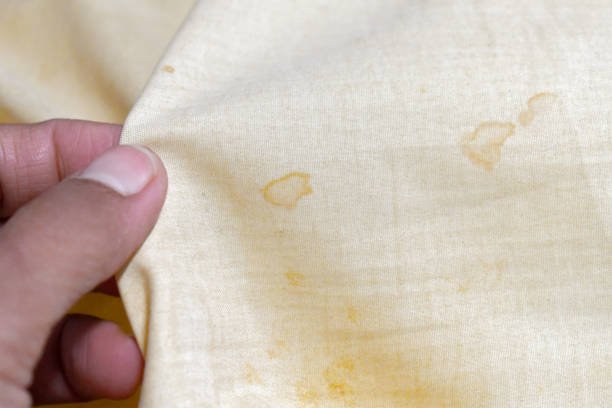
Here is something nobody tells you: even if you never spill anything, your sheets get stained. Body oils, sweat, dead skin cells, and that fancy night cream you spent forty dollars on—they all build up over time, turning white sheets gray and colored sheets dingy.
I used to think washing every two weeks was fine. I was wrong. After three weeks, that oil layer starts to bond with the cotton on a molecular level. It becomes what laundromat owners call “invisible soil.” You don’t see it, but you can feel it—that slightly slick, slightly stiff texture.
Now I wash my sheets every Sunday night. It’s my ritual. I put on a podcast, strip the bed, and sort the stains.
- No visible stain? Hot water, regular detergent, half a cup of white vinegar in the fabric softener slot.
- Yellowing on the pillowcases? I make a paste of baking soda, hydrogen peroxide, and a drop of Dawn. I spread it on the yellow areas, roll them up, and let them sit for 30 minutes before washing.
- That weird gray shadow on my husband’s side of the bed? That’s a mix of sweat and deodorant. I spray it with straight white vinegar before throwing it in the wash. It smells like a salad for five minutes, then rinses completely clean.
The Drying Rule You Cannot Break
I learned this after shrinking a fitted sheet to the size of a tea towel: Never, ever put a stained sheet in the dryer until you are 100% sure the stain is gone.
Heat sets stains. It’s the final boss. If you put a sheet with a faint coffee ring into a hot dryer, that faint ring becomes permanent. It bakes the stain into the polymer chains of the fabric.
So here is my rule: after treating and washing, I do a “light check.” I hold the wet sheet up to a window. If I see even a whisper of a shadow where the stain used to be, I do not dry it. I hang it on the shower rod to air dry, or I treat it again.
Drying is a point of no return. Treat it like a marriage vow—be very sure before you commit.
When to Wave the White Flag
Let me be honest with you. Not every sheet is saveable. I have thrown away three sheets in my life that I genuinely loved.
- One was a silk pillowcase that got a blob of hair dye on it. Silk is too delicate for any of the methods above.
- One was a cheap poly-blend sheet that I accidentally bleached into a tie-dye disaster.
- One was a fitted sheet that developed mildew because I left it in the washing machine for two days (don’t judge me, it was a rough week).
Sometimes, the cost of your time and the emotional energy is worth more than the sheet. If a sheet is more than three years old, has multiple stains, and you’ve tried everything? Let it go. Cut it into cleaning rags. Use it to cover plants during a frost. Give it a dignified second life.
A Quick Cheat Sheet for the Most Annoying Stains
Before we get to the FAQs, here are the five stains that have personally ruined my mornings, and the one weird trick that actually fixed them.
- Red wine: Blot immediately. Pour white wine (or white vinegar if you don’t have wine) over it. The acid neutralizes the pigments. Then pour boiling water from a height of two feet—the force and heat push the stain out.
- Sweat/deodorant (those yellow armpit stains on your pillowcase because you sleep on your side): Mash two aspirins into a powder, mix with a few drops of water to make a paste, scrub gently, leave for an hour. Aspirin contains salicylic acid, which breaks down aluminum compounds.
- Ink (from a pen that exploded in your pocket): Hairspray. The alcohol in hairspray dissolves ink. Spray it, blot it, repeat. Then wash in cold water.
- Lipstick (because you fell asleep watching Netflix without taking your makeup off): Rub a little bit of coconut oil or olive oil into the stain first. Oil lifts oil. Then treat with Dawn.
- Mystery brown stain (you don’t know what it is and you’re scared to ask): Start with cold water and baking soda paste. If that doesn’t work, try vinegar. If that doesn’t work, it’s probably rust, which requires a commercial rust remover.
The Rhythm of a Clean Bed
At the end of the day, removing stains isn’t really about chemistry. It’s about attention. It’s about not panicking when the tea spills. It’s about knowing that a little patience and a few cheap ingredients can save you from buying yet another set of sheets from the big box store.
My bed right now has sheets that are three years old. They are soft as butter. They have survived tea, blood, turmeric, sweat, and one truly regrettable incident involving melted chocolate. And they look great. Not perfect—if you look closely, you can see a faint ghost of that chamomile stain on the corner. I actually like it now. It reminds me that I figured this out.
So go ahead. Spill your drink. Have your midnight snack in bed. Just remember: blot, don’t rub. Know your enemy. And when in doubt, the sun is your best friend.