Let me make this article feel real for you. Because when I first started hunting for the perfect bedsheets, I didn’t care about thread counts or weaves or “breathability.” I just wanted to stop waking up in a puddle of my own sweat at 3 AM.
It was a humid Tuesday in July. I remember it clearly because my air conditioner had chosen that exact night to give up on life. I was lying there, staring at the ceiling, trying to peel my leg off the sheet without making that horrible sticky riiiip noise. My wife, Sarah, was fast asleep on her side, looking like a serene angel. I, on the other hand, looked like I had just run a marathon in a raincoat.
That morning, I threw the old sheets into the laundry basket and declared war. I was going to find the perfect sheet. And like any sane person in the 21st century, I opened twelve browser tabs and fell down the rabbit hole of “Microfiber vs Cotton.”
Spoiler alert: It took me a year of testing. I bought the cheap packs, the fancy Egyptian cottons, the silky microfibers that claimed to be “cooling.” I washed them, slept on them, fought with my spouse over them, and even used one set as a drop cloth for painting (don’t tell Sarah).
So, grab a cup of coffee, and let me tell you the story of how I learned to love both, and hate both, in equal measure.
Chapter 1: The Siren’s Song of Microfiber (The First Date)
My first purchase was a microfiber sheet set. Why? Because I am cheap. No, let’s rephrase that. I am value-conscious. The microfiber set cost me twenty-two dollars on an online sale. Twenty-two dollars for a queen size set that included four pillowcases. Cotton sheets of the same size started at around sixty bucks. My wallet screamed, “Buy the plastic!”
When the package arrived, it was vacuum-sealed into a brick the size of a hardcover book. I cut it open, and the sheets exploded out like a magic trick. Immediately, I noticed two things.
First, the softness. Oh my goodness, the softness. It felt like touching a cloud that had been raised on a diet of butter and cashmere. I ran my hand over the fitted sheet, and it genuinely felt better than my most expensive t-shirt. Second, the weight. There was almost none. It felt like holding a bed sheet made of spider silk.
That night, I made the bed with the enthusiasm of a kid on Christmas morning. I did the “hospital corners” for the first time in my life. I fluffed the pillows. I called Sarah into the room. “Feel this,” I said.
She touched it. She raised an eyebrow. “It feels… slippery.”
“Nonsense,” I said. “This is the future.”
I was wrong. The future tried to kill me at 2:15 AM.
You see, microfiber is made of polyester and polyamide—basically, very finely woven plastic. Plastic does not breathe. Human bodies are essentially hot water balloons with anxiety. When I fell asleep, I was warm. By 2 AM, I was a furnace. The sheet, which had felt like a cloud, now felt like a plastic bag wrapped around my legs. I started sweating, but the moisture had nowhere to go. It just sat there, trapped between my back and the sheet, creating a lovely swampy ecosystem.
I tossed. I turned. I kicked the sheet to the bottom of the bed. Then, because microfiber is so light, it floated back up. I woke up tangled in it like a burrito of despair.
The next morning, Sarah looked at me. “Rough night?”
I grunted.
But here is the plot twist. I didn’t give up on microfiber. I washed it. And here is the secret that nobody tells you in the product listings: Microfiber gets better after the first wash.
The second night, the weird chemical slipperiness was gone. The “hand feel” (that’s what fabric nerds call it) turned from “slippery plastic” to “velvety peach fuzz.” It was still too hot for July, but I realized something important. Microfiber isn’t evil. It’s just specialized.
Chapter 2: The Old Money Charm of Cotton
After the microfiber heat disaster, I did what any reasonable person would do. I spent way too much money on a set of 100% long-staple cotton sheets. These weren’t the “400-thread-count-for-ten-dollars” lies you find at discount stores. These were the real deal. They cost me ninety-five dollars.
When I opened the box, I was almost offended. They felt… stiff. They felt like a clean hotel napkin. There was no immediate “ahhh” softness like the microfiber. They were cool to the touch, but crisp. Starched almost.
I washed them, dried them on low heat, and put them on the bed.
The first thing I noticed was the weight. Putting on a cotton fitted sheet is a workout. It doesn’t stretch easily like microfiber. You have to wrestle it onto the corners. By the time I was done, I was breathing heavily. But once it was on, it looked proper. It looked like an adult lived here.
Sleeping on cotton is a different universe. It’s not “soft” in the fake-fur way. It’s “cool” in the stone-floor-of-a-castle way. I lay down, and my body heat didn’t build up. It dissipated. I fell asleep without realizing I had fallen asleep.
I woke up at 7 AM. I hadn’t moved. For the first time in months, I wasn a sweaty mess. I was dry. I was comfortable. I whispered to the pillow, “I love you, cotton.”
But—and there is always a “but”—around week three, the romance faded a little. The cotton sheets, which had started crisp, were now just… wrinkled. I don’t mean a little crinkled. I mean they looked like I had slept inside a paper bag. My grandmother would have called it “lived in.” My wife called it “a mess.”
Also, washing cotton is a chore. Microfiber dries in twenty minutes. Cotton takes an hour and a half in the dryer. If I forgot to take it out immediately, it became a wrinkled monument to my laziness.

Chapter 3: The Great Allergen Apocalypse
Now we get to the part of the story where science rears its ugly head.
I have allergies. Not the scary “epi-pen” kind, but the annoying “I sneeze twelve times in a row and people think I have COVID” kind. Dust mites love warm, humid environments. They love dead skin cells. Basically, they love my bed.
About two months into my experiment, I realized something shocking. After sleeping on the microfiber sheets for a week, my nose was stuffy. After sleeping on the cotton for a week, I was fine.
I did some research (which means I googled it while eating cereal). It turns out, microfiber has a denser weave than most cotton sheets. The threads are so fine and packed so tightly that dust mites physically cannot get through the fabric to the mattress padding below. They also can’t live inside the sheet itself because microfiber wicks moisture away (wait, I said it traps heat, but it actually moves sweat away from your body to the surface of the sheet—this is a different property).
Cotton, on the other hand, is like a highway for allergens. The fibers are hollow and absorbent. Dust mites love that. Mold loves that.
However, here is the catch-22. While microfiber blocks dust mites, it traps chemical smells. I spilled a little bit of coffee on the microfiber sheet. I washed it. I could still smell the coffee faintly a week later. Cotton? Spill red wine on cotton, wash it with hot water and oxy-clean, and it is gone forever. You can boil cotton. You can’t boil plastic (microfiber) without melting it.
So, the verdict on allergies depends on your enemy. If you fear the invisible creepy crawlies (dust mites), go microfiber. If you fear the weird chemical smell of laundry detergent or body oils building up, go cotton and wash it hot.
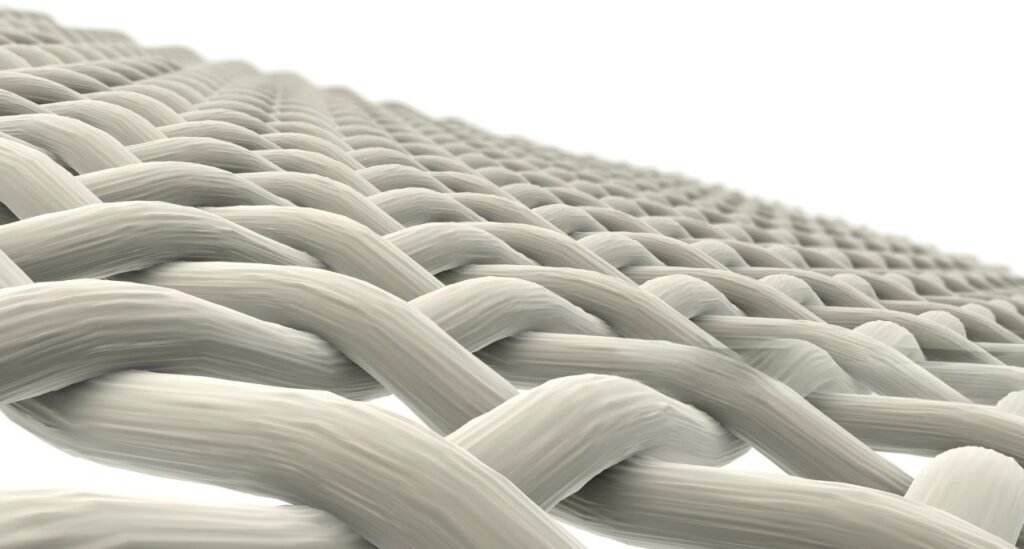
Chapter 4: The Pet Hair Test (Enter Murphy)
I need to introduce a character here. Murphy is my dog. He is a sixty-pound Labrador mix who believes that “dog bed” is a slur and that the king-sized human bed is his rightful throne. Murphy sheds. He sheds like it is his part-time job.
One night, Murphy jumped onto the microfiber sheet. He circled three times, flopped down, and then stood up to turn around. When he stood up, the microfiber sheet came with him. The static electricity was so strong that the sheet clung to his fur like a second skin. It looked like he was wearing a ghost costume.
Then he shook.
Fur went everywhere. But here is the magic—microfiber is so slick that the fur didn’t stick. It rolled into little balls that I could just pick up with my hand. I ran a lint roller over the microfiber sheet for ten seconds. Clean.
Cotton, on the other hand, is a fur magnet. Murphy lies on the cotton sheet for five minutes, and it looks like I sheared a sheep on the bed. The fur weaves itself into the cotton fibers. You can lint roll for an hour, and you will still find little white hairs poking out. The only way to get fur out of cotton is to wash it, and even then, you have to clean the dryer lint trap twice during the cycle.
If you have a pet, write this down: Microfiber wins the pet hair battle by a landslide. But be careful—their claws can snag microfiber easier than cotton. Murphy’s nail ripped a tiny pull in the microfiber on day three. The cotton sheet has been clawed a hundred times and still looks fine.
Chapter 5: The Laundry Chronicles (A Marriage Test)
Let me tell you a story about a Tuesday night. It was 10 PM. We had just finished dinner, and I realized I forgot to start the laundry. I had no clean sheets. This is the moment where the difference between these two fabrics becomes a matter of marital survival.
Option A: Microfiber
I grabbed the dirty microfiber set, threw it in the washer, set it to “cold” (you should never wash microfiber hot, it melts the fibers), and hit start. Twenty-eight minutes later, I threw it in the dryer on “low heat” (high heat destroys microfiber). Thirty minutes later, it was dry. That’s one hour total. I made the bed by 11:15 PM. Sarah was happy.
Option B: Cotton
If it had been cotton, I would have needed to start at 8 PM. Cold or warm wash? Forty minutes. Dryer on high heat? Seventy minutes minimum. Plus, I have to take them out the second the buzzer rings, or they wrinkle so badly I need an iron. Ironing a king-sized fitted sheet is a form of medieval torture. Total time: Almost two hours.
But—and this is a big but—microfiber is fragile. After about fifteen washes, I noticed the microfiber sheets were starting to “pill.” You know those little tiny balls of fuzz that form on cheap sweaters? Yeah. They were growing on my bed. It felt like sleeping on sandpaper.
My cotton sheets? I have washed them forty times. They look exactly the same as day one, just softer. Cotton is the Toyota Hilux of fabrics. You cannot kill it. Microfiber is the sports car—fast, pretty, but needs constant care and dies young.
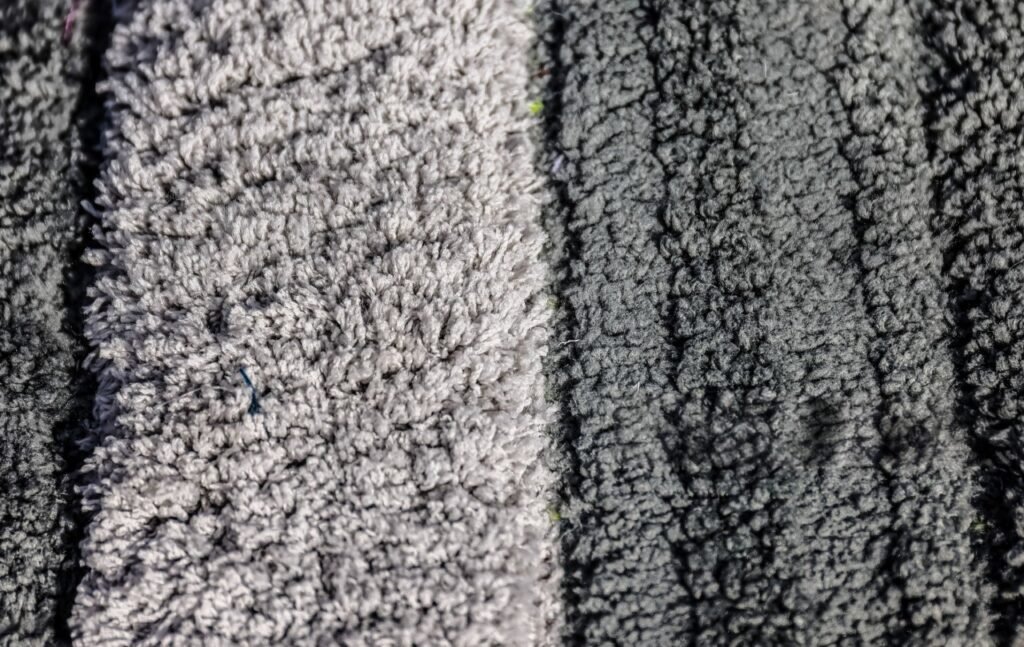
Chapter 6: The Climate Wars (Winter vs Summer)
Here is where I stopped being a hater and started being a strategist.
I live in a place that has four distinct seasons. Hot, humid summers. Cold, dry winters. I have realized that asking “which is better, microfiber or cotton?” is like asking “which is better, a coat or a t-shirt?” It depends on the weather.
Summer (July, 85°F at night):
Cotton is the undisputed king. Linen is actually better than both, but we aren’t talking about that today. Cotton breathes. It pulls heat away from your body. I sleep on cotton in the summer with just a flat sheet, and I am comfortable. Microfiber in the summer is a death sentence. I would rather sleep on a leather couch.
Winter (January, 30°F at night):
Reverse the script. In the winter, microfiber is glorious. It traps body heat like a hug. I put the microfiber sheets on in December, and I feel like I am sleeping in a gentle oven (in a good way). Cotton in the winter is cold. You get into a cotton bed in January, and it feels like getting into a refrigerator. You have to shiver for ten minutes while your body warms up the fabric.
My final strategy? Layering. I keep both in the linen closet. Cotton for May through September. Microfiber for October through April. Don’t tell the sheet purists, but I even mix them sometimes. Microfiber fitted sheet (warm on my legs) with a cotton flat sheet (breathable on my chest). It’s chaos, but it works.x
Chapter 7: The Cost Analysis (What Your Wallet Will Say)
Let’s do the math, because I know you are thinking about it.
I bought three sets of microfiber sheets over the course of a year. Why three? Because two of them pilled so badly after three months that I threw them away. Total cost: $22 + $25 + $20 = $67.
I bought one set of decent quality cotton sheets. Total cost: $95.
Over one year, microfiber cost me $67. Cotton cost me $95. Microfiber was “cheaper” in the short term. But here is the trick. The cotton sheets will last for five years. I still have them. The microfiber sheets barely lasted four months each. Over five years, microfiber would cost me roughly $335 (replacing them three times a year). Cotton costs me $95 once.
If you are a student or you are moving apartments every six months, buy microfiber. It is cheap, it feels nice for the first ten washes, and if you lose it, who cares?
If you are an adult who wants to buy something once and forget about it, buy cotton. Good cotton is an investment in your sleep.
Chapter 8: The Verdict (What I Actually Sleep On)
It’s 10 PM as I write this conclusion. I am sitting on my bed. Sarah is reading her book next to me. Murphy is snoring at the foot of the bed.
Right now, it is October. It is cold outside. I am sleeping on the microfiber set.
But when I travel for work in the summer, I pack cotton pillowcases in my suitcase because hotel sheets are usually horrible polyester blends that make me sweat.
So here is my honest, human, non-sponsor-friendly verdict:
Buy Microfiber IF:
- You are on a tight budget.
- You live in a cold climate.
- You have dust mite allergies.
- You have pets (and don’t mind replacing sheets every 6-8 months).
- You hate ironing and love wrinkle-free fabric.
Buy Cotton IF:
- You are a hot sleeper (perimenopause? night shifts? just run hot? get cotton).
- You want sheets that last for years.
- You hate the feeling of static electricity.
- You are willing to iron or don’t mind wrinkles.
- You spill things (coffee, wine, tears) and need to wash on hot.
Do not let anyone tell you that one is “objectively” better. That is a lie sold by companies trying to sell you their specific product. The best sheet is the one that fits your weird, specific life. I have a friend who sleeps on microfiber year-round because he keeps his house at 62 degrees. I have another friend who sleeps on cotton in a snowstorm because she says the “cold shock” helps her sleep.
You do you.
Three Short FAQs (Because We Always Have Questions)
It’s 10 PM as I write this conclusion. I am sitting on my bed. Sarah is reading her book next to me. Murphy is snoring at the foot of the bed.
Right now, it is October. It is cold outside. I am sleeping on the microfiber set.
But when I travel for work in the summer, I pack cotton pillowcases in my suitcase because hotel sheets are usually horrible polyester blends that make me sweat.
So here is my honest, human, non-sponsor-friendly verdict:
Buy Microfiber IF:
- You are on a tight budget.
- You live in a cold climate.
- You have dust mite allergies.
- You have pets (and don’t mind replacing sheets every 6-8 months).
- You hate ironing and love wrinkle-free fabric.
Buy Cotton IF:
- You are a hot sleeper (perimenopause? night shifts? just run hot? get cotton).
- You want sheets that last for years.
- You hate the feeling of static electricity.
- You are willing to iron or don’t mind wrinkles.
- You spill things (coffee, wine, tears) and need to wash on hot.
Do not let anyone tell you that one is “objectively” better. That is a lie sold by companies trying to sell you their specific product. The best sheet is the one that fits your weird, specific life. I have a friend who sleeps on microfiber year-round because he keeps his house at 62 degrees. I have another friend who sleeps on cotton in a snowstorm because she says the “cold shock” helps her sleep.
You do you.
1. "Does high thread count matter for cotton or microfiber?"
For cotton? Yes, but only up to a point. 400 to 600 is the sweet spot. Anything over 800 is usually a marketing lie (they twist two threads together to cheat the count). For microfiber? Thread count is irrelevant. Microfiber threads are so thin that “thread count” numbers are nonsense. Ignore them. Just feel the fabric.
2. "My microfiber sheets feel clammy. Did I buy bad ones?"
Probably. Cheap microfiber (the $15 sets) is often made from recycled plastic bottles that don’t wick moisture well. Look for “double-brushed microfiber.” That “brushing” process breaks the fibers to make them softer and more breathable. Also, stop using fabric softener on microfiber. It coats the plastic fibers and ruins their ability to move sweat. Use vinegar instead.
3. "Can I bleach my white cotton sheets to keep them bright?"
Yes, but carefully. Chlorine bleach weakens cotton fibers over time, causing tiny holes. Use oxygen bleach (OxiClean) once a month for brightening without destruction. For microfiber, never use bleach. Bleach eats polyester. Your blue microfiber sheets will turn orange and disintegrate. Ask me how I know. (I cried.)