Let me take you back to a Tuesday evening, three years ago. I was standing in the middle of a massive home-linen store, fluorescent lights buzzing overhead, staring at a wall of bedsheets that looked less like fabric and more like a math problem. 1200 thread count. Egyptian cotton. Sateen weave. “Luxury” priced at a discount. My hand reached out automatically to touch a package promising “Ultra-Soft Hotel Feel.” It was synthetic-slick. You know the feeling—like touching something that has been chemically engineered to deceive your nerve endings.
I bought it anyway. It was on sale.
That night, I washed those sheets. The artificial lavender scent from the factory hit me like a wall as I opened the dryer. They felt… okay. Stiff, but okay. Three weeks later, they started pilling. You know those tiny little fabric balls that feel like sandpaper against your heels? Yeah. By week six, I woke up with a heat rash on my back. I blamed the summer. I blamed my mattress. I blamed my own sweaty genetics.
But the problem wasn’t me. The problem was hiding in plain sight, woven into every single one of those 1200 threads.
It took a two-hour conversation with a stubborn old farmer named Harold at a local farmer’s market (yes, a farmer selling bedsheets—I was confused too) to finally pull the veil from my eyes.
Harold didn’t use the word “sustainability.” He didn’t say “eco-friendly.” He just held up two identical-looking white squares of fabric and said, “One of these is poison dressed up as a cloud. The other is just a cloud.”
That was the moment my obsession began.
The Cotton Lie We’ve All Swallowed
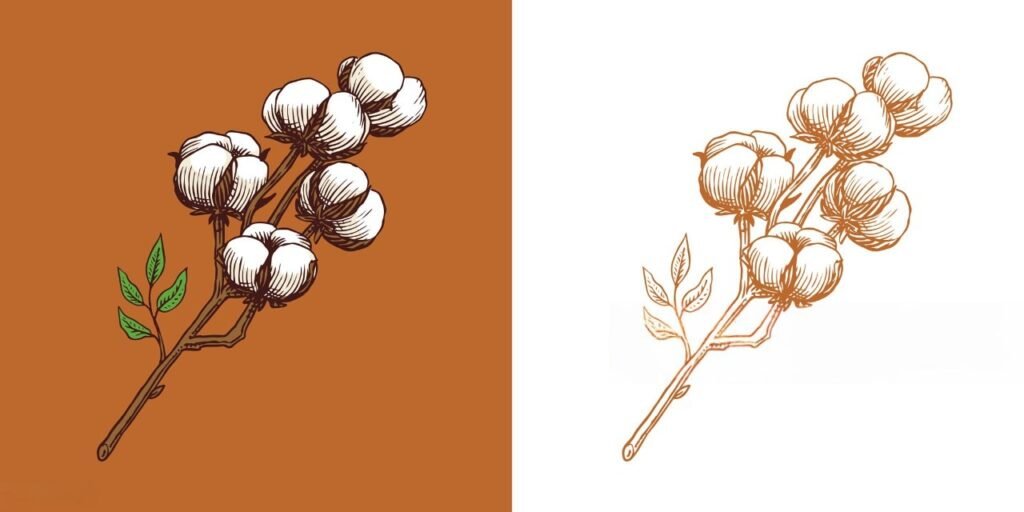
Let me paint a picture for you. When you think of “regular cotton,” you probably think of a white t-shirt. Soft. Natural. Pure. But here is the story nobody tells you when you’re ripping the tags off a $30 sheet set at a big-box store.
Regular cotton—the stuff that fills 90% of the bedding market—is a chemical bath wearing a disguise.
It starts in a field that looks green and lovely. But here’s the first secret: Conventional cotton is one of the dirtiest crops on planet Earth. I’m not being dramatic. According to the textile industry’s own leaked reports (which I spent a whole weekend down a rabbit hole reading), conventional cotton uses about 16% of the world’s insecticides. Sixteen percent. That’s more than any other single crop.
But it’s not just the bugs they’re killing.
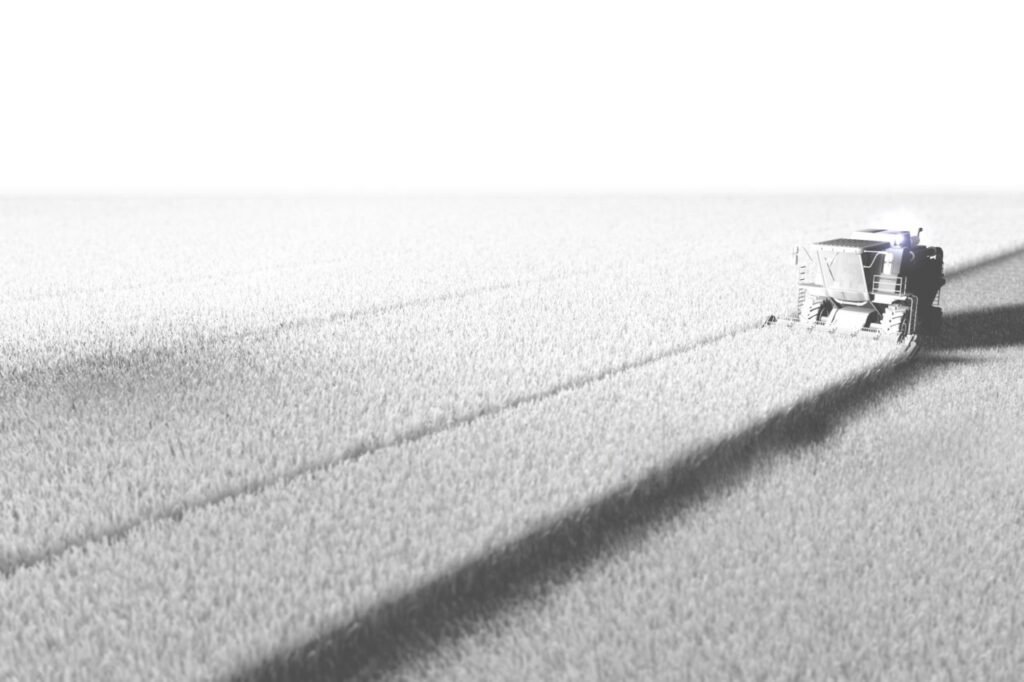
To make the harvesting process easier, they spray the entire plant with a chemical defoliant—usually something called glyphosate or paraquat. This forces the plant to drop all its leaves at once so the mechanical pickers can swoop in and grab only the fluffy bolls. Efficient? Yes. Disturbing? Absolutely. You are sleeping on a plant that was chemically forced to undress itself.
Then the real transformation happens.
The raw cotton fiber is scoured with caustic soda (sodium hydroxide). It’s bleached with chlorine or hydrogen peroxide. Then—and this is the kicker—it’s treated with formaldehyde-based resins to make it “easy care” (wrinkle-resistant). Urea-formaldehyde is added to make it “durable press.” Heavy metals like cobalt and copper are used for certain dyes.
I actually tried to pronounce some of these chemicals out loud to my partner one night. He looked at me like I was speaking a dead language. But here is the thing: Your skin is your largest organ. It absorbs. It drinks. And when you sweat at 2 AM, that moisture wicks into the sheet, loosens those chemical bonds, and delivers a micro-dose of that finishing resin straight into your pores.
That heat rash I mentioned? My dermatologist later told me it was likely contact dermatitis from the formaldehyde resins. Formaldehyde. The stuff they preserve dead frogs with.
Enter the Rebel: Organic Cotton
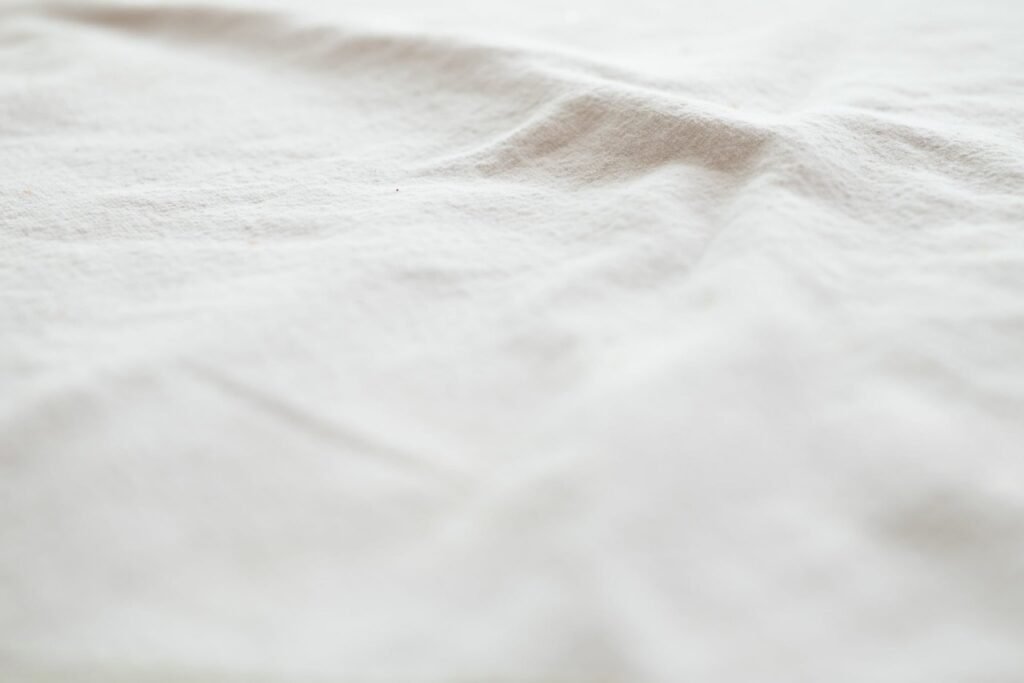
Now, let me tell you about the first time I bought an organic cotton bedsheet. I was skeptical. I’d been burned (literally) by cheap marketing before. You see “organic” on a bag of lettuce and it costs double. I figured bedsheets would be the same scam.
I ordered a fitted sheet from a brand that showed actual farmers on their website—not models in lab coats, but real weathered faces and muddy boots. It arrived in a plain cardboard box. No plastic. No glossy inserts. The moment I pulled it out, I felt the difference.
It wasn’t “slick.” It wasn’t “silky.”
It was substantial. It had a weight to it—not heavy, but solid. Like the difference between a handshake from a politician and a handshake from a carpenter. I held it up to the window. The weave was slightly irregular. There was a tiny, barely-there speck of brown in one seam (a remnant of the plant’s husk, I later learned). In the factory-sheet world, this would be a “defect.” In the organic world, it was proof of authenticity.
I washed it that night—no harsh detergent, just a cup of white vinegar and some baking soda (an old trick from my grandmother). When I pulled it out of the dryer, it hadn’t just survived the wash. It had bloomed. The fabric relaxed. The fibers expanded. It felt like something alive.
That first night on the organic sheet was genuinely strange. I kept waking up because I was too comfortable. My brain wasn’t used to the absence of friction. I wasn’t tossing and turning. I wasn’t overheating. I woke up the next morning and realized I hadn’t moved at all. My body had just… stopped fighting the bed.
The Deep Dive: Why Your Grandma’s Sheets Were Better
Here’s a history lesson nobody asked for but everybody needs.
My grandmother, God rest her, had these linen-cotton blend sheets from the 1970s. They weren’t soft in the way a polyester microfiber sheet is soft. They were soft in the way a river rock is soft after being tumbled for a decade. They had texture. They had memory.
When I asked her what brand they were, she laughed. “Brand? I bought the fabric from the mill and sewed the edges myself. It’s just cotton, honey.”
Just cotton.
That phrase stuck with me. Because somewhere between 1970 and 2024, we lost the meaning of “just cotton.” We replaced it with “performance cotton.” “Blended cotton.” “Percale that feels like plastic.”
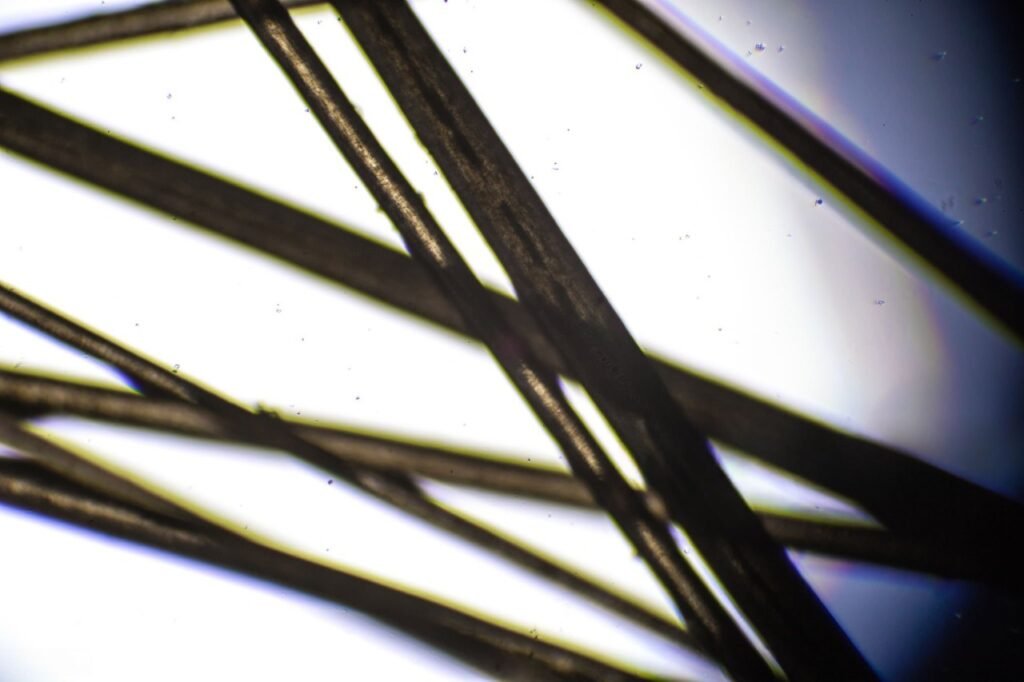
Organic cotton, I discovered, is the closest thing to my grandmother’s sheets. It uses long-staple fibers. In regular cotton production, the fibers are short—because the chemical defoliants and high-speed harvesting break them. To make short fibers into yarn, manufacturers have to twist them tighter and coat them with starches and sizing agents. That’s why new conventional sheets feel stiff and chemical-treated.
Organic cotton, because it’s handled gently, retains its long fibers. The yarn is spun looser, the weave is cleaner, and there’s no chemical “sizing” to wash off. It arrives at your door ready to be exactly what it is: plant fiber, woven into rest.
The Price Tag Panic (And Why It’s a Lie)
Okay, let’s talk money. Because I know what you’re thinking. “This sounds great, storyteller, but I’m not rich.”
I get it. When I first started looking, an organic queen fitted sheet was $120. A conventional sheet set was $40. The math looks stupid. But here’s the math I actually did on my own spreadsheet (yes, I made a spreadsheet. I’m that person).
The $40 conventional sheet set lasted me 8 months before it pilled, faded, and got a weird permanent funk in the center. That’s $5 per month.
The $120 organic fitted sheet (just the fitted sheet, I admit) has lasted me 3 years so far. Zero pilling. No fading. The color is slightly less bright, but it feels *better* now than the day I bought it. That’s $3.30 per month. And it’s still going.
Conventional sheets are the dollar-store razor of the bedding world. Cheap upfront. Expensive over time. Painful in the middle.
But beyond the money, there’s the invisible cost. The cost I used to ignore.
I spent a Saturday afternoon watching documentary clips about the Aral Sea. You know, the one in Uzbekistan that’s almost completely dried up because they diverted rivers to irrigate conventional cotton? The Soviet Union turned an entire sea into a desert for cheap cotton. Now the wind picks up the exposed seabed—which is laced with pesticides and salt—and blows it across villages. The rate of throat cancer there is off the charts.
I’m not saying buying organic sheets will fix the Aral Sea. But I am saying that every time I choose a conventionally grown product, I am voting for that system. And I got tired of casting that vote in my sleep.
The Actual Practical Guide (Because You Need to Buy One)
After three years of obsession, trial, error, and returning six different “organic” sheets that were clearly lying, I’ve learned how to spot the real deal. Don’t make my mistakes.
First, ignore thread count. I know, I know. The marketing has drilled it into our heads that 1000 is god and 200 is garbage. But here’s the truth: Organic cotton is usually between 200 and 400 thread count. Why? Because the fibers are thicker and healthier. You cannot physically weave 1000 threads of thick organic cotton into one square inch without breaking your loom. If you see “1000 thread count organic cotton,” that cotton is either a lie or the threads are so micro-thin they’ve been chemically stripped of their integrity.
Second, look for certifications. Anyone can slap an “organic” sticker on a package. But there are three letters that matter: GOTS (Global Organic Textile Standard). That certification means the whole process—from the seed in the ground to the dye on the fiber to the social labor conditions in the factory—is organic and ethical. If it just says “100% organic cotton” but doesn’t have a GOTS label, be suspicious. Someone might have grown the cotton organically then bleached it with chlorine. That’s like growing an organic apple and then injecting it with Red #40.
Third, touch the fabric in person if you can. Organic cotton should feel matte. It should not be slippery. If it feels like a plastic bag or a raincoat, it has been treated with silicone softeners or petroleum-based finishes. Real organic cotton feels dry to the touch, even when it’s soft. It has what textile nerds call “hand feel”—a slight resistance when you rub it.
The First Night (A Personal Confession)
Let me end the technical stuff and bring you back to my bedroom.
It’s 11:47 PM on a Sunday. I’ve just finished a tense phone call with my brother. My jaw is clenched. My shoulders are up by my ears. My mind is spinning.
I pull back the covers of my organic cotton bed. The sheet is cool. Not air-conditioning cold, but the natural cool of plant fiber that breathes. I slide in. There’s no static shock (a pet peeve—synthetic sheets are static monsters). There’s no crinkling noise. It just… accepts me.
I lie there and realize something profound. The sheet is doing nothing. It is not wicking. It is not repelling. It is not performing. It is simply existing, and in its simple existence, it is allowing my body to do what it needs to do—cool down where I’m hot, warm up where I’m cold.
I fall asleep thinking about Harold, the farmer from the market. He told me something that I didn’t understand at the time. He said, “A regular cotton sheet is a promise broken. An organic sheet is a promise kept.”
He meant the promise between the earth and the plant. Between the farmer and the weaver. Between the thread and the skin.
Three years later, I finally get it. I’ve replaced every sheet in my house. I’ve thrown away the 1200-thread-count imposters. I’ve apologized to my skin. And I’ve saved money, slept better, and stopped waking up with rashes.
I’m not here to tell you to burn your current sheets. Use them until they disintegrate. But when it’s time to buy new ones? Do yourself a favor. Buy the real thing. Buy the cloud that isn’t poisoned.
Your future 2 AM self will thank you.
Frequently Asked Questions (The Short Version)
1. Isn’t all cotton natural? What’s the actual difference between regular and organic?
Great question. “Natural” just means it came from a plant. But regular cotton is grown with synthetic pesticides, defoliants, and fertilizers, then processed with chlorine bleach, formaldehyde, and heavy metals. Organic cotton is grown without those chemicals and processed with hydrogen peroxide (which breaks down into water and oxygen) or no bleach at all. One is a plant with a chemical cocktail. The other is just a plant.
2. Will organic cotton bedsheets feel rough or scratchy compared to high-thread-count conventional sheets?
No—but they will feel different. Conventional sheets often feel artificially slick because they’re coated with silicone or chemical softeners. Organic cotton feels dry, matte, and crisp at first. But after 5-10 washes, it becomes incredibly soft—a softness that comes from the fiber itself, not a chemical coating. That softness also lasts for years, unlike the chemical softness that washes out in two months.
3. Are there any downsides to organic cotton bedsheets?
Honestly? Three small ones. First, they wrinkle more easily because they don’t have formaldehyde resin. (Solution: Embrace the wrinkles, or pull them out of the dryer immediately.) Second, the color selection can be more limited because they use natural or low-impact dyes. Third, the upfront cost is higher—but as I showed in my spreadsheet, they last 3-5 times longer. The only real downside is that after you switch, you’ll become unbearably snobby about hotel sheets.