The 100-Wash Journey: Why Linen Sheets Are the Investment That Keeps Giving
It was 2:00 AM, and I was lying in a friend’s guest room, staring at the ceiling, wondering why I couldn’t sleep. The sheets were crisp, almost papery, and every time I moved, they made that crinkly sound that announces to the entire room that you’ve decided to roll over. I was hot, then cold, then hot again. My skin felt clammy, and my mind was racing through tomorrow’s to-do list instead of drifting off to dreamland.
Morning came, and over coffee, I mentioned my restless night. My friend laughed. “Ah, you got the guest room with the new cotton sheets. Sorry about that. Come feel ours.”
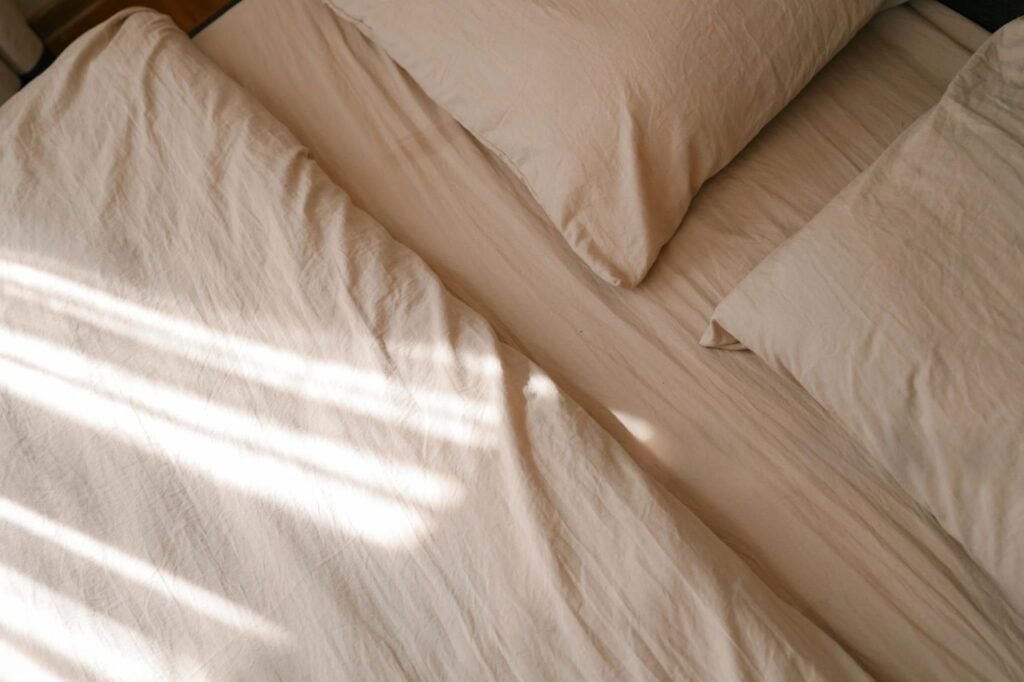
She led me to her bedroom, and she pulled back the duvet. The sheets underneath looked rumpled, slightly wrinkled, and gloriously lived-in. They had a soft, matte glow and a texture that seemed to invite touch. I ran my hand across the fabric, and it felt like nothing I’d ever encountered—cool, smooth, substantial, and yet impossibly gentle against my skin.
“Linen,” she said. “And they get better every time I wash them.”
That moment changed everything. Three years later, I’m writing this from my own bed, wrapped in linen sheets that have survived over a hundred washes. And let me tell you, the journey from that first night to where we are now has been nothing short of remarkable.
The First Night: The Honest Beginning
Here’s the thing about linen that nobody seems to warn you about—it arrives with honesty. Not pretension, not manufactured softness. Just honest, slightly crisp, beautifully structured fabric that knows exactly what it is and doesn’t pretend to be anything else.
When I unboxed my first set of linen sheets, I’ll admit, I was nervous. My friend’s sheets were so impossibly soft, and what if mine never got there? What if I’d just spent a small fortune on bedding that would feel like a canvas tent forever?
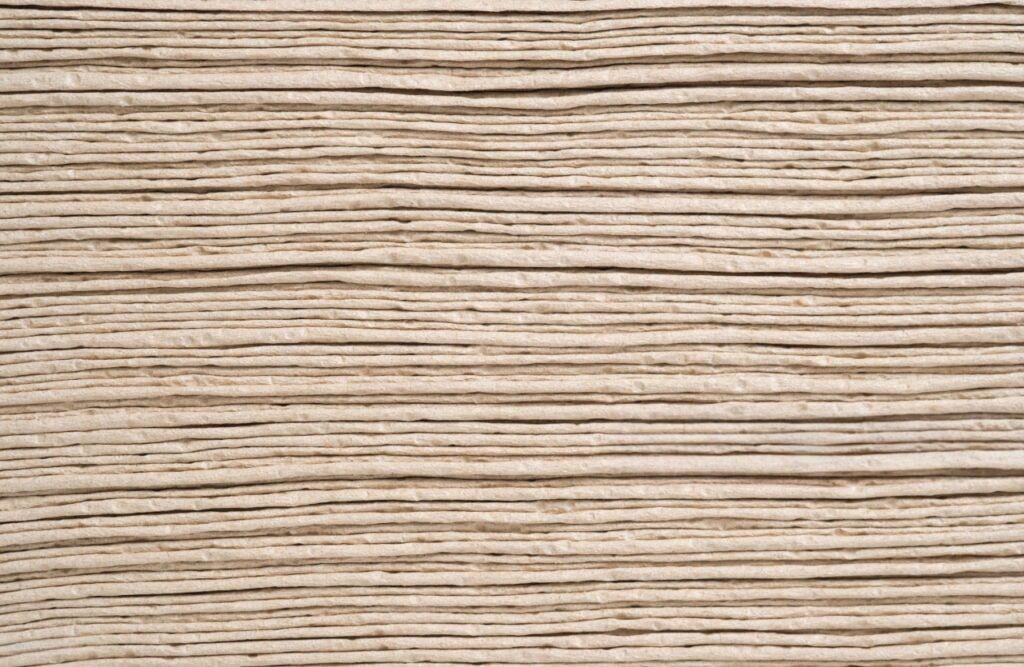
The first night was an adjustment. The sheets had a crispness to them, a firm hand feel that took some getting used to. The edges of the fitted sheet felt structured, almost architectural. And the creases—oh, the creases. They were sharp, angular, nothing like the soft, rumpled look I’d fallen in love with at my friend’s house.
But here’s what I noticed that first night, even through the crunchiness—the breathability. Linen is nature’s temperature regulator. Those hollow flax fibers create tiny air pockets that allow heat and moisture to escape. I didn’t wake up at 2:00 AM sweating. I didn’t throw off the covers because I was too hot or pull them back because I was too cold. I just slept.
That was the first clue that this investment was going to be worth it.
Wash Number 1: The Beginning of the Transformation
After that first week, I washed the sheets for the first time. I’ll be honest—I was terrified. Everything I’d read warned about linen shrinking, about how it could lose up to 10% of its length if you weren’t careful. I triple-checked the care label, set my machine to cold water and a gentle cycle, and held my breath.
The sheets that came out of the dryer were different. Still crisp, yes, but something had shifted. The fabric felt more pliable in my hands, more forgiving. The creases that had been so sharp and angular were now softer, more natural-looking. The bed looked more inviting, even with minimal styling.
What I didn’t know then was that I was witnessing the beginning of linen’s magic. Flax fibers contain a substance called pectin, which is partly responsible for that initial stiffness. Pectin is water-soluble, meaning it dissolves with washing. Every time you wash your linen sheets, a little more of that pectin washes away, and the fibers relax a little more.
It’s not a quick process. But that’s the beauty of it. You’re not just washing sheets—you’re breaking them in, the way you would a pair of perfect leather boots or a well-made denim jacket.
Wash 3 to 5: The Real Shift
By the time I reached washes three through five, I started to understand why people rave about linen. This was where the real transformation happened.
The fabric became softer at all the contact points—the pillowcases where my face rested, the fitted sheet where I curled up, the flat sheet that cocooned me. The drape was different, too. The fabric hung more settled at the mattress edge, with a composed finish that didn’t need to be perfectly straightened to look good.
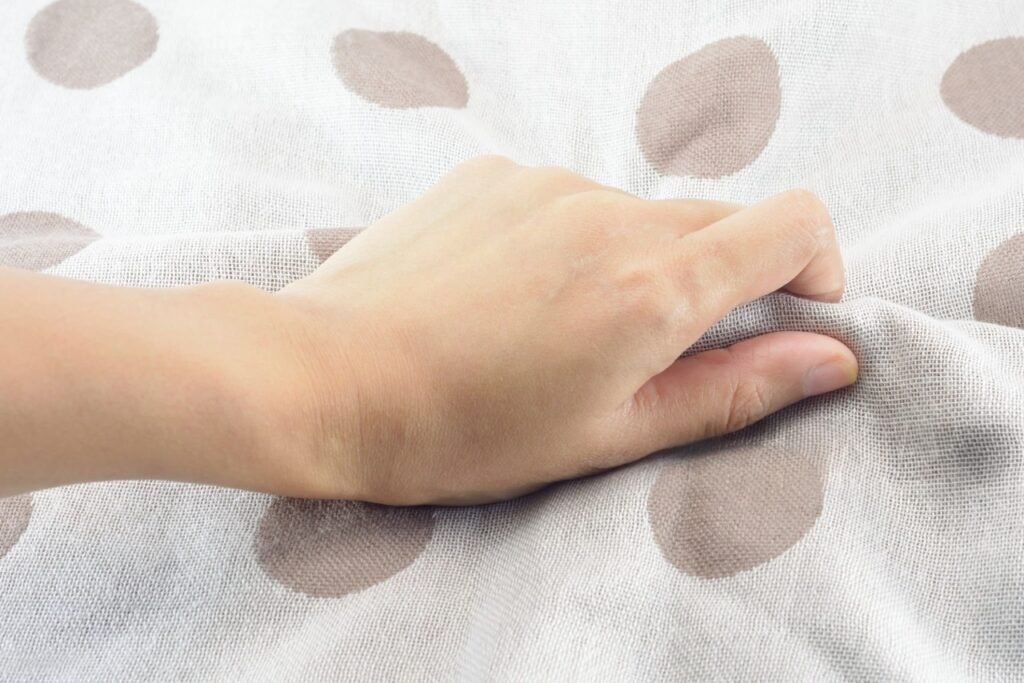
I remember running my hand across the pillowcase one morning and thinking, “Oh. Oh, this is what it’s supposed to feel like.” It wasn’t the cloud-like softness of a synthetic blend. It was a deeper, more substantial softness—the kind that feels earned, not manufactured.
The secret during these early washes is surprisingly simple: don’t sabotage your linen with fabric softener. I know, it sounds counterintuitive. Fabric softener is supposed to make things soft, right? Wrong. Fabric softener coats the fibers with a waxy residue that prevents linen from reaching its full softness potential. It also reduces breathability, which defeats one of the main reasons you bought linen sheets in the first place.
Instead, use a mild liquid detergent, wash on cold or lukewarm water, and give your sheets room to move in the washer. Linen needs space to breathe and flex—overcrowding it in the machine creates friction that can damage the fibers over time.
Wash 10 to 20: The Comfort Zone
Between washes ten and twenty, my linen sheets entered what I call the comfort zone. This was when the fabric started to feel like a second skin.
The initial crispness was gone, replaced by a gentle, lived-in softness that somehow got better with each wash. The sheets no longer crinkled loudly when I moved. Instead, they made a soft, whispery sound that was almost soothing. The fabric had developed that subtle, matte sheen that signals well-aged linen.
I started noticing other things during this period. The sheets breathed even better than before. The weave had relaxed enough that air flowed through the fabric more freely, keeping me at the perfect temperature no matter what the season. In summer, the sheets felt cool against my skin. In winter, they somehow felt warm and cozy without being heavy.
This is one of linen’s superpowers. Those hollow flax fibers that make linen so breathable also trap warm air, creating a natural insulation layer. It’s nature’s climate control system, and it works beautifully once the fabric has relaxed into its proper form.
By this point, my confidence was growing. I had established a wash routine: cold water, gentle cycle, mild detergent, no fabric softener. I was air-drying about half the time and using the dryer on low heat when I was in a hurry. The sheets were holding up beautifully, and the slight shrinkage from that first wash (maybe 3-4%) had stabilized.
I was no longer worrying about ruining my investment. I was just enjoying it.
The 100-Wash Mark: Bedding Heaven
The other night, I was making the bed and stopped to appreciate what I was holding. These sheets have been washed well over a hundred times. They’ve survived my forgetful cat scratching at the edges, multiple spills, a few disasters with red wine, and countless nights of restless sleep. And they are more glorious than the day I bought them.
The texture now is indescribable. It’s smooth but not slick, cool but not cold, soft but not flimsy. The fabric has a substantial weight that feels luxurious without being heavy. The wrinkles that used to bother me now look intentional and charming—that beloved lived-in aesthetic that designers pay good money to replicate.
Running my hand across the pillowcase is like stroking a well-worn favorite shirt or a perfect pair of jeans. There’s a patina to the fabric, a richness that can’t be manufactured. It tells the story of every night I’ve spent reading in bed, every lazy Sunday morning, every deep conversation, every peaceful sleep.
This is the reward for patience. This is what people mean when they say linen gets better with age.
Here’s the thing about cotton sheets—they have a finite lifespan. The softness you feel on the first night is often their peak. Synthetic finishing agents give cotton that initial smoothness, but those agents wear off after a few washes, and the fabric starts to thin, pill, and lose its integrity.
Linen works in the opposite direction. Every wash removes a little more pectin, relaxes the fibers a little more, and makes the fabric softer and more comfortable. At the 100-wash mark, linen is just hitting its stride.
The durability is extraordinary. Linen is about 30% stronger than cotton, thanks to its bast fiber structure—long, densely packed cells that resist tearing and pilling. While cotton sheets might need replacing every two to three years, a well-maintained set of linen sheets can last for decades. Some linen bedding has been passed down through generations.
When I do the math on my investment, it’s stunning. That initial price tag that made me hesitate? It now looks like a bargain. I’ve spent far more replacing cotton sheets that wore out after a few years than I spent on this one set of linen that’s still going strong after hundreds of washes.
The Care Routine That Got Me Here
I’m often asked how I’ve kept my linen sheets looking and feeling so good. The answer is simple but requires consistency:
Washing: I wash my sheets in cold or lukewarm water on a gentle cycle. Hot water can cause shrinkage and damage the fibers, so I avoid it at all costs. I use a mild liquid detergent—nothing harsh, nothing with bleach or optical brighteners.
Drying: Air drying is ideal. I hang my sheets outside in the shade, which prevents the sun from fading the color and weakening the fibers. When I’m in a hurry, I use the dryer on low heat, removing the sheets while they’re still slightly damp to minimize wrinkles. I never use high heat—that’s how you turn beautiful linen sheets into miniature versions that don’t fit your bed anymore.
No fabric softener: I can’t emphasize this enough. Fabric softener is the enemy of good linen. It coats the fibers with a residue that traps dirt and prevents the fabric from breathing and softening properly.
Rotation: I have two sets of linen sheets that I rotate weekly. This gives each set time to rest between washes and extends the life of both.
Patience: Probably the most important ingredient. Linen doesn’t give you everything on the first night. It asks you to trust the process, to be patient, to believe that the fabric knows what it’s doing. And it rewards that patience in spades.

What You Should Know Before You Buy
If I’m making linen sound like the perfect bedding material, that’s because it pretty much is—for the right person. But there are a few things you should know before you invest.
Linen is expensive. A quality set of linen sheets can cost anywhere from $200 to $500, depending on the brand and source. This is not an impulse purchase. The cost reflects the labor-intensive process of harvesting and processing flax, which is more difficult and time-consuming than cotton production.
Linen starts crisp. Don’t expect cloud-soft sheets on the first night. Linen takes time to break in, and that initial crispness is normal. Some manufacturers offer pre-washed or garment-washed linen that starts softer, but even then, the fabric will continue to improve with use.
Linen wrinkles. If you’re the type of person who needs perfectly smooth, ironed bedding, linen might drive you crazy. Those wrinkles are part of the aesthetic—they give linen its casual, lived-in charm. Most linen lovers embrace the wrinkles as a feature, not a bug.
Linen requires careful washing. You can’t just toss it in with the rest of your laundry, blast it on hot, and hope for the best. Linen needs gentle care to reach its full potential. But that care is simple and well worth the effort.
Linen is worth it. For hot sleepers, for people with sensitive skin, for anyone who wants to make one smart investment in their sleep quality rather than constantly replacing cheaper alternatives—linen is the answer.
Frequently Asked Questions
Why do my new linen sheets feel rough, and when will they get soft?
It’s completely normal for new linen sheets to feel crisp or structured. This initial texture comes from natural pectin in the flax fibers. Most people notice a significant softening after 3 to 5 washes, and the fabric continues to improve with each subsequent wash. Avoid fabric softener, which can coat the fibers and prevent them from softening properly.
What’s the right way to wash linen sheets to make them last?
Wash your linen sheets in cold or lukewarm water on a gentle cycle with a mild liquid detergent. Avoid using fabric softener, bleach, or harsh chemicals. Air dry in the shade when possible, or tumble dry on low heat and remove the sheets while still slightly damp to minimize wrinkles. Hot water and high heat can cause permanent shrinkage and fiber damage.
Is linen really worth the higher price compared to cotton?
Yes, for most people who value long-term quality. While linen has a higher upfront cost, its durability means it can last for decades with proper care. A $400 set of linen sheets might cost more than a $100 cotton set, but when the cotton sheets need replacing every 2-3 years, the linen quickly becomes the more economical choice. Plus, linen gets softer with age while cotton typically peaks early and degrades over time.