The Thread That Binds Us
An Honest Tale of Two Cottons
It was a Thursday evening, the kind of quiet night where the hum of the city fades into the background, and I found myself tucked into bed, scrolling through the endless abyss of online shopping. The algorithm, as it always does, had decided I was in the market for new sheets. There they were, gleaming in the digital window: “Luxury Egyptian Cotton Sateen—The Softest Sheets You Will Ever Own.” A few scrolls down, another offer: “Supima Pima Cotton—The American Rival to Egyptian Luxury.” The prices were nearly identical, the marketing equally hyperbolic, and the side-by-side comparison made my head spin.
I stared at the screen, wondering if I was alone in this confusion. What makes one cotton more “royal” than another? Is “Egyptian” just a fancy word to make us pay more, or is there actual science in the soil of the Nile? Is “Pima” a worthy successor or simply a clever copycat?
This isn’t just a question of thread count. It’s the story of two empires of fiber, one ancient and one modern, both vying for the honor of being your favorite shirt, your most comfortable sheets, and the towel you reach for after every shower. So, I turned off the phone, brewed a pot of coffee, and went down the rabbit hole. What I found wasn’t just a comparison of staple lengths; it was a story of history, marketing, and the very nature of how we define quality. This is the truth about Egyptian Cotton and Pima Cotton, from the fields to the fabric.
The Anatomy of a Fiber: Why Length Matters
Before we talk about Egypt or the United States, we have to talk about the thread itself. The quality of any fabric isn’t just about the material; it’s about the length of the fibers that make up the yarn.
Think of it like building a chain. If you have short links, you need more links to reach the end. Each link is a weak point where a break can happen. If you have long, sturdy links, you need fewer to create a strong, smooth, and durable chain.
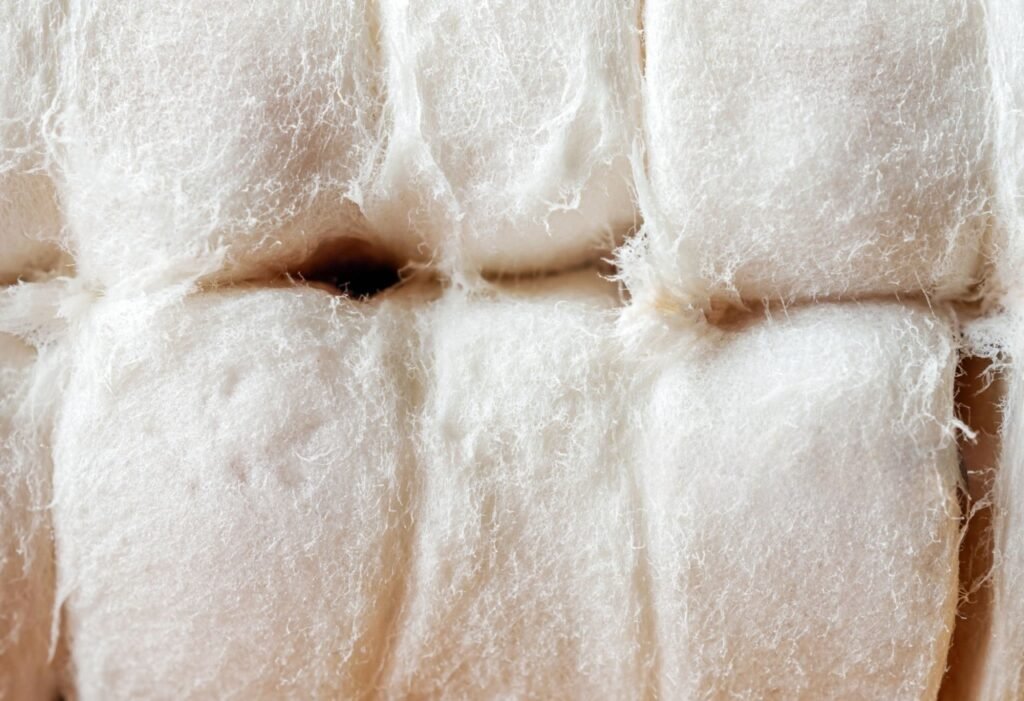
This is the essence of cotton quality. Most of the world’s cotton, known as Upland cotton, has a short staple length—fibers that are usually about 25 to 28 millimeters long . These shorter fibers mean that when they are spun into thread, there are many more ends sticking out. This creates a fabric that, while durable in its own right, can feel a bit rough, pill easily, and won’t have that silky sheen we associate with luxury.
Then, there is the royalty of the cotton world: Extra-Long Staple, or ELS. These are the fibers that measure over 34 millimeters . They are the ones used to make the finest fabrics in the world, and they allow for a much higher “thread count” per square inch, which often translates to a softer, more breathable, and stronger material . When you touch a high-quality sheet and it feels like it’s going to melt into your skin, it is because there are so few fiber ends sticking up to irritate you.
Both Egyptian and Pima cotton belong to the same elite botanical species, Gossypium barbadense . This is the species famous for producing the longest, strongest, and finest fibers in the world. So, at their genetic core, they are siblings. But, like all siblings, they have their distinct personalities, shaped by the environment they were raised in.
The Ancient One: Egyptian Cotton
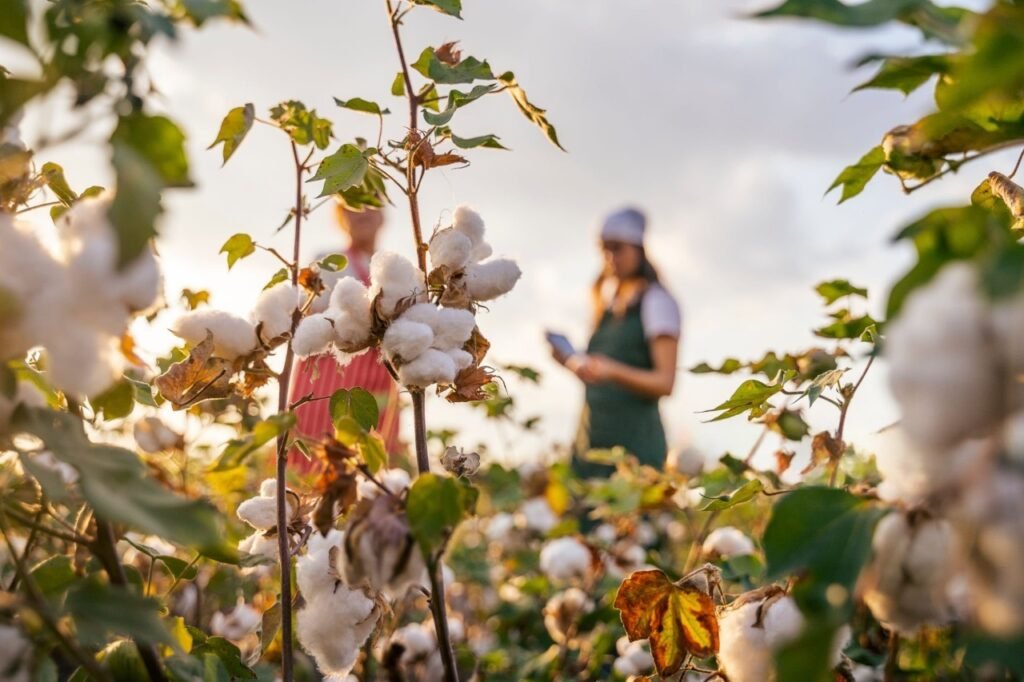
To understand Egyptian cotton, we must look to the Nile. Cotton has been cultivated in Egypt for millennia, but the modern concept of “Egyptian cotton” as we know it is generally traced back to around 1820 . It was a pivotal moment when a specific seed was planted, one that would eventually create the fiber that became synonymous with luxury around the world. For over a century, Egyptian cotton enjoyed a world-wide reputation as being the gold standard of lint quality .
The Nile River Valley provides the perfect environment for this specific cotton. The rich, mineral-laden soil, created by millennia of floods, acts as the perfect nutrient bed for the cotton plants. The humidity in the air near the river keeps the fibers supple and long as they grow. Egyptian cotton is often still hand-picked, which is crucial . When you hand-pick cotton, you can carefully select the bolls just at the right moment of ripeness, and you ensure that the long, delicate fibers aren’t broken by harsh machinery. This careful treatment contributes to the reputation of Egyptian cotton having a silky smooth hand-feel that is incredibly durable. In fact, some yarn quality studies show that specific varieties of Egyptian cotton, like Giza 45, can be longer, stronger, and finer than even the best Pima .
Because of this legacy and its specific cultivation methods, Egyptian cotton developed an aura of mystique. It became the material of kings, the fabric of five-star hotels, and the ultimate status symbol for a well-made home.
However, with great fame comes great fraud. The Egyptian cotton name is one of the most misleading terms in the textile industry . Because the term “Egyptian cotton” refers to the origin of the cotton, not its quality, it has been exploited. A study found that a huge percentage of products labeled “Egyptian Cotton” in stores contain very little, if any, of the genuine long-staple cotton from Egypt . Manufacturers and retailers can get away with slapping the label on lower-quality, short-staple cotton that just happens to be grown in Egypt or even longer-staple cotton grown elsewhere, tricking customers into paying a premium for what is essentially plain cotton.
This has led to a crisis of trust. How can you be sure you are getting the real deal? The only way to be certain is to look for the “Cotton Egypt Association” (CEA) license. This independent certification acts like a hallmark, verifying that the cotton is truly the ELS quality associated with Egyptian luxury . Without this certification, you are taking a gamble.
The New World Contender: Pima Cotton
The story of Pima cotton is uniquely American. In the early 1900s, the U.S. was heavily reliant on Egyptian cotton imports for high-strength applications, such as tire cords for the burgeoning automobile industry and high-quality sewing threads . When supply lines were threatened, the U.S. Department of Agriculture knew they had to create a domestic source of this Extra-Long Staple cotton.
The problem? Egyptian cotton is picky. It wouldn’t grow in the humid, rain-soaked South. The USDA realized that the dry, hot climate of the American Southwest, with its long growing season and the ability to control water through irrigation near the Colorado River, was very similar to the Nile River Valley . So, in 1900, they began their experiments in Yuma, Arizona .
They crossed Egyptian varieties with Sea Island cotton to create a hybrid that could thrive in this new environment. The result was a beautiful ELS cotton. But what to call it? The experimental farms were often tended by the Native American tribes of the area, specifically the Pima Indians, who helped cultivate these first new crops on the Gila River Indian Reservation . To honor their work, the USDA named the new cotton “Pima” in the early 20th century .
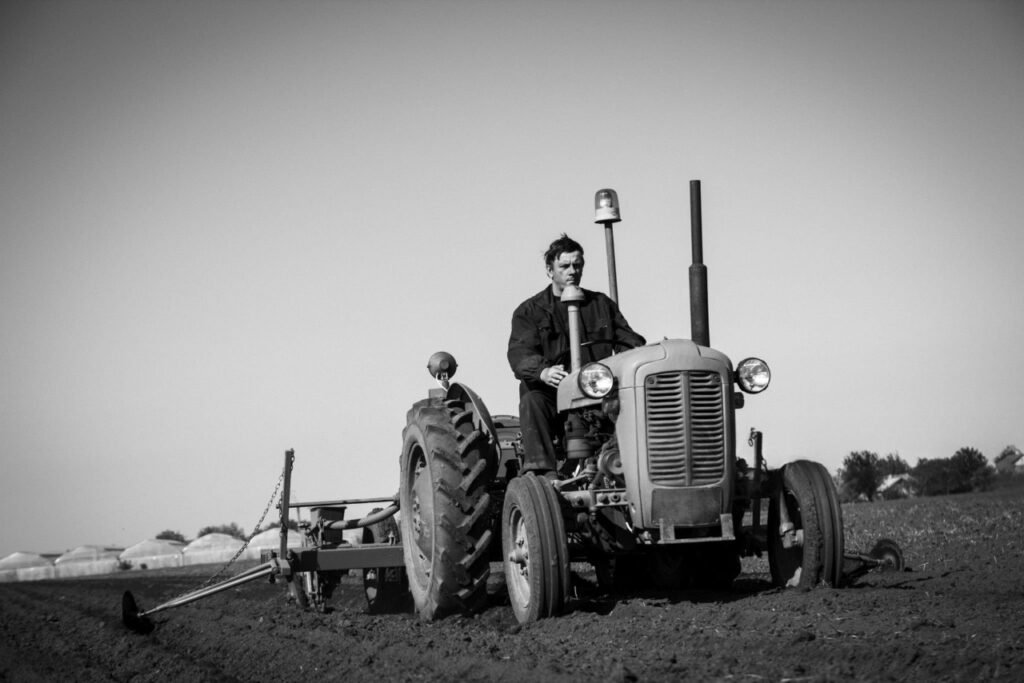
Pima cotton has the same luxury properties as Egyptian cotton: long, silky fibers, incredible durability, and a soft hand-feel that improves over time. But it was grown in a different way, often with more mechanical processes (though Supima is also hand-picked), and it didn’t have the same 2,000-year-old marketing story . It was the New World counterpart to the Old World’s legacy. In the early days, Pima was a star. During World War I, it became a domestic hero when the Goodyear Tire & Rubber Company, desperate for materials, started growing it on a massive scale to supply the war effort .
But Pima cotton also faced challenges. Its prices were volatile, and at times the industry nearly went extinct . To bring stability and quality control to the market, the Supima Association was formed. Supima is not a different type of cotton; it is a trademark, a certification. When you see the Supima label, you are guaranteed that the cotton is 100% American-grown Pima cotton, of verified Extra-Long Staple quality. It is the closest thing to a guarantee that you are getting a genuine ELS product .
As one agriculture expert pointed out, asking “What’s so good about Egyptian cotton?” might just be marketing . The quality of Pima, especially Supima, is arguably just as good, if not more reliable, because the supply chain is so tightly controlled.
The Verdict: The Showdown of the Sheets
So, we return to that Thursday evening online shopping question. Which is actually better? The answer, as it so often is, is more complicated than a simple label.
Let’s break it down:
The Myth of the Label: The fundamental problem is that the comparison is often unbalanced. “Egyptian Cotton” is a geographic term that has been abused to the point of meaninglessness, while “Pima” is a term that sometimes implies a specific quality, especially when it’s “Supima” certified. Without the CEA or Supima certification, you are buying a promise, not a product. The marketing of Egyptian cotton is often based on the image, while Supima is based on provable data .
The Feel: Both are incredibly soft. The experience you get in the store is the difference between a sateen weave and a percale weave. Sateen weaves make the sheets feel silky and heavy; percale weaves make them feel crisp and cool. A high-quality Pima and a high-quality Egyptian will both perform beautifully in either weave .
Durability: This is where the extra-long staple length shines. Fewer fiber ends mean fewer weak points, which means less pilling, less breaking, and a longer lifespan. Both are highly durable; however, the slightly longer fibers found in the very best varieties of Egyptian Cotton (like Giza 45) might, in scientific tests, give it a minute advantage in strength . In the real world, the difference is negligible. Both will last for years.
Price: Generally, Supima Pima is slightly more affordable than genuine, certified CEA Egyptian cotton . This is largely due to marketing. Since Egyptian has a bigger history, it commands a higher price point.
[Placeholder Image: A cozy shot of a neatly made bed with a pile of pillows, highlighting the crisp, clean, and luxurious look of high-quality cotton sheets.]
How to Buy the Good Stuff
We are all trying to make our homes a little nicer, a little more comfortable. It’s a quest for those small luxuries that make the day better. So, how do you ensure you are actually buying the good stuff and not just a marketing gimmick?
Look at the fine print.
- Look for the certification: For Egyptian cotton, look for the “Cotton Egypt Association” (CEA) label . For American cotton, look for the “Supima” trademark . These are not just stickers; they are audits. They guarantee the supply chain from the seed to the sheet.
- Be wary of generic terms: “Egyptian Cotton” written in beautiful script, “Luxury Cotton,” or “Long-Staple Cotton” are often just fluff. If they don’t have the certification, they might be hiding a lower-quality product.
- Thread count is less important: The industry has trained us to worship “thread count,” but high-quality cotton doesn’t need a 1200 thread count to be good. A 300-thread-count single-ply sheet from true ELS cotton will feel much better than a 1000-thread-count sheet from short-staple cotton that is made of weak multi-ply threads. The fiber quality matters more than the number.
At the end of the day, whether you sleep on the ancient heritage of the Nile or the American ingenuity of the Southwest, you are looking for the same thing: comfort, durability, and a little bit of magic in your everyday life. The “best” one isn’t about geography; it’s about quality control. The safest bet is the one with the guarantee. Let the story of these cottons teach us that luxury is not just where you come from, but how you are made.
Frequently Asked Questions (FAQs)
1. Is Egyptian cotton a specific type of cotton, or just cotton from Egypt?
It’s both. The term literally means cotton grown in Egypt, which should be of the Extra-Long Staple (ELS) species Gossypium barbadense. However, the name has become a marketing buzzword, and many products labeled “Egyptian Cotton” are made with shorter, lower-quality fibers. Look for a Cotton Egypt Association (CEA) certification to ensure you are buying genuine ELS Egyptian cotton .
2. What is the difference between Pima and Supima cotton?
This is a common point of confusion. “Pima” is the name of the cotton variety grown in the U.S. and other countries. “Supima” is a trademark and certification. Supima guarantees that the cotton is 100% American-grown Pima cotton of Extra-Long Staple quality. All Supima is Pima, but not all Pima is Supima-certified .
3. So, which is better: Egyptian cotton or Pima cotton?
The honest answer is: neither is inherently “better” when you are comparing genuine, certified versions of both. They are both premium ELS cottons with incredible softness and durability . The “better” choice often comes down to your budget (Supima is usually slightly less expensive) and how much you trust the labeling. Due to widespread fraud with the Egyptian name, a certified Supima product is often the safer guarantee of quality .