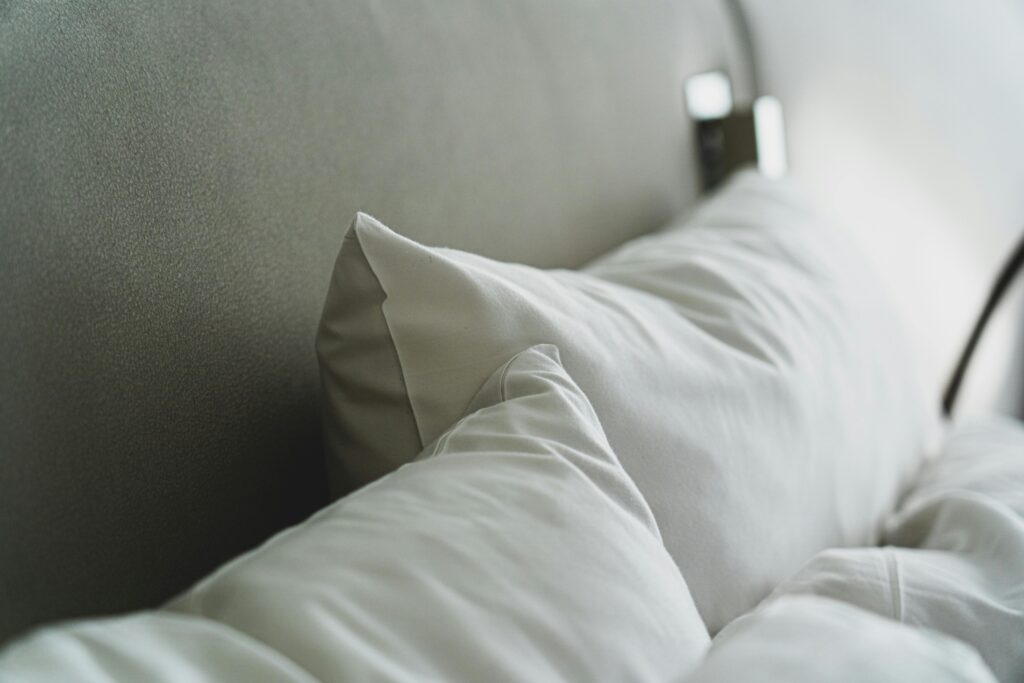
“Discover the art of caring for your cotton sheets. This heartfelt guide goes beyond basic instructions, telling a story of how gentle washing, proper drying, and mindful rituals can transform your bedding into a lasting sanctuary for perfect sleep. Learn the secrets to keeping sheets soft, crisp, and beautiful for years to come.”
The gentle morning sun spilled through my bedroom window, landing in a warm patch right on my cheek. I stretched, a slow, luxurious unfurling of limbs, and for a moment, just before I was fully awake, I felt like I was sleeping on a cloud. It was a simple, profound luxury. But it wasn’t always this way.
Premium Microfiber Printed Fitted Sheet

I remember the day I decided enough was enough. I’d invested in a beautiful set of 100% Egyptian cotton sheets, the kind that feel impossibly soft in the showroom. After a few months, that dream had faded. They’d gone from buttery soft to vaguely scratchy. They’d developed a greyish tinge, a sad shadow of their former brilliant white. They’d pilled, those annoying little bobbles of fabric that feel like sandpaper against your skin. I was heartbroken. I’d treated them like I’d treated every other sheet I’d ever owned, and they had, quite frankly, given up on me.
Huma Linen Fitted Sheet Set – Grey Stripes, Micro Cotton
That’s when my grandmother came to visit. She took one feel of my sorry-looking sheets and chuckled. “Cotton,” she’d said, in that knowing way of hers, “is like a good friend. It needs conversation, not shouting. It needs gentle care, not a battle.”
Her words stuck with me. I embarked on a mission, a deep dive into the world of textiles, talking to experts, reading old homemaking books, and conducting my own experiments. I learned that caring for cotton sheets isn’t a chore; it’s a ritual. It’s a quiet conversation between you and the very fabric that cradles your dreams. And the reward for speaking its language is a bed that feels like a sanctuary, night after night, year after year.
Premium Microfiber Printed Fitted Sheet
This is the story of what I learned.
The First Chapter: A Meeting of Minds – Understanding Your Cotton
Aqua Island Poly Cotton – FD Bedsheet Set
Before you can even think about water temperature or detergent, you have to understand who you’re dealing with. Cotton isn’t just a generic fabric. It’s a living, breathing entity, in a sense. Each cotton fiber is a tiny, hollow tube, a natural polymer that loves to absorb moisture. When you sleep, these fibers absorb the moisture from your body, keeping you cool and dry. But this very quality is what makes it vulnerable.
Premium Microfiber Printed Fitted Sheet
Think of each new cotton fiber as a smooth, sealed straw. With proper care, those straws stay smooth, allowing light to reflect evenly off their surface, which is what gives high-quality cotton its beautiful, subtle luster. With harsh treatment, those straws get roughed up, frayed, and broken. Light scatters instead of reflecting, and the sheet loses its sheen and becomes dull. The fibers break and tangle, forming pills.
Luxury Bed Spread 3 Pcs
Then there’s the weave. You’ve likely heard terms like “percale” and “sateen.” These aren’t just marketing words; they are fundamental personalities.
Percale is the classic. It’s a simple, one-over, one-under crisscross weave. It’s matte, crisp, and cool to the touch. It’s your reliable, no-nonsense best friend who is always there with a cool drink on a hot day. It loves a good, firm starching (figuratively speaking) and responds beautifully to crisp, hot washing.
Sateen, on the other hand, is the glamorous one. It’s woven in a way that allows more threads to surface on top, often in a three-over, one-under pattern. This gives it a silky, lustrous feel and a beautiful drape. It’s warmer and heavier than percale. But that luxurious surface is more delicate. It can be prone to snagging and requires a slightly more gentle touch.
Premium Microfiber Printed Fitted Sheet
Understanding this—that you are caring for a delicate, absorbent structure—changes everything. You’re not just washing a sheet; you’re preserving an ecosystem of fibers.
The Ritual of Separation: A Prelude to the Cleanse
My old method was simple: strip the bed, gather a mountain of laundry, and dump it all in together. Whites, colours, towels, sheets—a chaotic soup of fabrics and filth. I was, I learned, committing laundry sacrilege.
Huma Linen Fitted Sheet Set – White Stripes, Micro Cotton
The first step in the ritual is separation. Your cotton sheets deserve their own space. Washing them with rough items like denim jeans, or heavy towels with zippers and hooks, is like sending a ballerina into a mosh pit. The abrasive surfaces act like sandpaper, grinding down the cotton fibers, causing pilling and premature wear.
Luxury Bed Spread 3 Pcs
And colours? A cardinal sin. Even the most “colorfast” dark items can release dye in a hot wash, which will be greedily absorbed by your thirsty white or light-colored cotton sheets, leaving them looking tired and dingy.

So, the ritual begins quietly, on laundry day. I gather the sheets and pillowcases, and they go into the machine alone. It’s their time. This isn’t inefficient; it’s respectful. It sets the tone for everything that follows.
The Heart of the Matter: The Wash Cycle as a Gentle Conversation
This is where the magic, or the ruin, happens. The washing machine can be a place of rejuvenation or a torture chamber. It all depends on the conversation you initiate.
Water Proof Mattress Cover
The Temperature Tango: The old rule of thumb was “hot water for whites.” It’s not wrong, but it’s not the whole story. Hot water (around 60°C or 140°F) is excellent for sanitizing and tackling heavy soil. For my crisp, white percale sheets, a hot wash every few cycles is a wonderful reset. It helps to dissolve body oils and sweat that cooler water can leave behind.
But for everyday washing, and especially for sateen or colored cottons, warm water (around 40°C or 104°F) is the sweet spot. It’s effective at cleaning without being overly aggressive. It prevents colors from fading and protects the delicate fibers of sateen weaves.
Cold water has its place too, especially for a quick refresh or for brightly colored sheets where you want to lock in the dye. But for truly clean sheets, warm water is generally your best bet. The key is to avoid very high temperatures consistently, as this can weaken the cotton fibers over time.
The Detergent Dialogue: If temperature is the volume of the conversation, detergent is the language. And here, less is almost always more.
I made the mistake of thinking more detergent meant cleaner clothes. I’d pour a generous capful, sometimes more if the sheets were particularly bad. What I was actually doing was creating a soapy residue that couldn’t be fully rinsed away. This residue traps dirt, makes fabrics stiff, and clogs those precious hollow cotton fibers, preventing them from breathing. It’s that residue that often makes sheets feel scratchy and look dull.
A liquid detergent is generally preferred over powder, which can sometimes not dissolve fully and leave white streaks. But the real secret, I discovered, is to use a minimal amount. For a standard load of sheets, you rarely need more than two tablespoons. For a high-efficiency (HE) machine, even less.
And what about bleach? Chlorine bleach is the sledgehammer of the laundry world. It will indeed make whites whiter, but it does so by breaking down the fibers. It’s a destructive relationship. If you need to brighten, opt for a oxygen-based bleach (like OxiClean) added to the wash cycle. It’s far gentler and doesn’t degrade the cotton in the same way.
The Cycle of Life: The final setting. Aggressive cycles like “Heavy Duty” are designed for things like covered-in-mud work clothes. Your sheets do not lead such a rugged life. The “Normal” or “Casual” cycle is perfectly adequate. But my favorite, the one that feels most like the “gentle conversation” my grandmother spoke of, is the “Delicates” or “Hand Wash” cycle. It uses a slower agitation and a gentler spin, treating the fibers with the respect they deserve. It takes a little longer, but good things, as they say, take time.
The Final Act: The Art of Drying
The wash cycle is complete. The machine beeps. Now comes a critical crossroads: the dryer or the line?
I’ll be honest, I love my dryer. The convenience is undeniable. But I’ve learned to use it wisely.
Tumbling on high heat is another great way to stress and shrink cotton fibers. It’s like blasting them with a desert wind. The key is low to medium heat. I always shake out my sheets before putting them in the dryer—this helps to reduce wrinkling. Throwing in a couple of dry, clean towels can also help to absorb moisture and speed up the drying time.
But the single best thing you can do for your sheets, and for your soul, is to take them out of the dryer before they are bone dry. Let them be just slightly damp to the touch. This is the perfect state for folding and, more importantly, for ironing if you choose to.

However, the true pinnacle of cotton sheet care, the moment where the magic truly happens, is on the clothesline. There is no substitute for line-drying. The fresh air is a natural sanitizer and deodorizer. The sun, even on a cloudy day, has a gentle bleaching effect that keeps whites bright without chemicals. But most importantly, the wind gives the sheets a softness that no machine can replicate.
Luxury Bed Spread 3 Pcs
I’ll never forget the first time I line-dried my rehabilitated sheets. I hung them on a breezy, sunny day. That evening, as I made the bed, the fabric felt different. It was soft, but with a unique, airy softness. It had a subtle, fresh scent that was nothing like “April Fresh” or “Mountain Breeze.” It was the scent of actual, real-world air and light. When I slipped into bed that night, it was like being wrapped in a fresh, clean sky. The fibers had been allowed to relax and contract naturally, and they thanked me for it with unparalleled comfort.
The Finishing Touch: To Iron or Not to Iron?
An ironed sheet is a thing of beauty. It’s the difference between looking tidy and looking polished. It’s the final, loving stroke in the ritual. But is it necessary? For the feel, not really. For the soul, absolutely.

Ironing does more than just press out wrinkles. The heat and pressure of the iron help to realign the cotton fibers, smoothing out the microscopic fraying and restoring that smooth, lustrous surface. It makes the sheets feel smoother and cooler against the skin.
Luxury Bed Spread 3 Pcs
I don’t iron my sheets every time. But when I do, I make it a ritual. I put on some music. I set up my ironing board by a window. I iron them while they are still slightly damp from the line or from a spritz of water. I use a medium-hot iron and glide it slowly, savoring the hiss of steam and the transformation of rumpled cloth into a pristine, flat landscape. It’s a mindful, almost meditative practice. The result is a bed that looks and feels professionally luxurious. It’s a statement of care.
A Rhythm of Care: The Bigger Picture
Washing is the core ritual, but the care of cotton sheets extends into the daily rhythm of your bedroom.
Green Flower Poly Cotton – FD Bedsheet Set
Rotate your sheets. If you have two sets, use them alternately. This gives the elastic in the fitted sheet time to rest and recover, significantly extending its life.
Make your bed loosely. Don’t tuck everything in tightly the moment you get up. Let the sheets air out for an hour or so. This allows the moisture from your body to evaporate, keeping the sheets fresher for longer between washes.
Store them properly. I fold my clean, beautifully cared-for sheets and place them in a cool, dry cupboard. I sometimes tuck a sachet of dried lavender in with them, not for overpowering fragrance, but for a hint of peaceful aroma.
The Circle Closes
The story ends where it began: in bed. But now, the experience is transformed. The journey from the field to the spindle to the loom, and finally to my home, is honored with every wash cycle, every line-drying, every careful fold.

My sheets are no longer just a commodity. They are a partner in rest. They are the first thing I feel at the end of a long day and the last thing I feel in the morning. The ritual of their care is no longer a chore on my to-do list; it is a small, weekly practice of mindfulness and respect for the simple things that make life beautiful.
Grape Purple Poly Cotton – FD Bedsheet Set
It’s a conversation. And now, every time I slip between my cool, crisp, sun-kissed cotton sheets, I can hear their quiet, grateful reply. It’s the sound of a perfect night’s sleep.
FAQs
1. I'm short on time. What is the single most important thing I can do to protect
The single most impactful step is to wash them separately from the rest of your laundry, especially heavy items like towels and jeans. This prevents abrasive damage and pilling, which is the primary cause of sheets losing their softness. If you can only do one thing right, make it this.
2. Is it really that bad to use fabric softener on my sheets?
Yes, it’s best to avoid it. While fabric softener feels like it’s adding softness, it actually coats the cotton fibers with a chemical residue. This clogs their natural breathability, reduces absorbency, and makes them less effective at wicking moisture away from your body as you sleep. Over time, this buildup also attracts dirt and makes sheets feel stiff and scratchy.
3. My sheets have already pilled. Is it too late to save them?
Not at all! While you can’t re-fuse the broken fibers, you can easily remove the pills to restore smoothness. Use a fabric shaver or a sharp razor to gently shave the surface of the sheet. Follow this with a proper wash (no softener!) and a line dry. Going forward, switching to the gentle care methods outlined in this article will prevent new pills from forming.