It’s 2:47 AM and I’m lying in bed, staring at the ceiling, trying to figure out how my body managed to produce this much liquid without me noticing. My t-shirt is stuck to my chest like a second skin. The sheets beneath me feel cold and damp. My hair is plastered to my forehead. I’m shivering slightly, even though I know the room isn’t cold, because that’s what happens when you sweat through everything you’re wearing and then lie still in it.
I flip my pillow over to the dry side. I peel off my shirt and toss it onto the floor. I lie back down, heart still pounding from the sudden awakening, and I ask myself the same question I’ve asked a hundred times before: Why does this keep happening?
If this sounds familiar, you’re not alone. And I’m not here to give you a dry, clinical lecture about thermoregulation and hypothalamic set points. I’m here to tell you what’s actually going on in your body when this happens, why it’s messing with your sleep more than you realize, and what you can actually do about it. Because I’ve been there. And it sucks.
Let's Talk About What's Actually Happening
Here’s the thing about sleep that nobody tells you: it’s not a passive state. When you close your eyes at night and drift off, your body isn’t just shutting down like a computer. It’s embarking on this incredibly complex journey through different stages, each one serving a specific purpose. And your body temperature? It’s right at the center of all of it.
During the day, your internal thermostat keeps you at a steady 98.6 degrees. But as bedtime approaches, something shifts. Your body starts to cool down on purpose. Your blood vessels dilate, especially in your hands and feet, releasing heat. Your core temperature drops by about a degree or two. This isn’t random—it’s a signal. A cue. A green light that tells your brain, Okay, it’s time to sleep now.
And here’s the part that surprised me when I first learned about it: your body uses sweating to make this happen. Even on a cool night, even when you’re not feeling hot, your body is gently perspiring to help regulate that temperature drop. It’s completely normal. It’s completely healthy. You probably don’t even notice it.
But then REM sleep hits. And everything goes sideways.

REM Sleep: The Chaos Zone
REM sleep is weird. You probably know it as the stage where you dream. Your eyes dart around beneath your closed lids. Your brain lights up like a Christmas tree, almost as active as when you’re awake. But your body? It’s temporarily paralyzed to keep you from acting out your dreams.
But here’s the part that matters for night sweats: during REM sleep, your body’s temperature regulation system goes on vacation. It’s like your internal thermostat just… stops working properly. The system that normally keeps you cool and comfortable becomes suppressed. Disconnected. Useless.
At the same time, your sympathetic nervous system—the one responsible for your fight-or-flight response—goes into overdrive. Your heart rate spikes. Your blood pressure fluctuates. Your breathing becomes irregular. It’s chaos in there. And when your sympathetic nervous system surges during this vulnerable state, it can trigger a sudden, massive sweating response.
But because your normal cooling system is offline, that sweating response can be wildly out of proportion to what your body actually needs. It’s an overreaction. A glitch. And it leaves you drenched, shivering, and wide awake in the middle of the night.
I remember the first time I learned about this. I was sitting in my doctor’s office, exhausted after another night of disrupted sleep, and she explained it to me in exactly these terms. Your thermostat is glitching during REM sleep, she said. That’s why you’re waking up soaked. And I remember thinking, Great. So my body is broken.
But she corrected me. It’s not broken. It’s just sensitive. And once you understand what’s triggering it, you can start to do something about it.
Cortisol: The Hidden Culprit
Here’s something else I learned: stress makes everything worse. I know, I know—thanks, Captain Obvious. But I’m not talking about the stress of a busy day at work or a fight with your partner. I’m talking about the chronic, low-grade stress that lives in your body without you even realizing it. The kind that keeps your cortisol levels elevated even when you’re trying to relax.
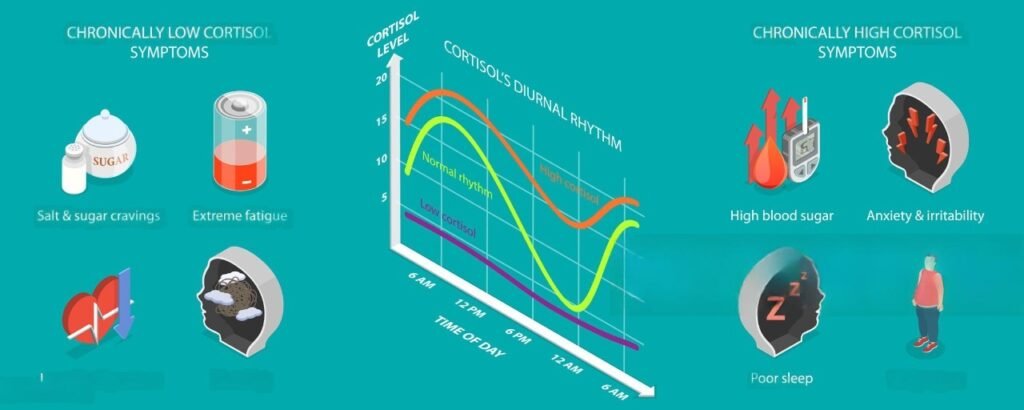
Cortisol is your body’s main stress hormone. Under normal conditions, it follows a predictable rhythm. It peaks in the morning to help you wake up, gradually declines throughout the day, and hits its lowest point at night. This rhythm is essential for good sleep.
But when you’re chronically stressed, that rhythm gets thrown off. Your cortisol stays elevated into the evening. Your body remains in a state of low-grade alertness, even when you’re trying to wind down. And when you finally fall asleep, you’re more vulnerable to those sympathetic surges during REM sleep. Your body is already primed for a stress response. So when those surges happen, they hit harder. And the sweating is more intense.
I noticed this pattern in myself. During particularly stressful periods of my life—when work was insane, when I wasn’t sleeping well, when I was worrying about money or relationships—the night sweats got worse. Way worse. It became a vicious cycle: stress caused night sweats, night sweats caused poor sleep, poor sleep made me more stressed. Round and round.
What You're Actually Losing
Okay, let’s talk about what’s really at stake here. Because it’s not just about being uncomfortable. It’s not just about the laundry. It’s about your brain.
REM sleep, the stage where these night sweats are most likely to occur, is critical. This is when your brain processes emotions. It’s when memories are consolidated. It’s when the day’s experiences are filed away and made sense of. It’s also when your brain’s waste-clearance system kicks into high gear, flushing out metabolic byproducts that have accumulated during the day.
When you’re jolted out of REM sleep by a night sweat, you’re interrupting all of that. That memory you were trying to form? It might not stick as well. That emotion you were trying to process? It might feel more intense the next day. That creative insight you were on the verge of reaching? Gone.
And then there’s the fragmentation. When you wake up drenched, you’re not just surfacing briefly and going back under. You’re pulled into full alertness. Your heart is pounding. You’re cold and wet and uncomfortable. You have to get up, change your clothes, maybe change your sheets. By the time you settle back into bed, you’ve been awake for ten, fifteen, maybe thirty minutes. You have to start your sleep cycle all over again.
Over time, this adds up. You’re missing out on hours of restorative sleep. The consequences are real: mood swings, brain fog, weakened immune function, even metabolic problems. It’s not just about feeling tired. It’s about your health.
The Hormonal Rollercoaster
For women, there’s an extra layer to this story. Hormones. Specifically, the fluctuating estrogen and progesterone levels that come with perimenopause and menopause.
Estrogen plays a role in temperature regulation. When levels drop, the hypothalamus becomes more sensitive to small temperature fluctuations. The result is what we call hot flashes—sudden, intense waves of heat that can strike at any time. When they happen at night, they’re night sweats. And they can be brutal.
I’ve talked to friends who are going through this. They describe it as feeling like they’re standing in front of an open oven. The heat radiates from their core outward, and then the sweating starts. They throw off the covers, then get cold, then pull the covers back on. It’s a constant battle. And it’s exhausting.
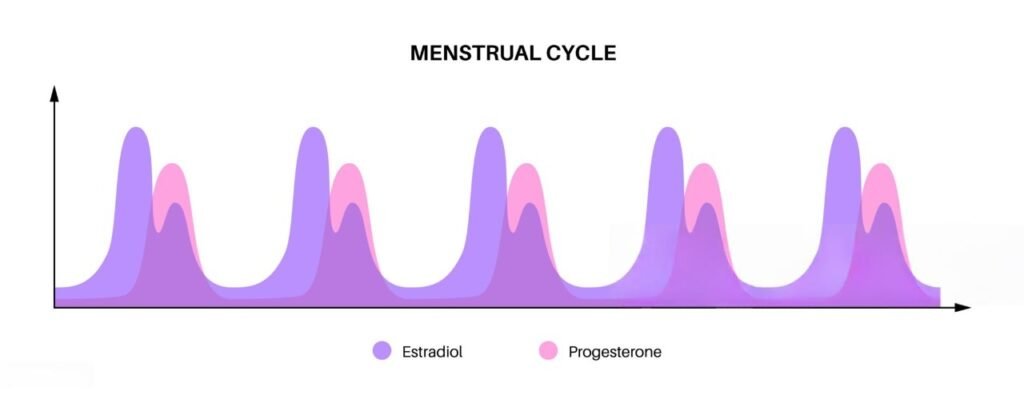
But hormones aren’t just a menopause thing. Thyroid issues can cause night sweats. Diabetes can cause night sweats. Even the natural fluctuations of the menstrual cycle can make some women more susceptible. The common thread is that all of these hormonal changes affect the body’s temperature regulation and stress response, making you more vulnerable to those sympathetic surges during REM sleep.
Breaking the Cycle
So what do you do about all of this? I wish I had a magic bullet. I don’t. But I can tell you what I’ve learned, both from my own experience and from talking to doctors and doing my own research.
First, see a doctor. I know, it’s annoying. Nobody wants to go to the doctor for something that seems like it might be nothing. But persistent night sweats can be a sign of something serious. Sleep apnea. Infections. Even some cancers. It’s probably nothing, but you need to rule out the things that aren’t nothing. So make an appointment. Get checked out.
Second, look at your sleep environment. This seems obvious, but you’d be surprised how many people don’t think about it. Keep your bedroom cool—around 65 degrees is ideal. Use lightweight, breathable bedding. Cotton, bamboo, anything that wicks moisture away from your skin. Consider a moisture-wicking mattress pad. These small changes can make a real difference.
Third, work on your stress. I know, I know. Easier said than done. But chronic stress is a major driver of night sweats. Find ways to calm your nervous system before bed. Maybe it’s meditation. Maybe it’s reading a book instead of scrolling through your phone. Maybe it’s a warm bath. Maybe it’s writing down your worries and then putting the paper away. Find what works for you and make it a ritual.
Fourth, pay attention to what you eat and drink. Spicy foods, caffeine, and alcohol can all trigger sweating and disrupt sleep. Try to avoid these in the hours before bed. Stay well-hydrated during the day, but don’t drink a lot of water right before bed—you don’t want to wake up because you have to pee.
Fifth, track your patterns. Keep a sleep diary. Note when your night sweats happen, what you ate and drank that day, how stressed you felt, where you are in your menstrual cycle if that applies. Over time, you may start to see patterns. And patterns are clues. Clues about what’s triggering your night sweats and what might help.
A Personal Note
I want to be honest with you. I’m still dealing with this. Not every night, but often enough that it still disrupts my sleep and leaves me feeling exhausted. I’ve been to the doctor. I’ve ruled out the scary stuff. I’ve made changes to my sleep environment and my habits. And it’s better than it was. But it’s not gone.
And I’ve learned to accept that. To stop fighting it and start working with it. To stop lying in bed at 3 AM, furious at my body for betraying me, and instead just… deal with it. Get up. Change my shirt. Flip my pillow. Drink some water. Breathe. And then try to go back to sleep.
It’s not a perfect solution. But it’s a more peaceful one.

What I've Learned
Here’s what I’ve come to understand about night sweats: they’re not just a physical annoyance. They’re a message. A signal from your body that something is out of balance. Maybe it’s stress. Maybe it’s hormones. Maybe it’s an underlying condition. Whatever it is, ignoring it won’t make it go away.
The good news is that by understanding the biology of what’s happening—the connection between REM sleep, your autonomic nervous system, and your body’s temperature regulation—you can start to take control. You can make changes. You can seek help. You can break the cycle.
And even if you can’t make them stop entirely, you can change your relationship to them. You can stop seeing them as a failure and start seeing them as information. As a signal that you need to pay attention to something.
Because in the end, that’s what sleep is really about, isn’t it? Not just rest, but restoration. Not just closing your eyes, but giving your body and mind the chance to heal and renew. Night sweats stand in the way of that. But they don’t have to stand in the way forever.
Frequently Asked Questions
Here’s what I’ve come to understand about night sweats: they’re not just a physical annoyance. They’re a message. A signal from your body that something is out of balance. Maybe it’s stress. Maybe it’s hormones. Maybe it’s an underlying condition. Whatever it is, ignoring it won’t make it go away.
The good news is that by understanding the biology of what’s happening—the connection between REM sleep, your autonomic nervous system, and your body’s temperature regulation—you can start to take control. You can make changes. You can seek help. You can break the cycle.
And even if you can’t make them stop entirely, you can change your relationship to them. You can stop seeing them as a failure and start seeing them as information. As a signal that you need to pay attention to something.
Because in the end, that’s what sleep is really about, isn’t it? Not just rest, but restoration. Not just closing your eyes, but giving your body and mind the chance to heal and renew. Night sweats stand in the way of that. But they don’t have to stand in the way forever.
1. What's the difference between regular sweating at night and a true night sweat?
Regular sweating might leave you feeling a bit warm or slightly damp, especially if your room is warm or you’re using heavy blankets. A true night sweat is severe, drenching perspiration that soaks your clothes and sheets to the point where you need to change them. It’s excessive sweating that goes beyond what’s needed for normal temperature regulation.
2. Can stress really cause night sweats even if I don't feel stressed during the day?
Absolutely. Chronic stress can dysregulate your autonomic nervous system, keeping cortisol levels elevated into the night and making you more vulnerable to the sympathetic surges that trigger sweating during REM sleep. You might not feel stressed, but your body is still carrying the burden.
3. Why are night sweats so disruptive to sleep?
Night sweats most often occur during REM sleep, which is when your body’s thermoregulatory system is suppressed. The sudden sympathetic surge that triggers the sweating also jolts you awake, pulling you out of this critical sleep stage. You then have to start your sleep cycle over, losing out on restorative deep sleep and REM sleep.