This is not a marketing pitch. This is the story of how I spent six months and way too much money trying to figure out why I kept waking up drenched in sweat.
The 3 AM Puddle
There is a specific kind of misery that comes from waking up at 3 AM with your back stuck to the sheets. You know the feeling. You roll over, and instead of the cool, comforting embrace of your bedding, you get a hot, damp slap of regret. Your pajamas are clinging to you like a desperate ex. Your hair is plastered to your forehead. And somewhere in the back of your mind, you wonder if you have somehow developed a fever or if your body has simply decided to become a human radiator.
I spent years blaming my mattress. I blamed my thermostat. I blamed my husband for being a human space heater. I blamed global warming. I blamed everything except the one thing that was actually causing the problem: my sheets.
It started innocently enough. I bought these beautiful, silky sheets from a high-end department store. They were expensive. They felt like butter. They had a gorgeous sheen that made my bed look like it belonged in a magazine. I was so proud of myself.
And then I started waking up in a puddle.
Every. Single. Night.
I would lie there, furious and exhausted, staring at the ceiling, wondering why I had spent three hundred dollars on sheets that felt like a sauna. I convinced myself it was just me. Maybe I was going through early menopause. Maybe I had some undiagnosed medical condition. Maybe I was just broken.
It took me six months and three different sheet sets to figure out the truth. The problem wasn’t me. The problem was the weave. I had bought sateen sheets. And sateen sheets, as I was about to discover, are basically a heat trap disguised as luxury.
The Weave Conspiracy
Here is the first thing you need to understand about sheets: they are not all created equal. And I don’t just mean the thread count or the quality of the cotton. I mean the actual weave—the way the threads are arranged—completely changes how the fabric behaves.
Most people don’t think about this. They walk into a store, touch a sheet, decide it feels nice, and buy it. And that is exactly what the sheet companies want you to do. They want you to be seduced by the softness, the sheen, the luxurious feel. They do not want you to think about whether that softness is going to turn your bed into an oven.
The two most common weaves for high-quality sheets are percale and sateen. They sound similar. They are both made of cotton (usually). But they are as different as a summer breeze and a winter blanket.
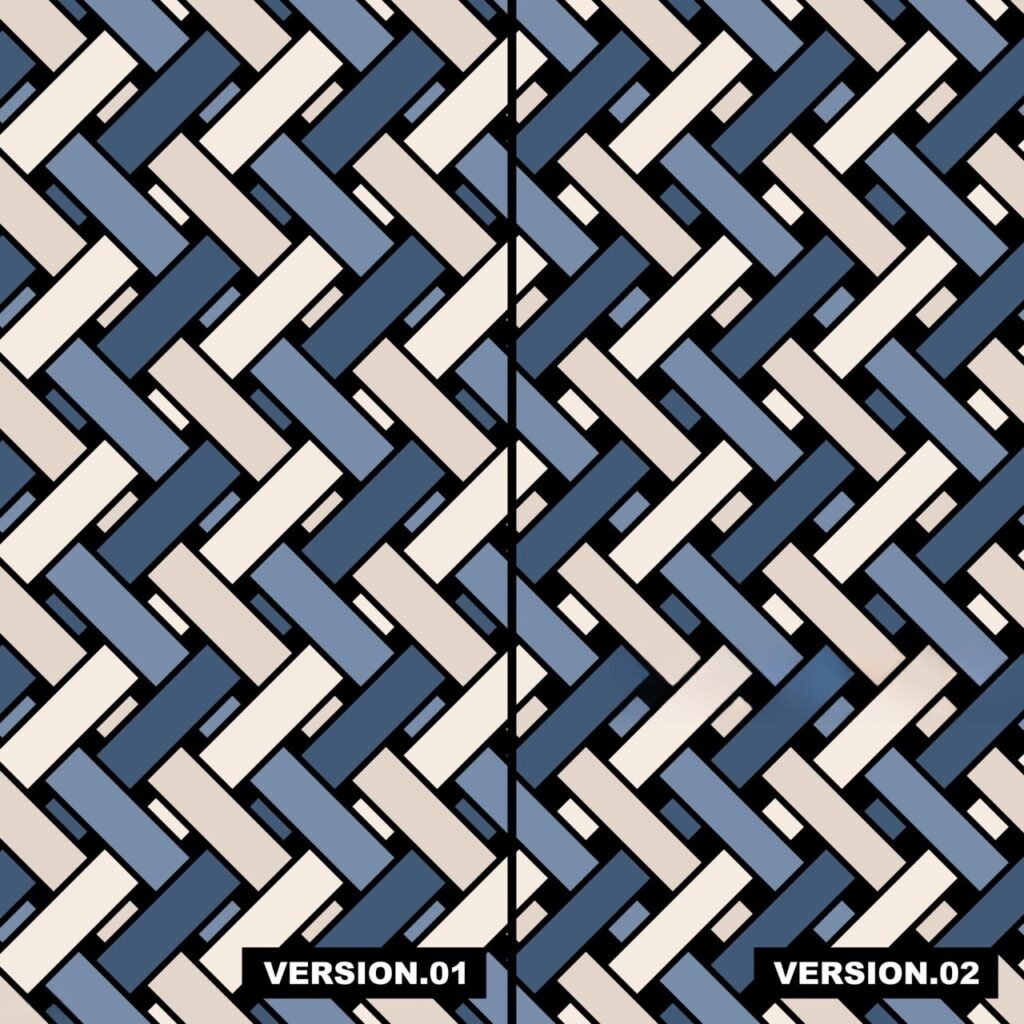
Percale is a simple, one-over-one-under weave. It’s the classic, crisp, matte fabric that reminds you of a freshly ironed button-down shirt. It’s breathable. It’s airy. It’s what hotels use when they want you to feel like you’re sleeping on a cloud.
Sateen, on the other hand, is a one-under, three-or-four-over weave. This creates a smoother surface with a subtle sheen. It feels silky. It drapes beautifully. It looks expensive. It also traps heat like a winter coat.
The difference comes down to the structure. In percale, the threads cross each other evenly, leaving tiny gaps that allow air to circulate. In sateen, the threads are packed closer together, creating a denser fabric that holds warmth against your body.
I wish I had known this before I spent all that money. I wish someone had told me that the silky sheets I was so proud of were actually my enemy. But nobody did. So now I am telling you.
Percale: The Cool Kid on the Block
Let’s talk about percale. Because if you are a hot sleeper—and I mean truly, genuinely, wake-up-soaking-wet hot—percale is your best friend.
The percale weave is a one-over, one-under pattern. It’s tight enough to be durable but loose enough to allow air to flow through. The fabric is crisp and lightweight, with a matte finish that doesn’t scream “look at me” but quietly whispers “I am comfortable and you will sleep well tonight.”
The breathability of percale is its superpower. Because the weave is balanced, there are tiny spaces between the threads that allow heat and moisture to escape. This means that when you sweat—and let’s be honest, we all sweat—the percale wicks that moisture away from your body and lets it evaporate. You stay cool. You stay dry. You stay asleep.
I remember the first time I slept on percale sheets after my sateen nightmare. I was skeptical. The sheets felt… ordinary. They weren’t silky. They didn’t have that luxurious sheen. They felt like a good, solid, no-nonsense sheet. I went to bed expecting to be disappointed.
I woke up eight hours later, still in the same position I had fallen asleep in. I was dry. I was comfortable. I had not woken up once to peel myself off the mattress.
It was a revelation. I had been spending all this money on fancy sheets when the simple, humble percale was the answer all along.
But percale isn’t perfect. It wrinkles easily. If you are someone who needs your bed to look like a hotel room at all times, you are going to spend a lot of time ironing. It also starts out a bit stiff. It softens over time—every wash makes it more comfortable—but it doesn’t have that instant silky feel that sateen does.
The other thing about percale is that it gets better with age. Unlike sateen, which can pill or snag over time, percale becomes softer and more comfortable with every wash. It’s like a fine wine, but for your bed.
Sateen: The Silky Seductress
Now let’s talk about sateen. Because I want to be fair. Sateen is not evil. It is not a bad product. It is just bad for certain people.
Sateen uses a one-under, three-or-four-over weave. This means that more of the thread is exposed on the surface, creating that silky, smooth feel and subtle sheen. It drapes beautifully. It looks luxurious. It feels like you are sleeping in a five-star hotel.
The problem is that all that silkiness comes at a cost. The denser weave traps heat against your body. The fabric is heavier. It holds warmth. If you are someone who runs cold at night, this is a feature, not a bug. But if you are a hot sleeper, it is a nightmare.
I learned this the hard way. I spent months waking up in a pool of my own sweat, convinced that I was somehow defective. I would strip off my pajamas. I would throw off the covers. I would lie there, naked and miserable, staring at the ceiling, wondering what was wrong with me.
Nothing was wrong with me. I just had the wrong sheets.
Sateen does have its advantages, though. It is wrinkle-resistant, which means you can skip the ironing. It starts out soft, so there is no breaking-in period. And for people who get cold at night, the warmth is a blessing.
There is also something undeniably luxurious about sateen. The sheen, the drape, the way it feels against your skin—it is objectively beautiful. I understand why people buy it. I understand why I bought it. It is seductive. It makes you feel like you are treating yourself to something special.
But here is the thing about seduction: it is often a lie. And the lie of sateen is that it will make you comfortable. It will make your bed look beautiful. It will not make you comfortable if you run hot.
The Thread Count Trap
Before we go any further, I need to talk about thread count. Because the sheet industry has done a fantastic job of convincing us that higher thread count equals better sheets. And that is a lie.
Thread count refers to the number of threads per square inch of fabric. In theory, a higher thread count means a denser, smoother, more luxurious fabric. But in practice, it is often a marketing gimmick.
For percale, the sweet spot is between 200 and 400 threads per square inch. Anything above 400 is usually the result of multi-ply yarns being counted as separate threads, which doesn’t actually make the fabric better. It just makes the marketing more impressive.
For sateen, the thread count tends to be higher—usually between 300 and 500. Because the weave is denser, sateen naturally has more threads per square inch. This is part of why it feels so smooth. It is also part of why it traps so much heat.
Here is the thing: thread count is not the most important factor. The quality of the cotton, the length of the fibers, and the weave pattern all matter more than the number on the package. A 300-thread-count percale made from long-staple cotton will feel better and last longer than a 1000-thread-count sateen made from cheap, short-staple fibers.
I learned this the hard way too. I bought a set of 800-thread-count sheets once, thinking I was getting the best of the best. They were terrible. They were stiff, they pilled after three washes, and they slept hot. I spent a fortune on marketing hype and got nothing in return.
Now I look for quality, not numbers. Long-staple cotton. A reputable brand. And the right weave for my sleeping habits. That is what matters.
The Fiber Question
Here is another thing that complicates the percale vs. sateen debate: the weave is not the only factor. The fiber matters too.
Both percale and sateen can be made from different materials. Cotton is the most common, but you can also find them in lyocell, rayon, polyester, or blends. Each material changes the feel, the breathability, and the durability of the fabric.
For example, a sateen sheet made from 100% cotton will sleep warmer than a percale sheet made from the same cotton. But a sateen sheet made from lyocell—a breathable, moisture-wicking material—might actually sleep cooler than a cotton percale. The weave matters, but the material matters too.
I didn’t know this when I started my sheet journey. I thought percale was percale and sateen was sateen. I didn’t realize that a sateen sheet could be made from different materials that would change the way it performed. So I bought sateen sheets made from cotton, which was the worst possible combination for a hot sleeper.
If you are going to buy sateen, at least look for a more breathable fiber. Lyocell or bamboo blends can help offset the heat-trapping nature of the weave. But honestly, if you run hot, just stick with percale. It is the safest bet.
The Hotel Secret
Have you ever noticed how hotel sheets feel amazing? Crisp, cool, and incredibly comfortable. There is a reason for that. Hotels overwhelmingly use percale.
Think about it. Hotels have to accommodate thousands of different guests with different sleeping preferences. They need sheets that work for everyone. Percale is breathable, durable, and comfortable year-round. It doesn’t trap heat, so even the warmest sleeper can get a good night’s rest.
Hotels also appreciate that percale gets softer over time. The more they wash them, the better they feel. And because percale is durable and pill-resistant, the sheets last longer, which saves money in the long run.
This is the part that made me feel really stupid. I had been spending a fortune on sateen sheets, trying to recreate a luxury hotel experience at home. And all along, the hotels were using percale. I was trying to be fancy, and I ended up being uncomfortable.
The hotel secret is this: luxury doesn’t have to be silky. Luxury can be crisp, cool, and breathable. Luxury can be a good night’s sleep. And that is exactly what percale delivers.

The Seasonal Strategy
Here is something I have come to realize: you don’t have to pick just one.
Some people keep both percale and sateen sheets and switch them out with the seasons. Percale for summer, when you want to stay cool. Sateen for winter, when you want to stay warm.
This is not a bad strategy. If you live somewhere with extreme seasons, it makes sense. Sateen is cozy and warm in the winter. Percale is breezy and cool in the summer. Both have their place.
But if you are a hot sleeper—like, truly hot, regardless of the season—you might not want sateen even in the winter. Some of us just run warm. We don’t need extra warmth, even when it’s cold outside. We need breathability. We need airflow. We need percale.
I tried the seasonal strategy. I bought a set of sateen sheets for winter, thinking I would be cozy. I was not cozy. I was sweaty. I woke up at 3 AM, threw off the covers, and wished I had just stuck with percale.
Now I use percale year-round. It works in the summer, when the nights are sticky and hot. It works in the winter, when I have the heat cranked up. It is the one sheet that works for me, regardless of the season.
The Verdict
So here is the bottom line: if you sleep hot, buy percale. It is breathable, durable, and cool to the touch. It will get softer over time. It will keep you dry. It will let you sleep through the night without waking up in a puddle.
If you sleep cold, or if you just love that silky, luxurious feel, buy sateen. It is warm, wrinkle-resistant, and drapes beautifully. Just be prepared for the heat. And maybe keep a fan nearby.
The difference between percale and sateen is not just marketing. It is real. It is science. It is the structure of the weave, the breathability of the fabric, and the way it interacts with your body heat.
I wish someone had explained this to me before I wasted six months and three hundred dollars on the wrong sheets. I wish I had known that the silky fabric I was so proud of was actually my enemy. I wish I had understood that luxury doesn’t have to mean sweaty.
But I know now. And now you know too.
A Final Thought
There is a lot of marketing nonsense in the sheet industry. Companies want you to believe that higher thread count is better, that sateen is more luxurious, that you need to spend a fortune to get a good night’s sleep. It is all designed to separate you from your money.
The truth is simpler. The truth is that the best sheet for you is the one that keeps you comfortable. And for hot sleepers, that is almost always percale.
Don’t be seduced by the sheen. Don’t be fooled by the thread count. Look at the weave. Look at the fabric. And ask yourself: is this going to keep me cool, or is it going to turn me into a human popsicle?
I made the mistake of choosing style over substance. I paid the price in sleepless nights and sweaty mornings. But you don’t have to make the same mistake.
Buy percale. Sleep cool. Wake up dry.
You can thank me later.
FAQs
There is a lot of marketing nonsense in the sheet industry. Companies want you to believe that higher thread count is better, that sateen is more luxurious, that you need to spend a fortune to get a good night’s sleep. It is all designed to separate you from your money.
The truth is simpler. The truth is that the best sheet for you is the one that keeps you comfortable. And for hot sleepers, that is almost always percale.
Don’t be seduced by the sheen. Don’t be fooled by the thread count. Look at the weave. Look at the fabric. And ask yourself: is this going to keep me cool, or is it going to turn me into a human popsicle?
I made the mistake of choosing style over substance. I paid the price in sleepless nights and sweaty mornings. But you don’t have to make the same mistake.
Buy percale. Sleep cool. Wake up dry.
You can thank me later.
1. Which sheet type is cooler for hot sleepers—percale or sateen?
Percale is the clear winner for hot sleepers. The one-over, one-under weave creates a breathable fabric that allows air to circulate and heat to escape. Sateen, with its denser three-or-four-over-one weave, traps heat against your body and tends to sleep warmer. If you tend to run hot at night, percale is your best bet for staying cool and dry.
2. If I choose percale, will it feel rough or scratchy compared to sateen?
Percale has a crisp, smooth feel that many people compare to a freshly ironed button-down shirt. It starts out slightly crisp but softens significantly with each wash. While it doesn’t have the silky, slippery feel of sateen, it is by no means rough or scratchy. The texture is clean, airy, and comfortable—just different from the heavy drape of sateen.
3. Can I use percale sheets in winter, or will they be too cold?
Percale is breathable and lightweight, which makes it excellent for summer, but it can absolutely be used year-round. Many people find percale comfortable in all seasons because it regulates temperature well—it keeps you cool when it’s hot and prevents overheating even when your bedroom is warm. If you live in a very cold climate and sleep cold, sateen might feel cozier, but percale is not “too cold” for winter use.