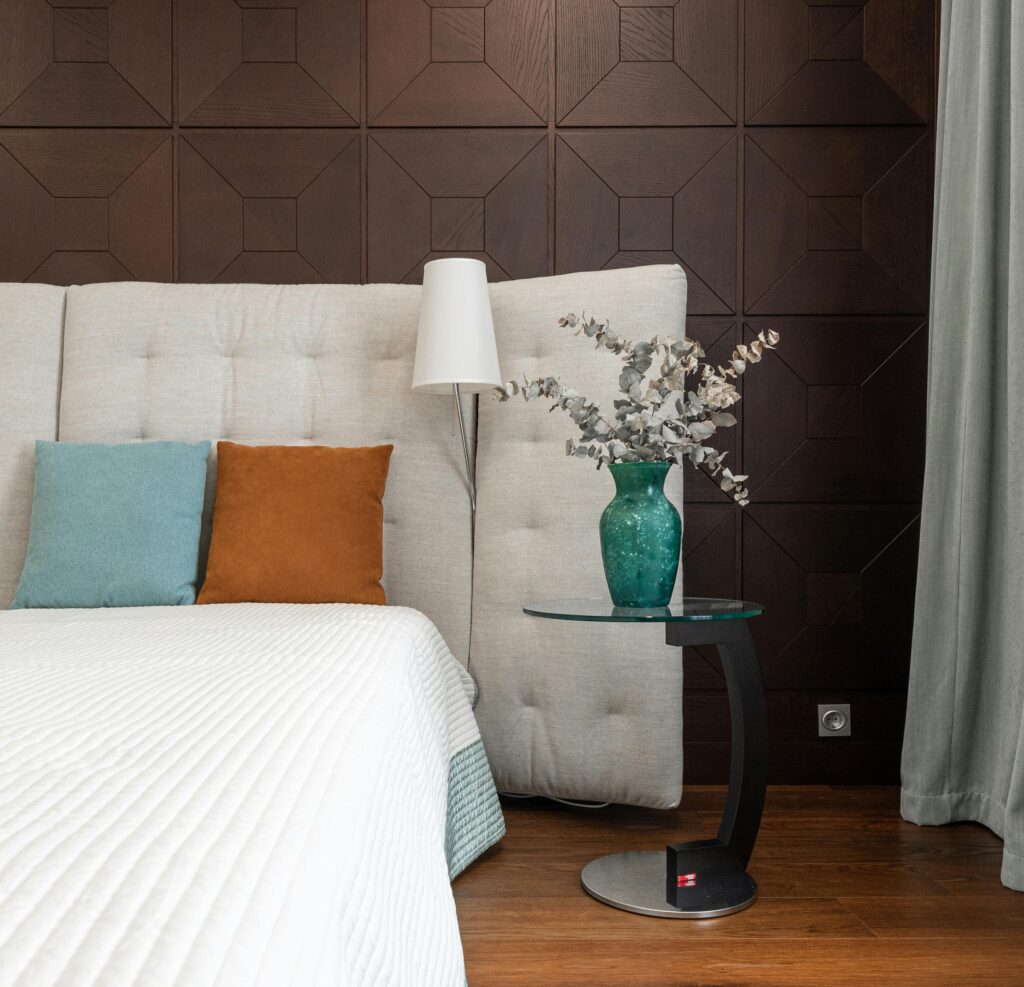
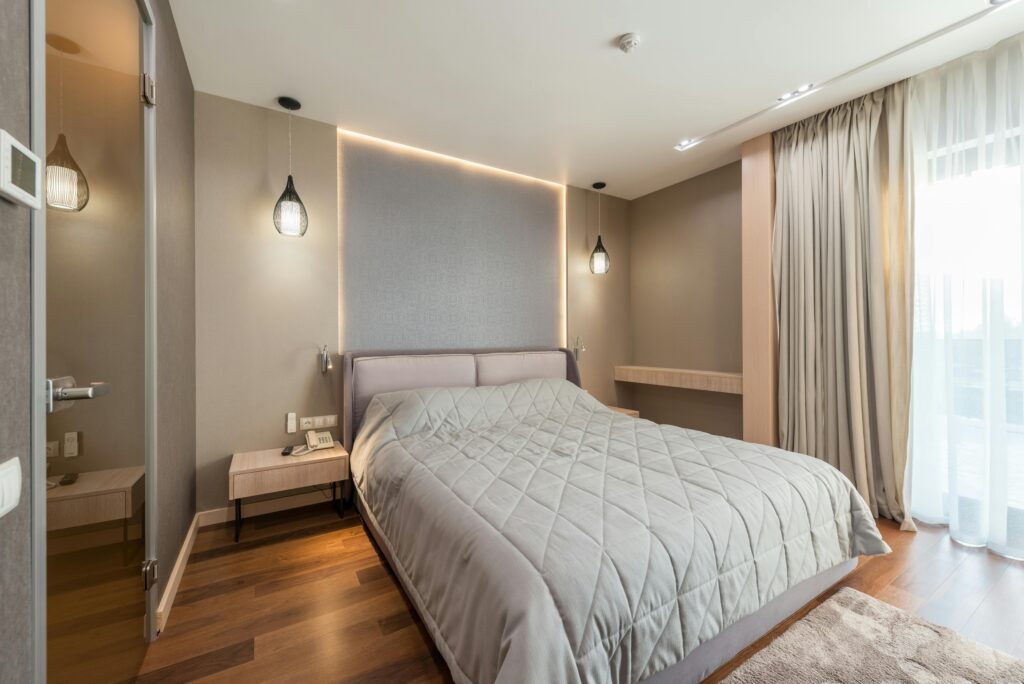
Maya used to lie in bed and listen to her own heartbeat.
Not in a peaceful, meditative way. In the way where your body feels like a phone left on a table, buzzing every few seconds with a notification you can’t quite silence. She would close her eyes at eleven, and by midnight she’d still be there, staring at the faint outline of the ceiling fan, running through the day’s conversations, the tomorrow’s to-do list, the thing she said three years ago that still occasionally visited her at 1 a.m. for no good reason.
She wasn’t unusual. If you’ve ever lain in bed with your mind racing while your body feels strangely tense — jaw clenched, shoulders up near your ears, legs that won’t settle no matter how you arrange them — you already know what an overactive nervous system feels like from the inside. It doesn’t always look like a panic attack. Sometimes it just looks like insomnia. Sometimes it looks like a person who startles too easily, who can’t sit through a movie without checking their phone, who feels “on” long after the reason for being on has passed.
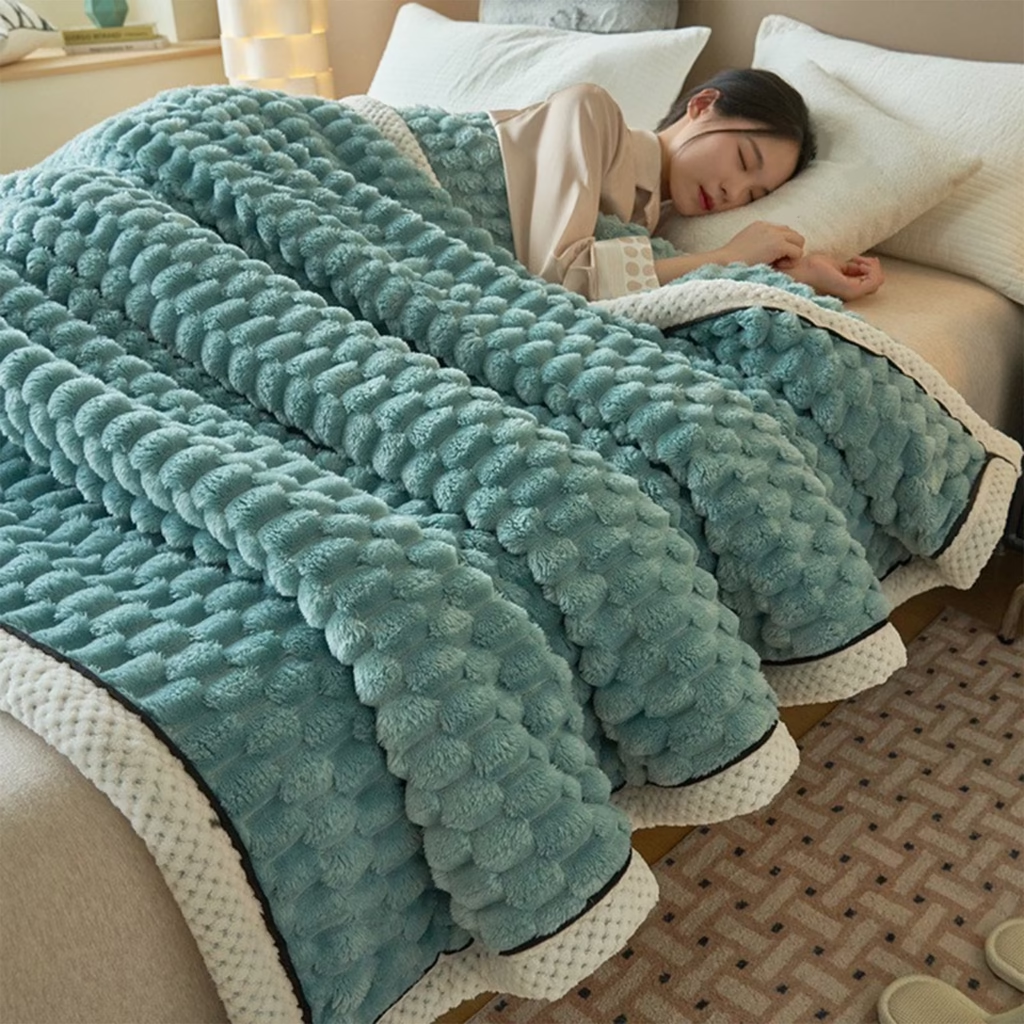
Maya’s sister gave her a weighted blanket as a joke gift one Christmas — the kind of present you buy because you saw it trending online and it seemed like a funny, oddly specific thing to wrap. Maya laughed, said thanks, and shoved it in the closet for two months. Then, during a particularly bad stretch of sleepless nights, she pulled it out at 2 a.m. out of sheer desperation, more curious than hopeful.
She has told this story to at least a dozen people since, always with the same disbelief in her voice: she fell asleep in eleven minutes. She knows the exact number because she’d been checking her phone every few minutes out of habit, and there it was — 2:03, then the next time she looked, it was 6:40 in the morning and sunlight was already coming through the blinds.
This is the story a lot of people tell about weighted blankets. It sounds almost too simple to be real — a heavy blanket fixing something as complicated as a racing nervous system — and yet there is real, unglamorous biology behind why it works. Not magic. Pressure.
The Body Has Its Own Alarm System, and It Doesn't Always Know When to Turn Off
To understand why a heavy blanket can quiet a racing mind, it helps to understand what a nervous system is actually doing when it’s “overactive.” It isn’t broken. It’s just stuck in the wrong gear.
Your body runs on two competing systems that are supposed to take turns. One is the sympathetic nervous system, the one in charge of the classic fight-or-flight response — the one that floods you with adrenaline and cortisol when there’s a genuine threat, like a car swerving into your lane or a deadline you forgot about until this exact moment. The other is the parasympathetic nervous system, sometimes nicknamed “rest and digest,” which is supposed to take over once the threat has passed, slowing the heart rate, easing the muscles, telling the body it’s safe to stand down.
The problem for a lot of people — especially anyone dealing with chronic stress, anxiety, sensory sensitivities, or just a modern life full of notifications and unfinished tasks — is that the sympathetic system gets stuck in the “on” position. The body keeps behaving as though danger is still present long after the actual danger, if there ever was one, has disappeared. Cortisol stays elevated. Muscles stay braced. Sleep becomes shallow and interrupted, because the body doesn’t feel it has permission to fully let go.
This is where the weighted blanket enters the picture, and where the science actually gets interesting instead of just being wellness-aisle marketing.
Deep Pressure, and Why Your Body Trusts It
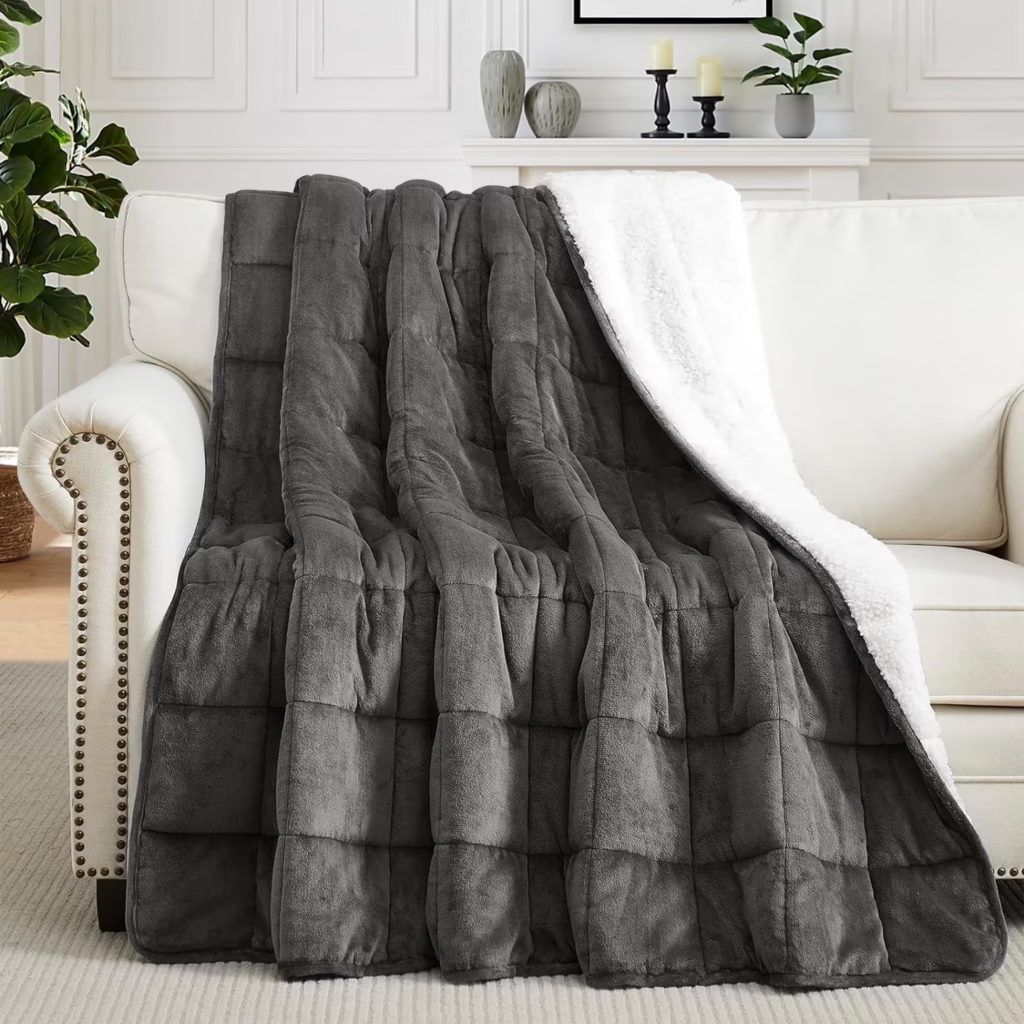
There’s a concept in occupational therapy called deep pressure stimulation, or deep touch pressure. It refers to firm, evenly distributed pressure applied across the body — the kind you get from a tight hug, a swaddle around a newborn, a firm massage, or, yes, a blanket heavy enough to press gently but consistently against you from shoulders to feet.
Occupational therapists have used deep pressure techniques for decades, long before weighted blankets became a mainstream product. Therapists working with autistic children, or children with sensory processing differences, discovered that firm pressure — a tight hug, a weighted lap pad, a compression vest — could calm a child mid-meltdown far more reliably than words ever could. The theory, later supported by research, is that deep pressure activates the parasympathetic nervous system directly, essentially interrupting the stress response at a physical level rather than trying to talk the brain out of it.
This matters because so much of anxiety management focuses on the mind — reframe your thoughts, breathe deeply, think happy thoughts. Those things help, genuinely. But they ask the most overwhelmed part of you, the thinking brain, to talk down a nervous system that isn’t listening to language anymore. Deep pressure skips the argument entirely. It talks to the body in the body’s own language.
When even, gentle weight is distributed across your torso and limbs, specialized touch receptors in the skin send a signal up through the spinal cord and into the brain. This isn’t the sharp, alerting kind of touch — a tap on the shoulder, a sudden poke — it’s a slow, sustained pressure signal, and the nervous system reads it as safety. Studies using electrodermal activity monitors, which measure skin conductance as a proxy for physiological arousal, have shown that deep pressure touch is associated with a measurable drop in sympathetic nervous system activity. In plain terms: the body’s stress response actually quiets down when the pressure is applied, not just the person’s subjective feeling of calm.
Where Serotonin Comes In
Here is where the story usually gets told wrong, so let’s slow down.
A lot of articles about weighted blankets throw around a simple, satisfying claim: pressure triggers serotonin, serotonin makes you calm, therefore weighted blankets make you calm. It’s not exactly a lie, but it skips several steps, and those steps matter if you actually want to understand your own body instead of just repeating a slogan.
Serotonin is a neurotransmitter most people associate with mood, but its actual job description is much broader. It’s involved in regulating sleep-wake cycles, appetite, digestion, pain perception, and yes, mood and anxiety. Roughly ninety percent of the body’s serotonin, interestingly, is actually produced in the gut, not the brain — a fact that surprises most people the first time they hear it. In the brain, serotonin acts as a kind of mood stabilizer, and low or dysregulated serotonin activity has long been associated with anxiety disorders and depression, which is why an entire class of medications, SSRIs, work by keeping more serotonin available in the brain’s synapses.
Deep pressure stimulation appears to influence this system in two connected ways. First, there’s evidence that pressure touch can increase serotonin release, contributing to that settled, contented feeling people describe after a firm hug or a weighted blanket session. Second, and just as importantly, serotonin is the precursor to melatonin, the hormone that governs your sleep cycle. Your body literally converts serotonin into melatonin as darkness falls and bedtime approaches. So a boost in serotonin doesn’t just make you feel calmer in the moment — it can also feed directly into your body’s ability to produce the melatonin it needs to fall and stay asleep.
At the same time, research has also pointed to a drop in cortisol, the primary stress hormone, following deep pressure input. So the fuller, more accurate picture isn’t “pressure causes serotonin causes calm.” It’s closer to this: pressure calms the sympathetic nervous system, which lowers cortisol, while simultaneously supporting serotonin activity, which both stabilizes mood and feeds into the melatonin pathway that governs sleep. Two systems, working together, both nudged in the same direction by the same simple mechanical input — weight, evenly applied.
It’s worth being honest that the research here, while promising, is still developing. Much of the strongest evidence for deep pressure stimulation comes from occupational therapy contexts and smaller clinical studies, and weighted blankets specifically have fewer large-scale trials than, say, established sleep medications. A widely cited 2020 study published in the Journal of Clinical Sleep Medicine did find that weighted blankets improved sleep and reduced insomnia severity in adults with conditions like depression, bipolar disorder, and ADHD, and other studies have found reductions in self-reported anxiety after short weighted blanket use. But nobody serious is claiming a blanket replaces therapy or medication for a diagnosed anxiety disorder. What the evidence does support, fairly consistently, is that this is a real physiological mechanism, not just a placebo dressed up in flannel.
Maya's Second Month
By the time Maya had used her weighted blanket for about six weeks, she noticed something she hadn’t expected: it wasn’t just sleep that had changed. It was the twenty minutes before sleep, the part of the evening she used to dread the most.
She’d always been what she called “a scroller” — the kind of person who lay in bed with her phone an inch from her face, thumb moving on its own, long past the point of actually reading anything. She assumed this was just a bad habit, a willpower problem. But once she started lying under the blanket before even trying to sleep, just to unwind for ten minutes with a book, she noticed her hands didn’t reach for the phone the same way. There was something about the weight settling over her hips and shoulders that made the urge to check anything quiet down. She wasn’t fighting the scroll anymore. She just didn’t feel the itch as strongly.
This tracks with what occupational therapists have observed for years in other contexts: deep pressure doesn’t just reduce anxiety symptoms, it also seems to improve a person’s ability to sustain attention and resist the kind of restless, fragmented focus that anxiety produces. A nervous system that isn’t scanning for threats has more bandwidth left over for things like reading a page of a novel start to finish.
She also noticed, somewhat to her own annoyance, that she’d become a slight evangelist about it. She mentioned it to her coworker, Daniyal, who ran on caffeine and three hours of sleep and joked that his nervous system had been overactive since roughly the year 2015. He bought one two weeks later. He texted her at midnight: “ok this is unfair how did nobody tell me about this sooner.”
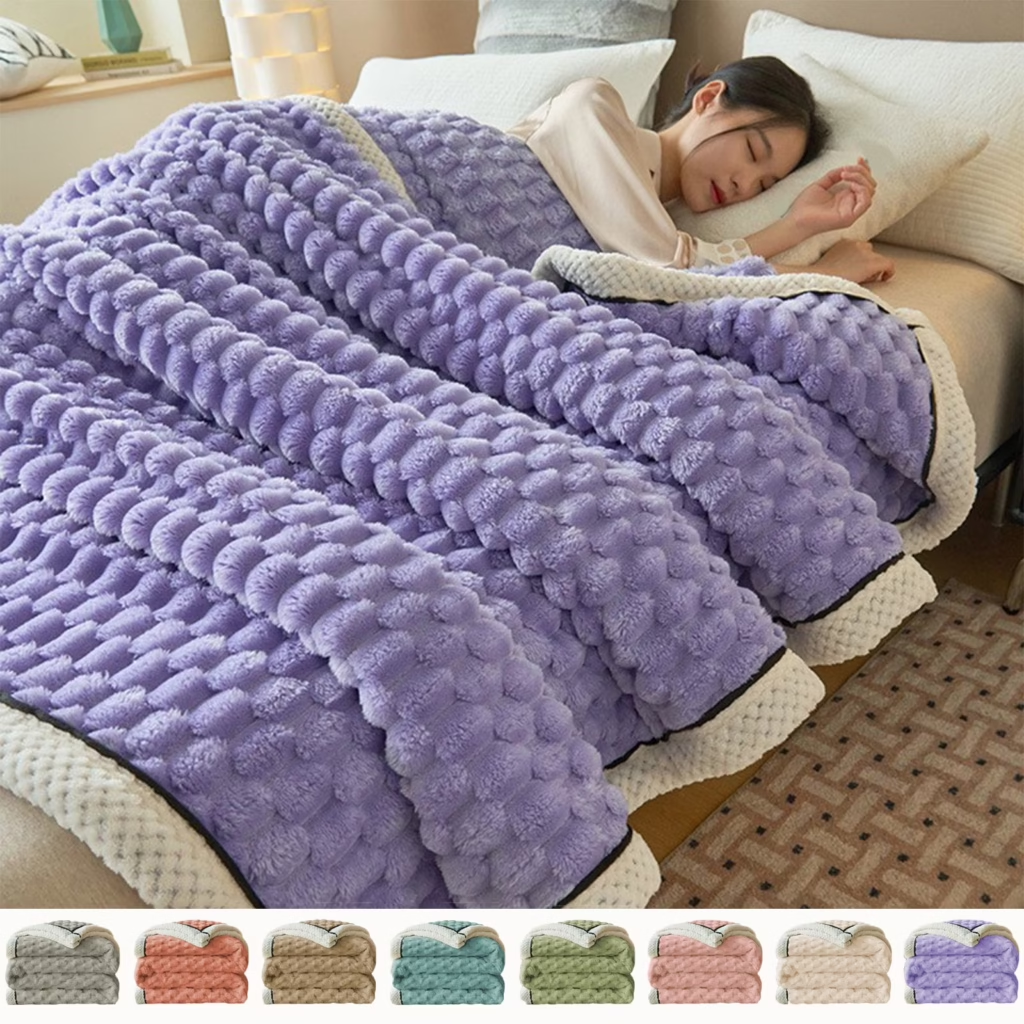
Who Tends to Notice the Biggest Difference
Not everyone experiences the same dramatic shift Maya did, and it’s worth being honest about that rather than pretending a blanket is a universal fix. The people who tend to report the strongest effects are those with genuinely dysregulated nervous systems to begin with — people managing generalized anxiety, sensory processing differences, ADHD, PTSD, or restless leg symptoms that keep the body from settling. For someone whose baseline nervous system is already fairly calm, a weighted blanket might just feel like a nice, cozy blanket, pleasant but not transformative, which makes sense given the underlying mechanism — you can’t lower an alarm that isn’t currently ringing.
There are also people for whom weighted blankets are not recommended at all, and it’s worth naming this clearly rather than glossing over it in the excitement of a feel-good story. People with certain respiratory conditions, circulatory issues, or anyone who might have difficulty removing the blanket on their own — young children unsupervised, for instance, or people with certain physical disabilities — should be cautious, and ideally should talk to a doctor before introducing one into a nightly routine. This isn’t a scare tactic; it’s just basic safety around a product that, however soothing, is still a significant amount of pressure and weight placed on a sleeping body.
The Evening Ritual That Changed Without Anyone Planning It
What’s interesting about talking to people who’ve genuinely integrated a weighted blanket into their lives — not just bought one and let it sit folded at the foot of the bed — is that it rarely stays a solitary intervention. It tends to become part of a small ritual, almost without the person deciding to build one.
Maya’s evenings now look almost boringly consistent, which she says with a kind of pride, because “boringly consistent” used to be the one thing her nights never were. Phone charges in the kitchen, not the bedroom. Lights dim around ten. The blanket goes on around ten-fifteen, sometimes with a few pages of a book, sometimes with nothing at all, just lying there letting the weight settle. She says the blanket didn’t create this routine by itself — but it gave her something to look forward to at the end of the day that felt physically good rather than just being another item on a sleep-hygiene checklist she was supposed to follow out of obligation.
This is, in a quiet way, exactly how deep pressure and serotonin regulation are supposed to work together over time. A single night under a weighted blanket might lower cortisol and ease a racing mind for those specific hours. But consistent nightly use, paired with a stable pre-sleep routine, appears to support more durable improvements in sleep quality and daytime anxiety, likely because the nervous system starts to associate the whole sequence — dim lights, phone away, weight settling over the body — with the actual, physiological cue to downshift into rest. The blanket becomes a kind of Pavlovian anchor for a state the body used to have to fight its way into every single night.

What This Doesn't Fix, and Why That's Fine
It would be dishonest to end this story pretending a weighted blanket is a cure for anxiety, insomnia, or an overactive nervous system in any complete sense. Maya still has hard weeks. There are still nights the blanket doesn’t fully quiet her mind, usually the nights when something specific and unresolved is genuinely bothering her — a blanket can calm a nervous system, but it can’t have the difficult conversation you’re avoiding, or finish the project that’s actually due tomorrow. Deep pressure is a physiological tool, not a psychological one, and it works best as one piece of a broader picture that might include therapy, medication where appropriate, exercise, daylight exposure, and all the unglamorous basics of managing a stressed-out modern life.
But there is something genuinely valuable in having a tool that works on the body directly, without requiring willpower, without requiring you to think your way out of a state that your thinking brain didn’t create in the first place. Anxiety rarely responds well to being reasoned with in the moment. A body that’s braced for danger doesn’t relax because you’ve told it, correctly, that there is no danger. It relaxes because it receives a physical signal it recognizes as safe — the way an infant calms when swaddled, the way a hand on the shoulder can steady someone mid-panic, the way pressure, applied evenly and without demand, tells the nervous system it’s allowed to stand down.
That’s the whole, unglamorous secret behind why a weighted blanket works. Not magic. Not a trend. Just a very old, very basic piece of biology — the body trusting weight the way it trusts a hug — finally being packaged into something you can buy, unfold, and pull over yourself at eleven o’clock on a bad night.
Maya still has that same blanket, three years and one apartment move later. It’s a little flatter than it used to be, the beads shifted slightly from years of washing, and she jokes that she should probably replace it. She hasn’t. Some things just work, and you stop questioning why.

Frequently Asked Questions
Not everyone experiences the same dramatic shift Maya did, and it’s worth being honest about that rather than pretending a blanket is a universal fix. The people who tend to report the strongest effects are those with genuinely dysregulated nervous systems to begin with — people managing generalized anxiety, sensory processing differences, ADHD, PTSD, or restless leg symptoms that keep the body from settling. For someone whose baseline nervous system is already fairly calm, a weighted blanket might just feel like a nice, cozy blanket, pleasant but not transformative, which makes sense given the underlying mechanism — you can’t lower an alarm that isn’t currently ringing.
There are also people for whom weighted blankets are not recommended at all, and it’s worth naming this clearly rather than glossing over it in the excitement of a feel-good story. People with certain respiratory conditions, circulatory issues, or anyone who might have difficulty removing the blanket on their own — young children unsupervised, for instance, or people with certain physical disabilities — should be cautious, and ideally should talk to a doctor before introducing one into a nightly routine. This isn’t a scare tactic; it’s just basic safety around a product that, however soothing, is still a significant amount of pressure and weight placed on a sleeping body.
Does a weighted blanket actually increase serotonin, or is that just marketing?
There’s real physiological backing here, though the full picture is more nuanced than most product pages suggest. Deep pressure stimulation from a weighted blanket has been shown in research to influence the nervous system in ways connected to increased serotonin activity and reduced cortisol, the primary stress hormone. Serotonin also serves as the direct precursor to melatonin, so this pathway supports both a calmer mood and better sleep onset. That said, it’s one contributing factor among several, not a guaranteed neurochemical switch that flips the same way for everyone.
How heavy should my weighted blanket be for anxiety or sleep issues?
Most sleep specialists and occupational therapists suggest somewhere around ten percent of your body weight as a comfortable starting point, occasionally up to twelve percent if you prefer firmer pressure. Someone around 140 to 160 pounds, for example, typically does well with a 15-pound blanket. It’s better to size down slightly than up, and to make sure the blanket actually fits your body rather than draping loosely off the sides of the bed, since even, snug pressure is what drives the calming effect.
Is a weighted blanket safe for everyone to use every night?
For most healthy adults, yes, nightly use is considered safe and is actually where people tend to see the most benefit, since consistency helps the nervous system associate the routine with rest. However, people with certain respiratory or circulatory conditions, young children who can’t remove the blanket unassisted, or anyone with mobility limitations should check with a doctor first, since the weight itself carries real physical considerations that go beyond simple comfort preference.