I have always considered myself a bit of a cotton purist. I grew up on my grandmother’s high-thread-count percale sheets, the ones that were so stiff they could practically stand up on their own, so crisp you could hear them rustle from across the room. That sound was the sound of clean, of order, of a job well done. It was the sound of a bed that had been made, not slept in. For years, that was my benchmark for luxury: an immaculate, crease-free surface that felt like a five-star hotel.
Then I moved into an old house in the countryside. The walls are thick stone, the floors are worn oak, and the light that filters through the windows has a soft, hazy quality to it. My stark white cotton sheets, which had looked so elegant in my modern city apartment, suddenly felt out of place. They looked too crisp, too new, too sterile. They were fighting the rustic character of the room rather than embracing it.
That’s when my search began. I had heard whispers of pure flax linen sheets, that they were somehow the secret to a perfect bedroom. I was skeptical, to be honest. All I could picture were itchy, wrinkled, sandpapery disaster zones. But everything I read suggested that linen was different, that it was the fabric of old-world luxury and the favorite of those who know a thing or two about a good night’s sleep.
So, I decided to take the plunge. I decided to write this article not just as a guide, but as the story of my quest to find the best pure flax linen sheets for creating a rustic, breathable, and deeply comfortable bedroom. This is what I learned along the way.
Why Linen? The First Night of Discovery
My first set of pure flax linen sheets arrived in a simple, unassuming box. I chose a natural, undyed color, a soft, warm off-white that I hoped would look like sunlight on sand. The first thing I noticed was the weight. These weren’t light, airy cotton sheets. They had a substantial, almost canvas-like feel to them, a robustness that hinted at their durability. My immediate thought was, “These are going to be rough.”
I washed them as per the instructions (a gentle, cold cycle and a low tumble dry, pulling them out while they were still slightly damp). The initial stiffness softened slightly, and I made the bed, trying to smooth out the inevitable wrinkles. It was a futile effort. The sheets looked like a map of a mountain range, all peaks and valleys, their natural texture exaggerated by the stone-washing process. It was the antithesis of everything I had previously thought a “made” bed should look like.
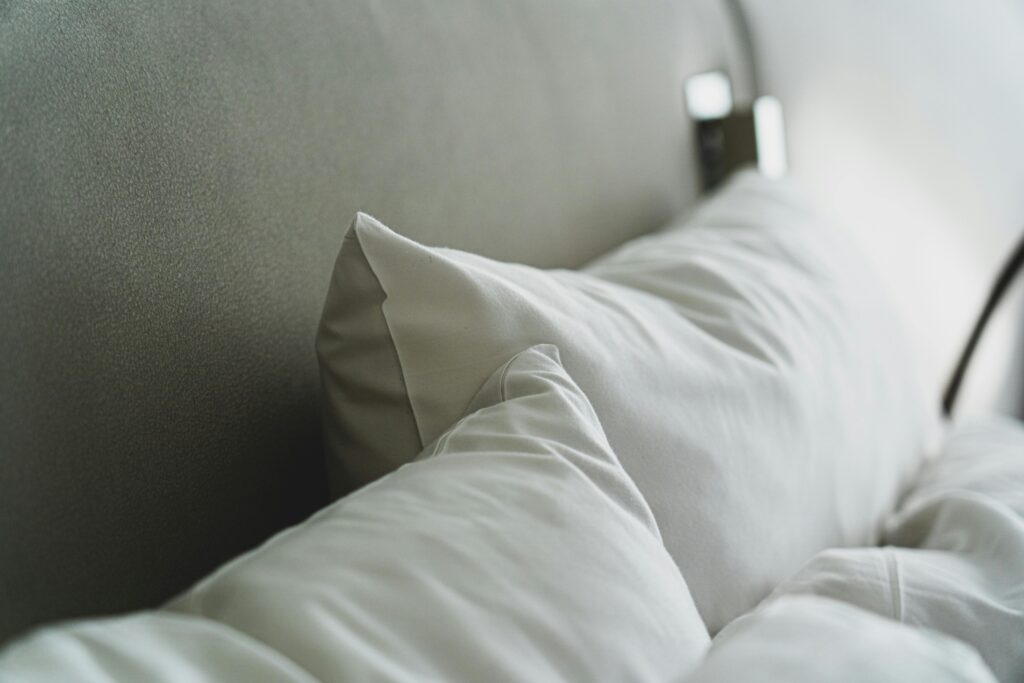
That first night was a revelation. As I slipped into bed, I didn’t feel the scratchy fabric I had been dreading. Instead, I felt a cool, dry, and surprisingly soft fabric against my skin . It wasn’t the smooth, slippery coolness of sateen cotton, but a more natural, breathable coolness. It was like the difference between slipping into a silk robe and slipping into a well-worn, favorite linen shirt. The kind of comfort you don’t realize you’ve been missing.
The texture was there, yes, but it was interesting and pleasant, not abrasive. It felt like the fabric was breathing with me . It was a sensation that was less about luxury in the traditional sense and more about a quiet, natural sense of wellbeing. It felt honest. This was the beginning of my love affair with linen. But the real test came with the changing seasons.
The Breath of Summer and The Warmth of Winter
One of the most hyped benefits of pure flax linen is its ability to regulate temperature. It’s a term that gets thrown around a lot in bedding marketing, but I’ve found it to be genuinely true with linen. The secret lies in the flax fibers themselves. They are hollow, which allows for excellent airflow . In the heat of summer, the air circulates, preventing that sticky, clammy feeling you often get with synthetic materials or even high-thread-count cottons that trap heat.
A friend of mine, who is a textile expert, explained it to me once. She said, “Cotton holds moisture; it absorbs it into the fiber. Linen wicks it away. The moisture evaporates quickly, taking the heat with it. It’s why linen is the fabric of the Mediterranean; it was made for hot, sunny climates .” This was exactly my experience. During a particularly sweltering July, I stayed cool and dry under my linen sheets, while my partner, who stubbornly stuck with his cotton set, would complain of being too hot.
But the magic didn’t stop when the leaves started to fall. As autumn crept in and the nights grew cooler, I expected the linen to feel cold and unwelcoming. Instead, I discovered that the same breathability that kept me cool in summer also kept me comfortable in winter. Layered under a wool blanket and a down duvet, the linen created a cozy but breathable microclimate . It prevented me from overheating, but also didn’t feel shockingly cold when I first got into bed. It felt like a gentle, protective layer. It truly is the most all-season of fabrics, adapting to you rather than you having to adapt to it .
The Softening of a Friend
If I had one bit of advice for someone buying their first set of pure flax linen sheets, it would be this: be patient. The first few nights might feel a little more textured than you’re used to. But the beauty of linen is that it does not stay the same. It’s a living fabric that changes and evolves with you. It’s not a static, unchanging product.
As a fellow linen enthusiast once told me, “Good linen becomes a friend. It remembers you.” And it’s true.
Every wash softened the fibers a little more. Every night’s sleep added to its character . A year into using my original set, it has lost all of its initial stiffness. The fabric now drapes over the bed with a fluid elegance. It’s impossibly soft, but not in a synthetic, fluffy way. It’s soft in a way that feels like a natural evolution. The creases are still there, but they’ve become beautiful, like the way a silk dress reveals a memory of its movement.
The softening process is accelerated with each wash. You never need fabric softener (in fact, it’s recommended you avoid it as it can coat the natural fibers and reduce their breathability) . The mechanical action of the wash and the simple passage of time are all that’s needed. Some of the best linen bedding is stone-washed or pre-washed to jump-start this process, giving you a head start on that coveted, lived-in comfort from the very first night .
The “Imperfect” Allure of Rustic Style
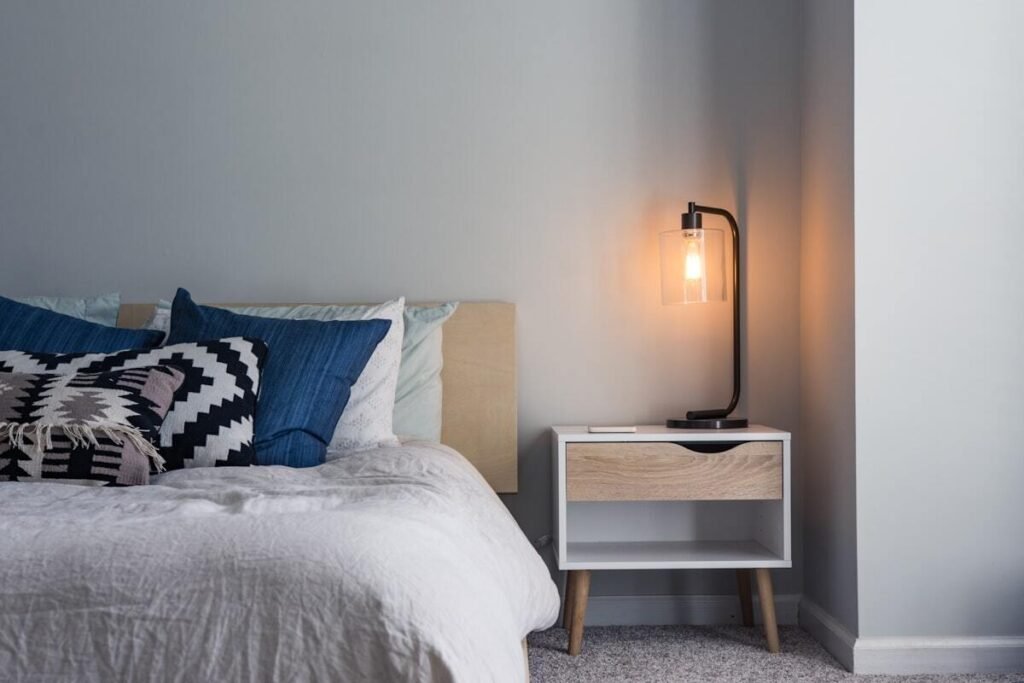
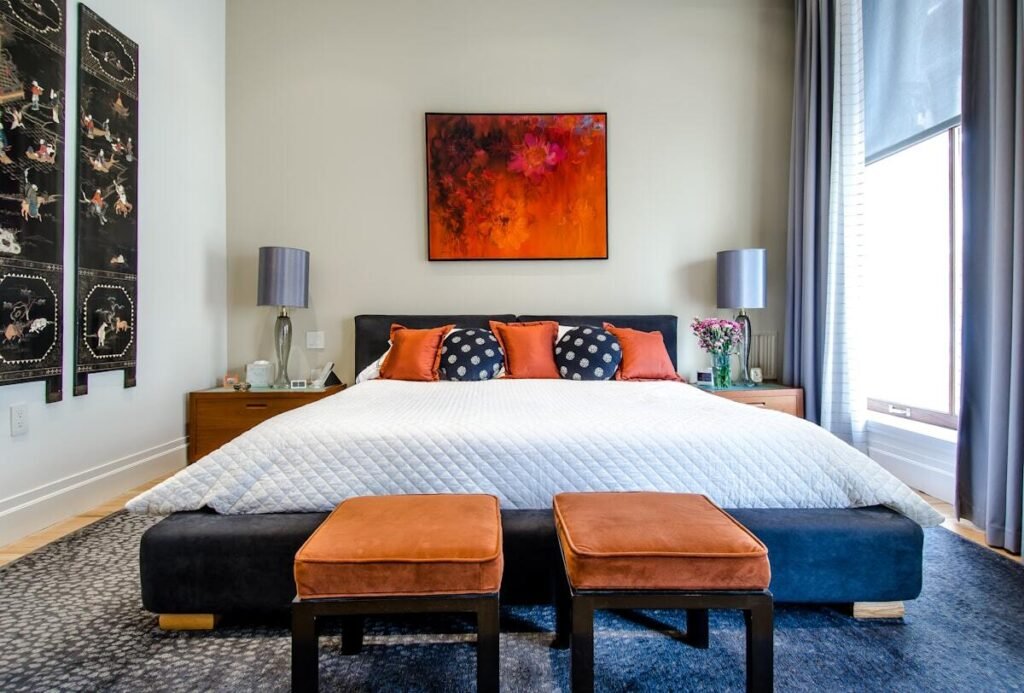
This brings me to the aesthetic. The linen bed is the antidote to the “hotel-perfect” bed that takes 15 minutes to make and is too pristine to actually sit on. It’s the heart of a rustic bedroom. The gentle folds and soft, organic wrinkles of linen create a sense of effortless calm . It’s a look that is intentionally un-styled, which is precisely why it works so well.
You don’t have to worry about creases. They are the point. The texture adds depth and visual interest to the room, especially in a neutral palette . In my stone cottage, the linen sheets look like they belong. They’re not fighting the rustic wooden furniture, the exposed beams, or the uneven stone walls. They complement them. They are a textural anchor that pulls the whole room together.
I’ve found that linen bedding also works as a fantastic canvas for layers. A chunky knit throw at the foot of the bed, a velvet or wool cushion or two—these things look even better against the subtle, rumpled backdrop of a linen duvet cover . It’s a look that says “I value comfort and quality,” and it’s incredibly inviting.
The Hunt for the Best: What I Looked For
Over the past few years, I’ve tried linen from several different brands, and I’ve made some mistakes along the way. I’ve bought a “linen” set that was actually a cotton-polyester blend (a cardinal sin), and I’ve bought sheets that were so thin they tore after a year. So, based on my experience and the collective wisdom of countless designers and textile experts, here are the key things I look for in the best pure flax linen sheets:
1. 100% Pure Flax Linen
This is non-negotiable. If a brand doesn’t explicitly say “100% linen” or “100% flax,” don’t buy it. Often, you’ll find linen-cotton blends, which are cheaper but they don’t have the same durability, breathability, or get softer with time . The luxury comes from the pure flax fiber. A good rule of thumb is that the shorter the list of materials on the label, the better .
2. European Flax
While flax is grown in many places, flax from Western Europe (especially France and Belgium) is considered the gold standard . The long, strong fibers grown in this region produce a finer, more durable, and more breathable linen. Look for brands that specify their source.
3. The Weight (GSM)
Many brands list the GSM (grams per square meter), which is a measure of the fabric’s weight. A higher GSM generally means a thicker, heavier, and more durable sheet . A good range to look for is between 150 and 180 GSM . Anything lower might be too thin and flimsy, while anything higher can be quite heavy and coarse, which some people do enjoy for a rustic feel. The 170-180 GSM range is often cited as the “sweet spot” for balancing weight, breathability, and durability .
4. Pre-washed and Stonewashed
A pre-wash or stonewash is important not just for that first-night softness, but it also indicates that the fabric has been finished properly. It helps to stabilize the fabric and prevent excessive shrinking . It’s a sign that the brand has put thought into the user’s experience.
5. Certifications (OEKO-TEX Standard 100)
This was something I didn’t pay attention to at first, but now it’s a must. An OEKO-TEX Standard 100 certification assures you that the linen has been tested for harmful substances and is safe for your skin . Since you’ll be spending a third of your life in these sheets, it’s comforting to know they’re free from toxins.
Our Top Picks for a Rustic Retreat
Based on my research and personal experience, here are a few brands that consistently rise to the top for creating that perfect rustic, breathable bedroom experience.
The Best Overall: Parachute Linen Sheet Set
If you’re looking for the total package, Parachute’s linen sheet set is a fantastic choice. It’s made from 100% European flax and is pre-washed for a soft, ‘lived-in’ feel right out of the box . It has an ideal weight and is OEKO-TEX certified, balancing quality and accessibility perfectly. It’s the gold standard for a reason.
The Best for Pure Value and Ease: Bed Threads
I’ve personally had excellent luck with Bed Threads, especially for a rustic look . Their 100% French flax sheets are beautifully soft and get better and better over time. I love their commitment to pure flax and their lovely, earthy color palette. I also appreciate their deep 16-inch fitted sheets, which are a godsend for deeper mattresses .
The Best for Durability: Piglet in Bed
If you want bedding that is literally built to last a lifetime, look no further than Piglet in Bed. Their linen has an almost historical weight and durability to it . It is an investment, but it is an heirloom piece that will only become more beautiful as the years go by. It was also one of the top recommendations for hotels and rustic retreats by a former homes editor for CN Traveller .
The Best for an Heirloom Feel: ATLINIA
If you want 100% pure French flax linen with all the quality credentials (OEKO-TEX, stonewashed for softness) and a beautiful, classic aesthetic, ATLINIA is a fantastic choice . Reviews often mention its exceptional quality for the price, and I love the attention to detail, like the deep pockets and envelope-style pillowcases. It’s a great option for anyone looking for that perfect balance between investment and reward.
The Linen Life
Making the switch to pure flax linen sheets was more than just a change of bedding for me. It was a philosophy shift. I moved away from the idea of perfection and embraced the concept of “real.” Real comfort, real texture, real life.
My bed no longer looks like a showroom display. It looks like a place where stories are shared, naps are taken, and the morning paper is read. It’s a place of refuge, of simple, honest comfort. It’s become the heart of my rustic home. And it all started with a set of wrinkled, impossibly soft, pure flax linen sheets.
FAQs: Your Linen Sheet Questions Answered
Do pure flax linen sheets get softer over time?
Yes, this is one of linen’s most celebrated qualities. Unlike cotton, which can weaken and pill with repeated washing, good-quality flax linen actually softens and becomes more supple with every wash and use . The natural fibers relax, the weave loosens slightly, and the fabric develops a beautiful, fluid drape. It’s not a quick process, but after a year of use, you’ll have sheets that are vastly softer and more comfortable than the day you bought them .
Are linen sheets good for hot sleepers?
Absolutely. Linen is the undisputed champion for hot sleepers. Its secret lies in the hollow structure of the flax fibers, which allows for superior airflow and breathability . Furthermore, linen is exceptionally good at wicking moisture away from the skin and drying quickly, which helps you stay cool and dry all night long . This is why it’s the traditional bedding of choice in warm climates.
What is the difference between regular linen and OEKO-TEX-certified linen?
The main difference is safety and assurance. “Regular” linen means the fabric is made from flax, but the production process may involve chemicals or dyes that could be harmful. OEKO-TEX Standard 100 certification is an independent, international testing and certification system. It guarantees that every component of the product (fabric, thread, dyes, buttons, etc.) has been tested for over 100 harmful substances and is safe for human skin . Choosing OEKO-TEX-certified linen is especially important for people with sensitive skin or allergies.