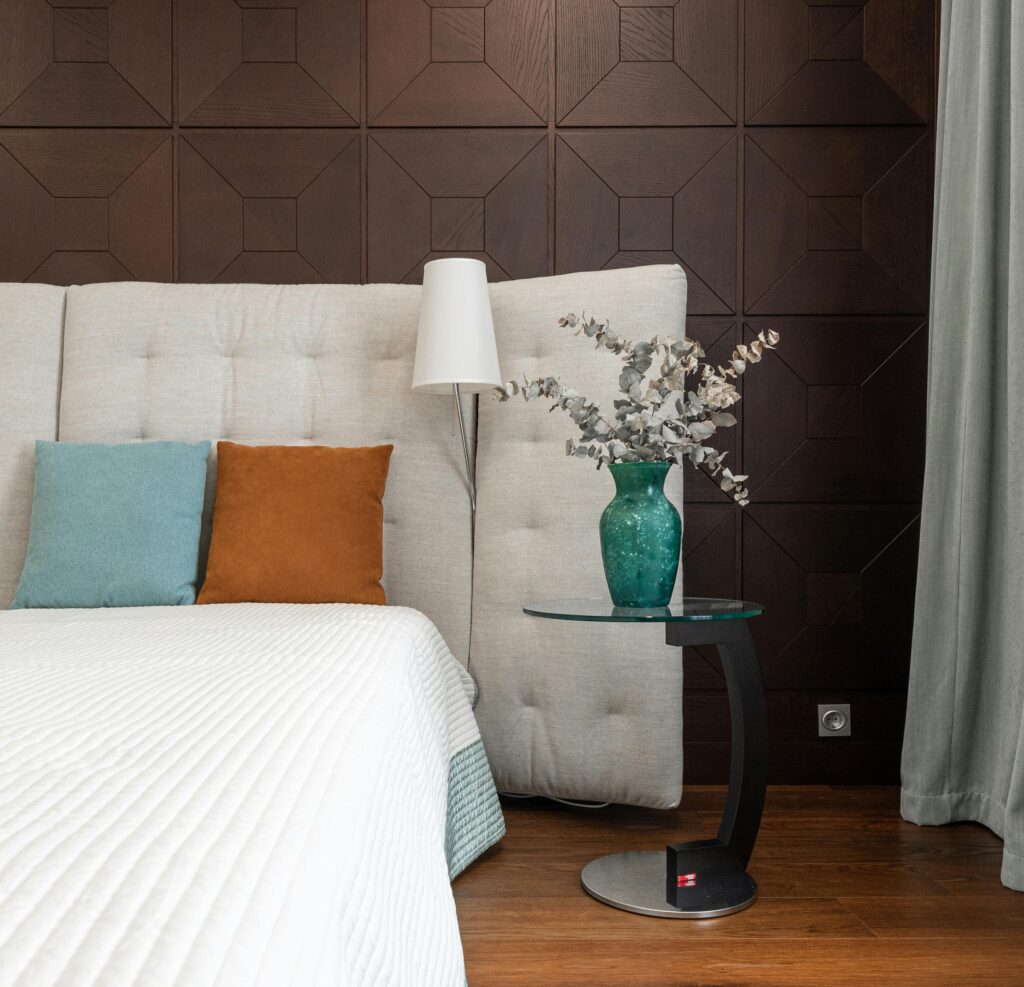
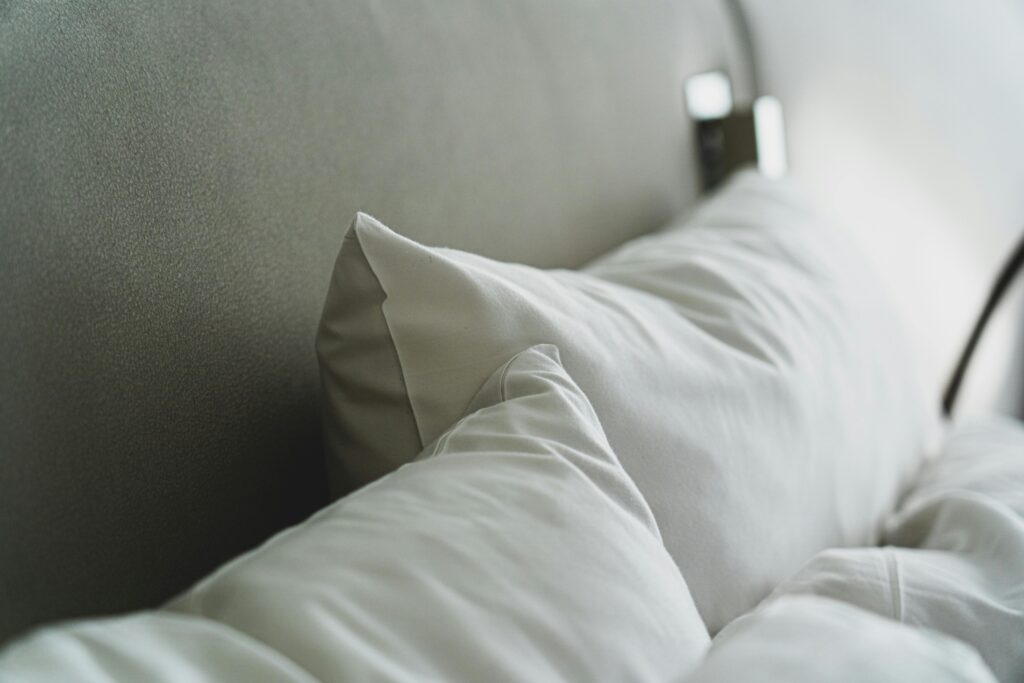
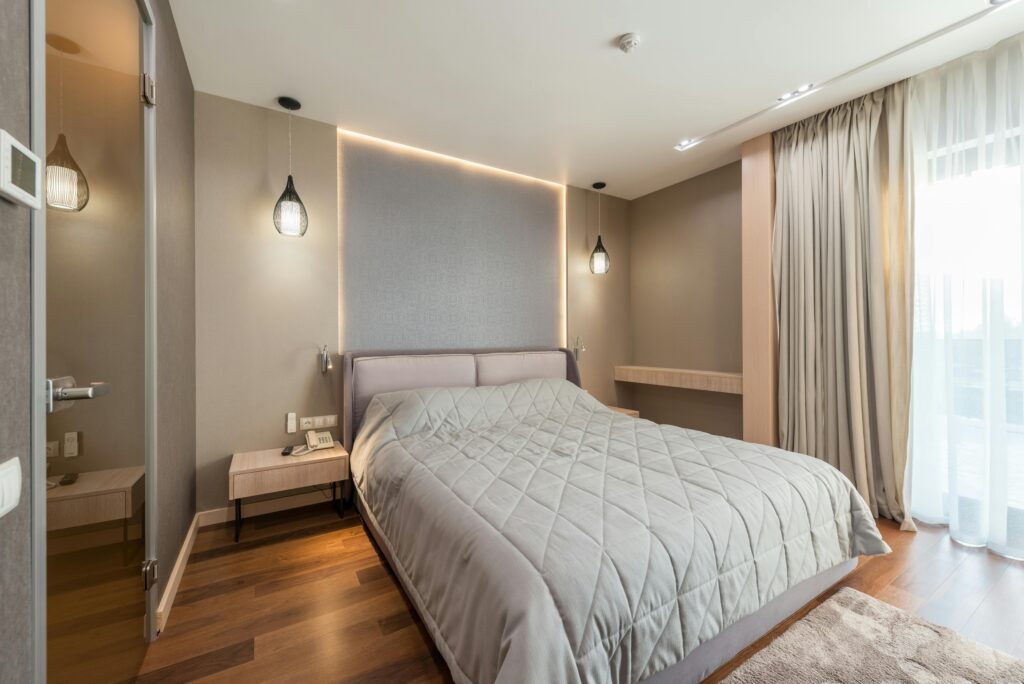
I never thought I’d become the kind of person who obsesses over bedsheets. For most of my adult life, I operated under the naive assumption that a sheet was just a sheet—something functional to separate my body from the mattress, nothing more. I’d grab whatever was on sale at the big-box store, usually some microfiber set in a muted grey, and call it a day. I didn’t know what I was missing.
It all started on a trip to New York City. I’d booked a room at what I thought was a modest boutique hotel, the kind with exposed brick and a trendy coffee bar in the lobby. The mattress was decent, the pillows were fine, but the sheets. Oh, the sheets.
The moment I slid into bed that first night, I felt something I’d never experienced before. The fabric was cool against my skin, impossibly smooth, with a crispness that felt both substantial and airy at the same time. It wasn’t slippery like satin or heavy like flannel. It was something else entirely. I actually checked the label on the corner of the fitted sheet, half-convinced I’d stumbled upon some secret luxury brand. The tag simply read: 100% Egyptian Cotton.
That night, I slept like I hadn’t slept in years. No tossing, no turning, no waking up sweaty in the middle of the night. I woke up feeling genuinely rested, and I couldn’t stop thinking about those sheets. The obsession had begun.
The Quest Begins: Understanding What I Was Actually Looking For
Back home, I started my research. I was determined to recreate that hotel experience, but I quickly realized I’d entered a world more complicated than I’d ever imagined. Egyptian cotton, I learned, wasn’t just a marketing buzzword—it was the real deal . The cotton is grown in the Nile River Valley, where the unique climate and rich soil produce fibers that are longer and finer than any other cotton in the world .
Here’s the thing about cotton that I never knew: the length of the fiber, called the “staple,” determines everything. Regular cotton has short fibers, which means when you weave it into fabric, there are more ends poking out. That’s what makes it feel rough and causes that annoying pilling after a few washes . Egyptian cotton? Its extra-long fibers can be spun into much finer, smoother yarns. It feels softer, it’s stronger, and it somehow gets better with every wash .
A friend of mine, who’d been a luxury-bedding convert for years, gave me a piece of advice that changed everything: “Stop looking at the thread count,” she said. “Focus on the cotton itself.” She explained that the industry’s obsession with thread count is largely a marketing game. Some manufacturers use cheap, multi-ply threads to inflate the numbers, so a 1000-thread-count sheet could actually feel rougher than a 300-thread-count sheet made with genuine long-staple cotton . It was like realizing the price tag on a bottle of wine doesn’t always tell you if it’s good. I needed to look at the vineyard, not the price.
The Chemistry of Comfort: Staple Length and Certification
I dove deeper into the science. Egyptian cotton belongs to the Gossypium barbadense species, known for producing extra-long staple (ELS) fibers. A typical cotton fiber is about 24-28 millimeters long. Authentic Egyptian cotton fibers can exceed 38 millimeters . That extra length is what gives the sheets their unique properties: strength, softness, and resistance to pilling .
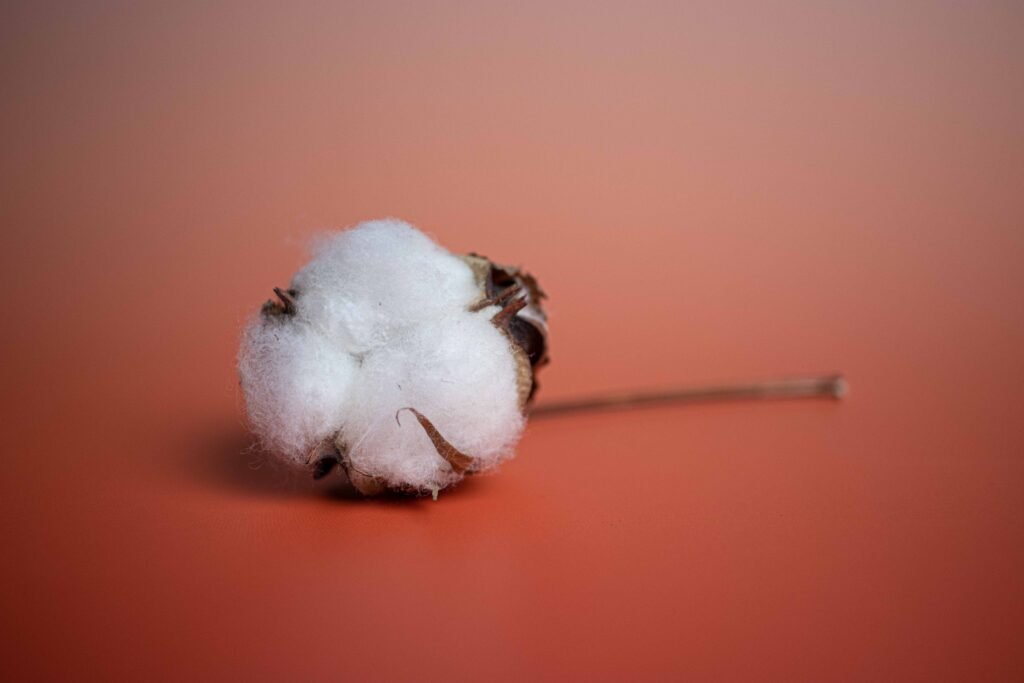
But here’s where the whole quest nearly derailed. I started noticing that every other brand online claimed to sell “Egyptian cotton.” The internet was flooded with them—dozens of listings at wildly different prices, all using the same keywords. I quickly realized the market is full of fakes . A 2016 study cited by experts found that nearly 90% of products labeled “Egyptian cotton” were either blends or entirely different fibers . It was like trying to buy a Rolex from a guy on the street—chances were high you were getting a counterfeit.
To separate the real from the fake, I learned to look for the Cotton Egypt Association (CEA) trademark. This is the gold standard. The CEA is the only organization that can certify that the cotton was actually grown in Egypt, analyzed, and is 100% pure . If a brand doesn’t display that little black-and-gold seal, you’re taking a gamble . I also started looking for OEKO-TEX Standard 100 certification, which ensures the fabric is free from harmful substances and safe for sensitive skin . That became my non-negotiable. I wanted sheets that felt incredible and were also good for me and the planet.
The Great Weave Debate: Percale vs. Sateen
Armed with this knowledge, I realized there was another major choice I had to make: the weave. It turns out, the same Egyptian cotton can feel completely different depending on how it’s woven . It’s like the difference between a crisp, tailored linen suit and a flowing, silk dress. Both are beautiful, but they serve different purposes and offer different experiences.
I learned there are two main types of weaves for luxury sheets:
Percale is the classic, crisp weave. It’s a simple one-over, one-under pattern that creates a matte finish. Percale is known for being breathable, cool, and durable. It’s the kind of sheet that feels like a fresh, starched hotel pillowcase, but softer . I could see why hot sleepers like me would be drawn to it. It feels light and airy, with a subtle crinkle that gets more comfortable over time.
Sateen, on the other hand, is the glamorous one. It’s a four-over, one-under weave that creates a silky, smooth surface with a subtle sheen . Sateen sheets are heavier, drape beautifully, and feel like butter against the skin. They’re warmer and less breathable than percale, but they offer that ultra-luxurious, high-end hotel feel .
I even encountered the term Giza, which is a specific, highly prized type of Egyptian cotton grown in the Nile Valley. Giza 45 is the crème de la crème, accounting for only 0.5% of all Egyptian cotton, with exceptionally fine, extra-long fibers . I knew I might not be able to afford that, but it was good to know the hierarchy of quality.
The Contenders: My Search Through the Digital Market
My virtual shopping cart became a graveyard of almost-purchases. I spent hours combing through reviews, comparing certifications, and verifying CEA licenses. I wanted to find the best of the best—sheets that were genuinely organic, premium, and sourced from that legendary Egyptian cotton. Here are the brands that made it to my finals.
1. The Gold Standard: Parachute
Parachute kept appearing in my research as a leader in the space, particularly their Venice Egyptian Cotton Bedding Set . Their sateen weave sheets were praised for their silky, hotel-quality weight without being too shiny. One reviewer even mentioned she’d had hers for seven years and noticed no drop in quality after hundreds of washes . That’s the kind of longevity I was looking for.
- Why I liked it: Reputation and durability. It felt like a safe, trustworthy investment.
- The Details: Sateen weave, available in a range of colors, and they encourage washing in cold water on a delicate cycle .
2. The Value Proposition: California Design Den
California Design Den was a surprise contender. Their 100% Egyptian Cotton Sheets were ringing up at under $100 for a queen set, which felt almost too good to be true . But they had the credentials. Amazon reviewers consistently said the sateen sheets felt soft and silky, though they noted a bit of the sheen faded after washing .
- Why I liked it: Accessibility. It proved that you don’t need to spend a fortune for authentic Egyptian cotton.
- The Details: Sateen weave, deep pockets for thick mattresses, and they claim to get softer with every wash .
3. The Understated Classic: Saatva
Saatva, more famous for their mattresses, also made a serious play in the sheet game. Their Percale Sheet Set was recommended for its use of 100% long-staple organic cotton . Their sheets boast a 200-thread-count percale weave and a generous 365-night home trial .
- Why I liked it: The percale weave appealed to my hot-sleeping nature.
- The Details: Crisp, cool finish, designed for year-round use, and a strong focus on durability .
4. The Sensitive Skin Savior: MEISHANG
I came across MEISHANG’s 600 Thread Count Sateen Sheets while browsing Amazon. They’re made from 100% Egyptian cotton and boast OEKO-TEX certification, meaning they’re free from harmful chemicals . For someone with sensitive skin, this was a huge plus. The sateen weave promised a silky, soft feel with a beautiful drape .
- Why I liked it: The certification and the promise of a safe, healthy sleep environment.
- The Details: Sateen weave, breathable, and they don’t pill, fade, or shrink easily .
5. The Conscious Choice: Thread Spread
Thread Spread’s 100% Organic Cotton Bed Sheet Set caught my eye, even though it wasn’t strictly Egyptian cotton. Their percale sheets are GOTS and OEKO-TEX certified, meaning they’re grown and processed under strict environmental and social standards . They’re crisp, cool, and lightweight, perfect for hot sleepers who care about the planet .
- Why I liked it: Their commitment to sustainability. They use less water and reduce carbon footprint .
- The Details: Percale weave, 300 thread count, and they get softer with every wash .
The Verdict: Making My Choice
It took weeks, but I finally settled on two options to test: the Parachute Venice set for its undeniable reputation and the Saatva Percale set for its hot-sleeper-friendly design. I ended up ordering the Parachute set for our bedroom and the Saatva for the guest room, which I figured would give me the perfect excuse to test both thoroughly.
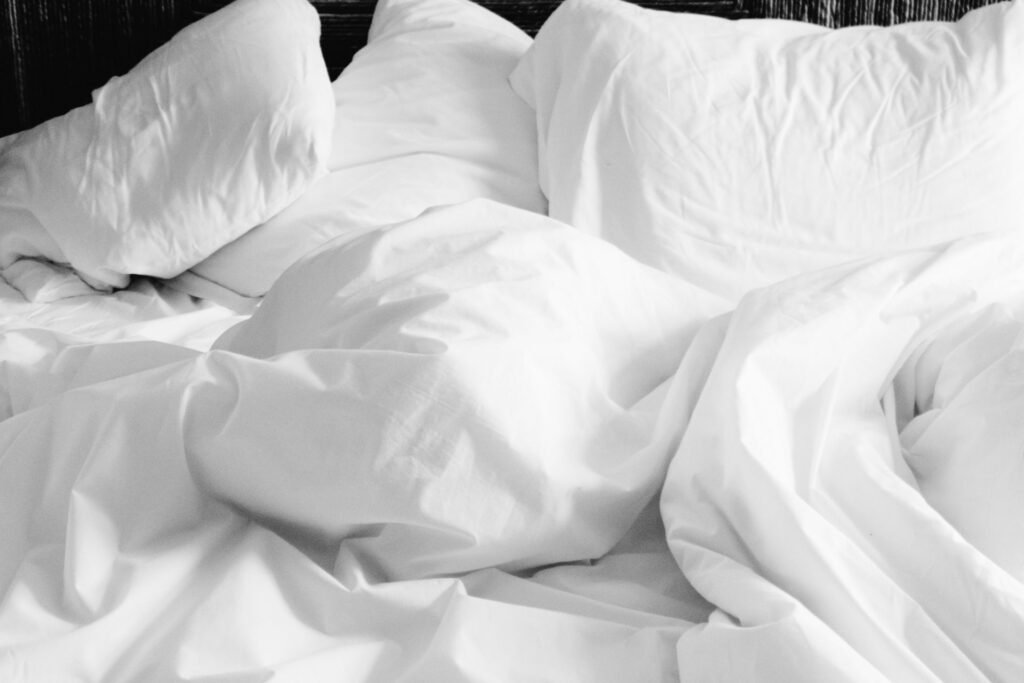
When the Parachute box arrived, I felt like a kid on Christmas morning. The sheets were packaged beautifully. I washed them as instructed—cold water, delicate cycle—and made the bed. Sliding in that night was a revelation. The sateen fabric was smoother than I’d ever imagined, with just the right amount of weight. It felt cool to the touch but warm enough not to be shocking. It was luxurious.
The Saatva percale sheets in the guest room were a different kind of joy. They had that unmistakable crispness I associate with the finest hotels. They were incredibly breathable, and the cool, matte finish felt amazing against the skin. I could see why people rave about them.
The Final Piece of the Puzzle: The Economics of Quality
What really sealed the deal for me was something I hadn’t considered until I stumbled upon a breakdown of costs. It compared the long-term value of premium Egyptian cotton sheets against cheaper alternatives. While an Egyptian set might cost $259 upfront, its 10-year lifespan meant a 14-year total cost of just $259, or about $18.50 per year . A cheaper organic set might cost $169 but only last about seven years, meaning you’d need to buy two sets over the same period, costing you more in the long run .
It’s the classic boots theory of economics. Buying quality once is cheaper than buying junk twice. These sheets weren’t just a purchase; they were an investment in my health, my comfort, and my wallet.
The Care: How to Keep Them Perfect
I learned that maintaining these sheets is an art. To keep them in pristine condition:
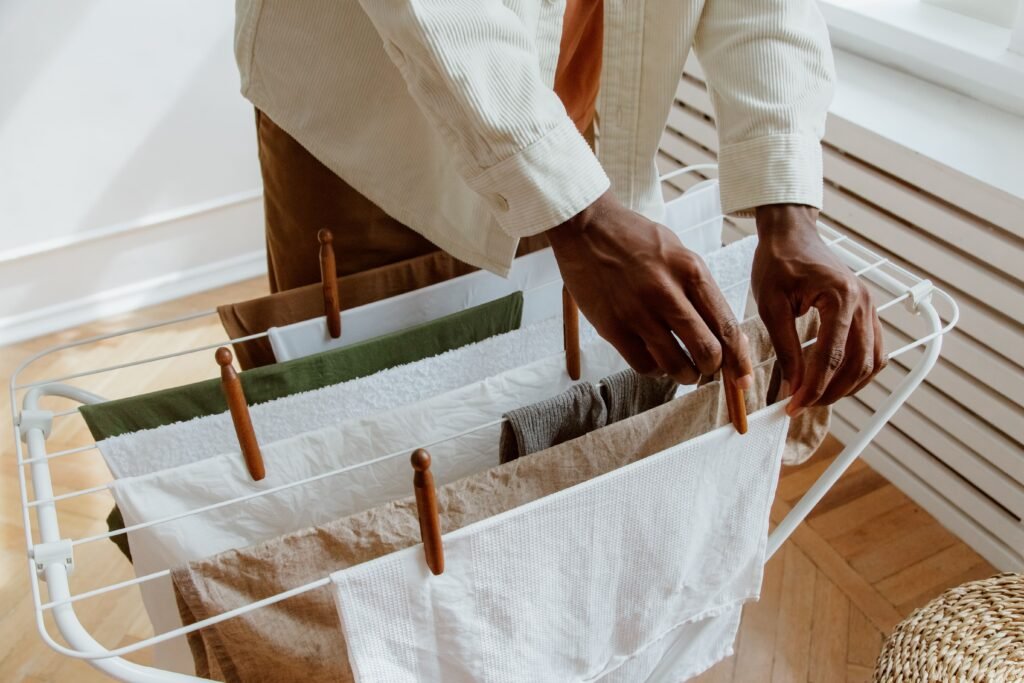
- Wash in cold water on a gentle cycle . Heat is the enemy of those delicate long fibers.
- Tumble dry on medium or low heat. High heat causes fiber stress that compounds over time .
- Avoid fabric softener. It can coat the fibers and ruin their natural breathability and absorbency. Wool dryer balls are a better choice .
- Remove promptly from the dryer. This minimizes wrinkles, which are the one downside to these sheets. They wrinkle beautifully, like a linen shirt, but some prefer a more pristine look.
The Experience: More Than Just Sleep
Now, months later, I can’t imagine ever going back. There’s something profoundly comforting about making the bed with these sheets. The weight of the fabric, the smoothness under my fingers, the way the light catches the subtle sheen of the sateen weave. It’s a ritual that signals the end of the day.
These sheets have transformed my sleep routine. I fall asleep faster, I sleep deeper, and I wake up feeling more rested. It’s not just about comfort; it’s about the knowledge that I’m sleeping on something pure, something that was crafted with care from the soils of the Nile River Valley, something that was made to last.
Conclusion
My journey from bedsheet skeptic to passionate enthusiast taught me that quality isn’t just a buzzword. It’s woven into every fiber of the fabric. It’s in the warm, dry air of Egypt, in the ancient soils of the Nile delta, and in the skilled hands that spin, weave, and finish the sheets. When you buy authentic premium organic Egyptian cotton, you’re not just buying a piece of cloth. You’re buying a piece of history, a commitment to quality, and the promise of the best sleep of your life. It’s a story you get to be a part of every single night.
Frequently Asked Questions
How can I tell if Egyptian cotton sheets are real?
The most reliable way to verify authenticity is to look for the Cotton Egypt Association (CEA) trademark on the packaging. This certification ensures the fibers were grown in Egypt’s Nile River Valley and are 100% pure . You should also see OEKO-TEX Standard 100 certification, which verifies the sheets are free from harmful substances . Be wary of vague language like “Egyptian-inspired” or “Egyptian-quality,” which are red flags for counterfeit products .
What’s the difference between percale and sateen sheets?
The difference comes down to the weave. Percale is a one-over, one-under weave that produces crisp, cool, and matte-finish sheets, making them ideal for hot sleepers . Sateen is a four-over, one-under weave that creates a silky, smooth, and slightly shiny fabric that drapes beautifully and feels heavier and slightly warmer . It’s a matter of personal preference—percale for a classic hotel feel, sateen for indulgent luxury.
Is a higher thread count always better?
No. Thread count is often a misleading metric. Many manufacturers inflate the count by using multi-ply yarns or cheap materials . A 300-thread-count sheet made with authentic long-staple Egyptian cotton will be far softer, more breathable, and more durable than a 1000-thread-count sheet made from short-staple cotton . Focus on the quality of the cotton and the certification, not just the number on the box .