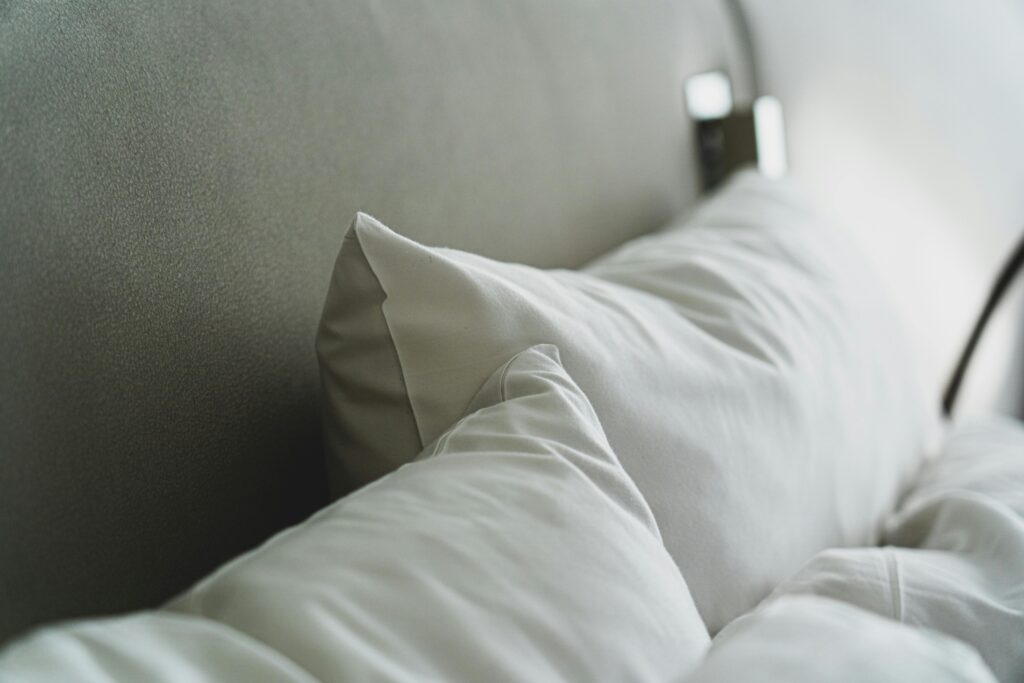
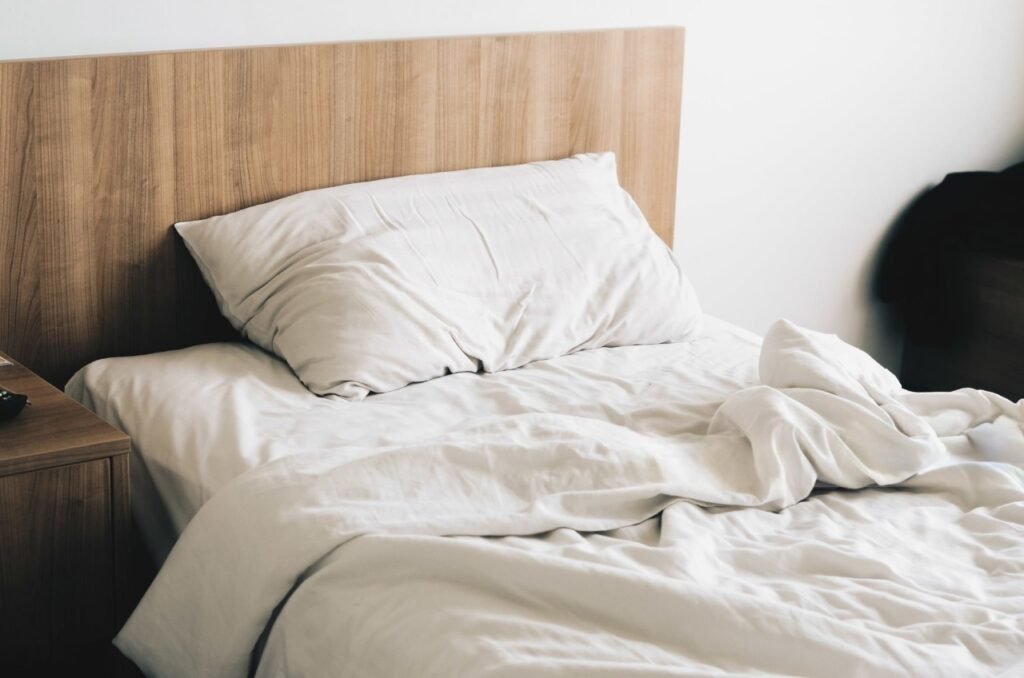
It was a Tuesday evening, and I found myself staring at my bed. The sheets were crisp—or rather, they had been crisp, about three weeks ago. Now, they just looked… lived-in. I rationalized it, as we all do. I shower before bed. I’m just sleeping. How dirty can it really get?
To answer that question, I decided to call in the experts. Not just any experts, but the people who have dedicated their lives to the largest organ of the human body: dermatologists.
The Wednesday Morning Reality Check
Dr. Jennifer Lucas, a dermatologist at the Cleveland Clinic, didn’t mince words when I spoke to her about my three-week streak. “If you think about what you’re doing at night, you’re laying down, you’re rolling around,” she explained. “You’re shedding those skin cells and then bacteria get added on, especially if you’re not cleaning those sheets regularly” .
It was a polite way of telling me I was sleeping in a petri dish.
But it’s not just the bacteria. According to dermatologist Sean McGregor, DO, also of the Cleveland Clinic, the average person sheds a gram and a half of dead skin cells daily. Visually speaking, that’s about half a teaspoon of dead skin every single night . That’s not a massive amount for one night, but over the course of a week? That’s 3.5 teaspoons. Over my three-week stretch? I had essentially created a thin layer of myself embedded in the fabric.
The One-Week Rule: Is It Really the Gold Standard?
Every dermatologist I consulted echoed the same baseline. “The general recommendation is about every week, maybe even more often if it’s your pillowcase,” said Dr. Han Lee, a board-certified dermatologist in Pasadena . The American Academy of Dermatology aligns with this, suggesting that to keep your skin clear and healthy, a weekly wash is the way to go .
But here’s the nuance that many articles miss: The “one-week rule” is a median. It’s the average for an average person in an average climate. If you live in a hotter, more humid environment, you might find yourself needing to wash more frequently. Why? Because bacteria and fungi (the stuff that can cause breakouts and athlete’s foot) thrive in warm, moist environments. During the summer months, when you’re sweating more at night, that one-week timeline shrinks to about five to seven days .
The Hidden Costs of a “Skin Cell Buffet”
Why are dermatologists so insistent on this? It’s not just a cleanliness obsession; it’s about physics and biology.
- The Dust Mite Problem: Your shed skin cells aren’t just sitting there looking gross. They are a feast for dust mites. These microscopic creatures are the primary cause of indoor allergies. If you wake up with a stuffy nose or itchy eyes, your unwashed sheets might be the culprit.
- The Breakout Cycle: For those of us prone to acne, the pillowcase is public enemy number one. Dermatologist Joshua Zeichner notes that pillowcases should be changed even more frequently—every two to three days—if you are struggling with breakouts . You wash your face, you apply serums, and then you lay your head down on a surface that has absorbed three days’ worth of previous oils, hair products, and sweat. It’s a transfer of grime that can undo all your hard work.
- Eczema and Irritation: For those with sensitive skin or conditions like eczema, that build-up of bacteria and dust mites can literally break down your skin’s natural barrier, leading to irritation and flare-ups .

The Great Pillowcase Debate: How Often is Too Often?
Let’s talk about the “face” of the operation—the pillowcase.
While the rest of the sheets might survive a week (or ten days in the winter), the pillowcase is a different beast. It directly touches the delicate skin of your face, your hair (and all the products in it), and your neck.
Dr. S. Tyler Hollmig, a dermatologist at Dell Medical School, supports the weekly rule for sheets but emphasizes that pillowcases might need a different schedule . If you sleep hot, sleep with a partner, or have oily skin, you are essentially marinating in a cocktail of bacteria and oil.
The rule of thumb for a clearer complexion:
- Standard: Change your pillowcase every 3–4 days.
- Acne-prone: Change it every 1–2 days .
The Great Pillowcase Debate: How Often is Too Often?
Let’s talk about the “face” of the operation—the pillowcase.
While the rest of the sheets might survive a week (or ten days in the winter), the pillowcase is a different beast. It directly touches the delicate skin of your face, your hair (and all the products in it), and your neck.
Dr. S. Tyler Hollmig, a dermatologist at Dell Medical School, supports the weekly rule for sheets but emphasizes that pillowcases might need a different schedule . If you sleep hot, sleep with a partner, or have oily skin, you are essentially marinating in a cocktail of bacteria and oil.
The rule of thumb for a clearer complexion:
- Standard:Change your pillowcase every 3–4 days.
- Acne-prone:Change it every 1–2 days .

The "I Can't Be Bothered" Exemption: How Long is Too Long?
Okay, let’s say I wanted to push the limits. What is the absolute maximum a human being could go without washing their sheets?
Dr. Lucas and the team at Cleveland Clinic suggest that two weeks is the absolute outer limit for most people . But even that comes with a warning. By day 14, your bedding has reached a level of contamination that can be detrimental to your skin and respiratory health.
However, there is an exception. If you meet very specific criteria, you might be able to stretch it to the two-week mark:
- You shower immediately before bed every night.
- You don’t have pets.
- You don’t have allergies or asthma.
- You don’t sweat significantly at night.
- You live in a moderate climate (not hot/humid).
- You wear pajamas that cover most of your body .
For the rest of us? Once a week is the golden rule, and twice a week for the pillowcase if you want to actually see the benefits of your skincare routine.
The “Viral” Factor: Washing During Sickness
Here’s something we don’t think about often. If you’re sick—whether it’s a cold, flu, or something like COVID-19—those sheets need to be washed immediately, and then again every two to three days during your recovery .
During the COVID-19 pandemic, Dr. Zeichner advised his patients to cut their normal wash periods in half . The reasoning is simple: you are leaving bacteria, viral particles, and high amounts of mucus on your fabric. You’re not just sleeping; you’re re-inhaling and re-exposing yourself to the germs you just coughed up.
Fabric Matters: Cotton vs. Silk vs. Bamboo
Let’s talk about the science of the fabric you sleep on. It’s not a “one-size-fits-all” scenario.
Cotton: This is the classic. It’s breathable and affordable, but it is highly absorbent. This means it’s great for absorbing sweat, but it also means it’s absorbing your expensive nighttime serums and drawing them away from your face. Plus, if it’s a high-friction, cheap cotton, it can tug at the skin and potentially contribute to “sleep wrinkles” .
Silk and Satin: These are the holy grails for dermatologists, specifically for the face. Why? They reduce friction. This means less pulling on the skin, fewer creases, and less irritation for those with rosacea or eczema. Furthermore, they are less absorbent than cotton, meaning your skincare stays on your skin, not on your pillowcase. The caveat? They require delicate washing, and silk can be expensive .
Bamboo: This is the up-and-coming favorite. Bamboo sheets tend to have a slight antimicrobial property, are naturally breathable, and offer a softness that rivals cotton. It’s a good middle-ground for those who want the breathability of cotton with a bit of extra hygiene support .
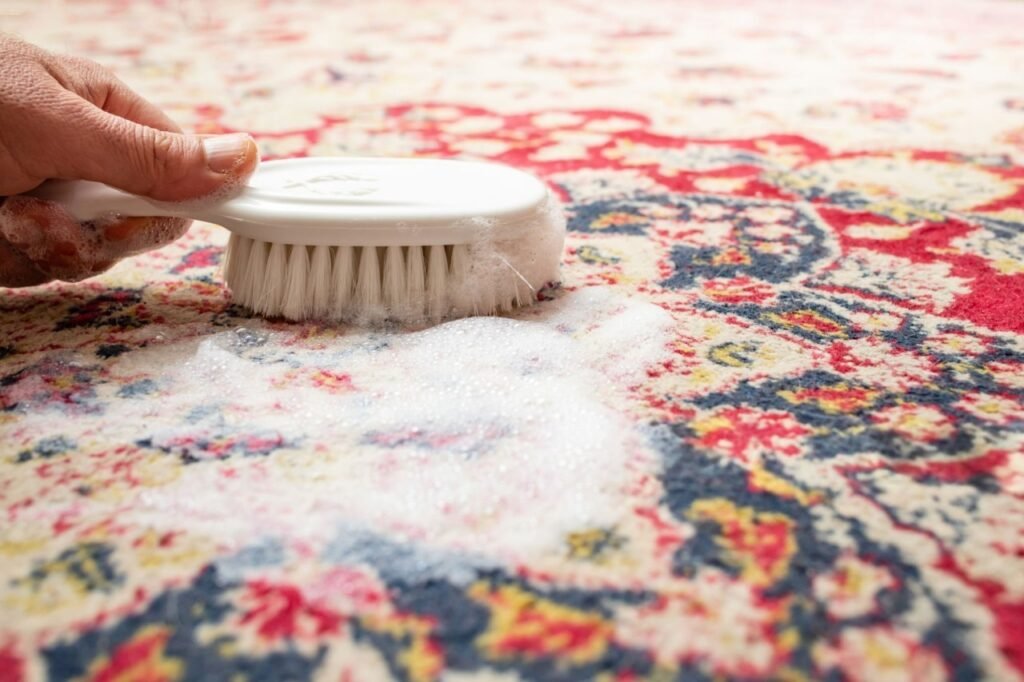
The Washing Method: It’s Not Just About DetergentThe Washing Method: It’s Not Just About Detergent
If you’re going to put in the effort to wash your sheets, do it right.
- Temperature Matters:“Use the hot cycle on the washer to help kill off any bacteria,” advises Dr. Lucas . While cold water is great for colors, hot water is necessary to kill dust mites and break down body oils. However, if your sheets are silk or linen, follow the manufacturer’s instructions—often that means washing in cool water and air drying to prevent shrinkage .
- The Detergent Choice:For those with sensitive skin, this is crucial. Dr. Shoshana Marmon recommends choosing a gentle, fragrance-free detergent and avoiding fabric softeners or dryer sheets. These softeners often contain fragrances or harsh chemicals that can cause irritation or exacerbate conditions like eczema .
- The “Naked” Factor:I didn’t realize this was a factor, but Dr. McGregor pointed out that “the less clothes you wear, the more skin exposure you’re getting on your pillowcases and on your sheets” . If you sleep naked, you are shedding your entire body’s oils and cells onto the sheets, which accelerates the need for washing.
The Nightly Habit to Extend Your Wash Cycle
While dermatologists recommend a weekly wash, they aren’t unrealistic. A week is a short amount of time when you’re busy. However, they do suggest one key habit that can “buy you a day” or two: Showering before bed.
“People often ask if they should wash their face at night. Yes, get all of that dirt, that grime, that makeup off. So, when you’re laying your head down, you’re not getting your facial products, your hair products on the bed and rolling around in those throughout the evening,” says Dr. Lucas .
She even warns against sleeping with wet hair. “Wet hair can create a breeding ground for bacteria on your pillow,” she cautions .
Conclusion: The Verdict
So, after a journey through the microscopic wasteland of my own bedroom, I finally have the answer to the question: How many days can you actually go without washing your bedding?
- The Absolute Limit: 14 days (two weeks), but this is pushing it and requires ideal conditions.
- The Dermatologist-Approved Gold Standard: 7 days.
- The Skincare Savvy Standard: 3–4 days for pillowcases if you want clear skin.
Don’t let the lazy voice in your head win. It might seem like a chore, but as Dr. Han Lee wisely put it, “When in doubt, change it out” .