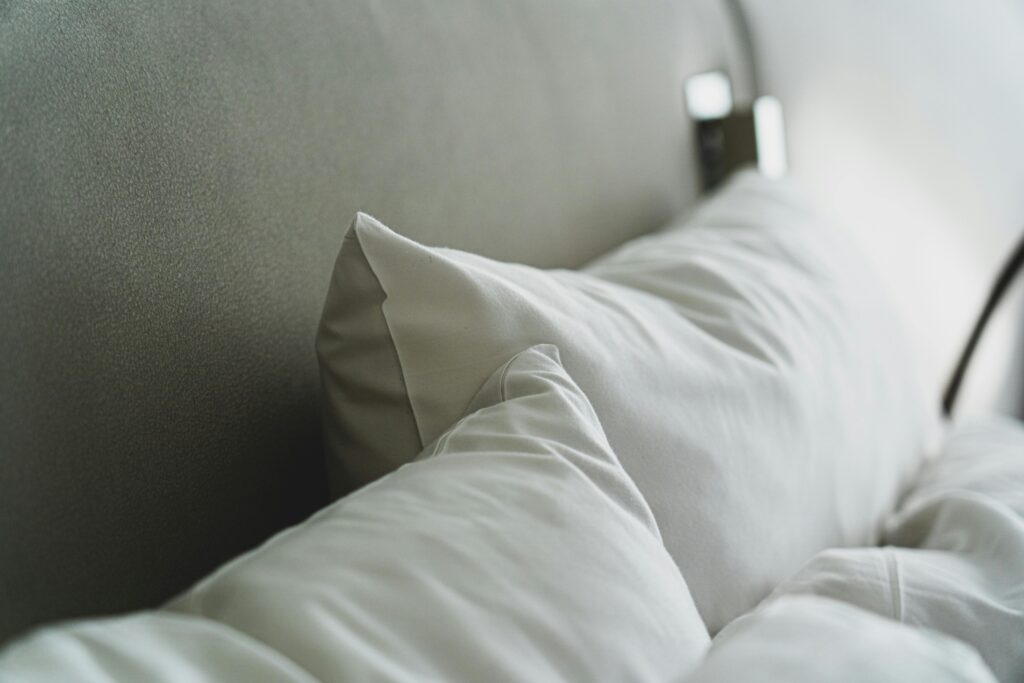
It started, as most of my great life realizations do, at 3:17 AM. The wind was doing that low, mournful howl against the windowpane—the kind that sounds wonderful in a movie when you’re wrapped in a blanket with hot cocoa, but terrifying in real life when you realize you left the garage door open.
I was frozen.
Not the dramatic, romantic frozen from Frozen. I mean the miserable, teeth-chattering, “why-is-my-nose-an-ice-cube” kind of frozen. I was buried under what I thought was a perfectly good comforter, wearing flannel pajamas and two pairs of socks, yet I was shivering like a chihuahua in a blizzard.
My wife, Sarah, was sleeping peacefully next to me. Infuriatingly peacefully. She was a toasty little burrito of warmth, while I was a popsicle.
“Sarah,” I whispered, poking her shoulder.
Nothing.
“Sarah!” I hissed a little louder.
“Mmrrph. If you say you’re cold again, I’m divorcing you,” she mumbled without opening her eyes.
I sighed. This was our third winter in the house, and our third winter of this argument. Sarah runs hot—like a radiator on full blast. I run cold—like a forgotten side of leftovers. We had tried everything. We fought over the thermostat until the dog started wearing a sweater. We tried separate blankets, which felt like we were running a hostel, not a marriage.
Then, last week, my grandmother called. “Did you get the package?” she asked, her voice crackling with the static of an old rotary phone.
“Gran, if it’s another fruitcake, I swear…”
“Listen here, smarty-pants,” she scolded. “It’s flannel. Real flannel. From that old mill in Vermont. You put that on your bed, and you’ll stop whining about the cold. And for heaven’s sake, stop waking up your wife.”

When the package arrived, it was unassuming. A simple cardboard box. Inside was a set of bedsheets that looked… ordinary. They were a deep charcoal grey, soft to the touch but not silky. They had a slight fuzz to them, like the belly of a newborn kitten.
That night, I stripped the bed. I threw off the crisp, cool percale cotton sheets we had bought in a moment of summer ignorance. I shook out the new flannel sheets. They felt heavy in my hands. Substantial. As I tucked the fitted sheet over the mattress, I noticed something different. The cotton wasn’t biting at my fingers. It was… welcoming.
Sarah walked in, toothbrush in mouth. “What are you doing?”
“Gran sent sheets,” I said, pulling the flat sheet taut.
She touched the fabric, raising an eyebrow. “Isn’t flannel for lumberjacks?”
“Maybe lumberjacks sleep better than we do,” I shot back.
That first night, I climbed into bed with the usual dread of the “cold pocket” that forms between the mattress and the blanket. But it didn’t come. The sheets didn’t shock my skin. Instead, they felt like stepping into a warm car on a freezing day. Within sixty seconds, my body heat was cradled by the fabric, held there, not reflected back like tinfoil, but softly cuddled.
I slept until 8 AM. For the first time in three years, I didn’t wake up once.
When I opened my eyes, Sarah was staring at me. “You didn’t snore,” she said.
“I wasn’t cold,” I replied.
“Keep the sheets. Keep the marriage.”
And that is how I became a student of the winter sheet. It sent me down a rabbit hole. I started researching, buying, testing. I annoyed my local linen store owner, a patient man named Harold who wears bowties and smells like lavender. I learned that “winter sheets” are not just a marketing gimmick. They are a science, a therapy, a survival tactic.
So, if you, like me, have been waging a nightly war against the cold, let me tell you the story of the fabrics I found, the ones that saved my marriage, and the ones that almost destroyed my laundry machine.
Chapter One: The Flannel Embrace
My grandmother, it turns out, is a genius. Flannel is the undisputed king of winter bedding. But not all flannel is created equal.
After my success with Gran’s gift, I went to a big-box store and bought a cheap “flannel” set because they were on sale (don’t judge me, I’m frugal). They looked great out of the package. They had cute little moose on them.
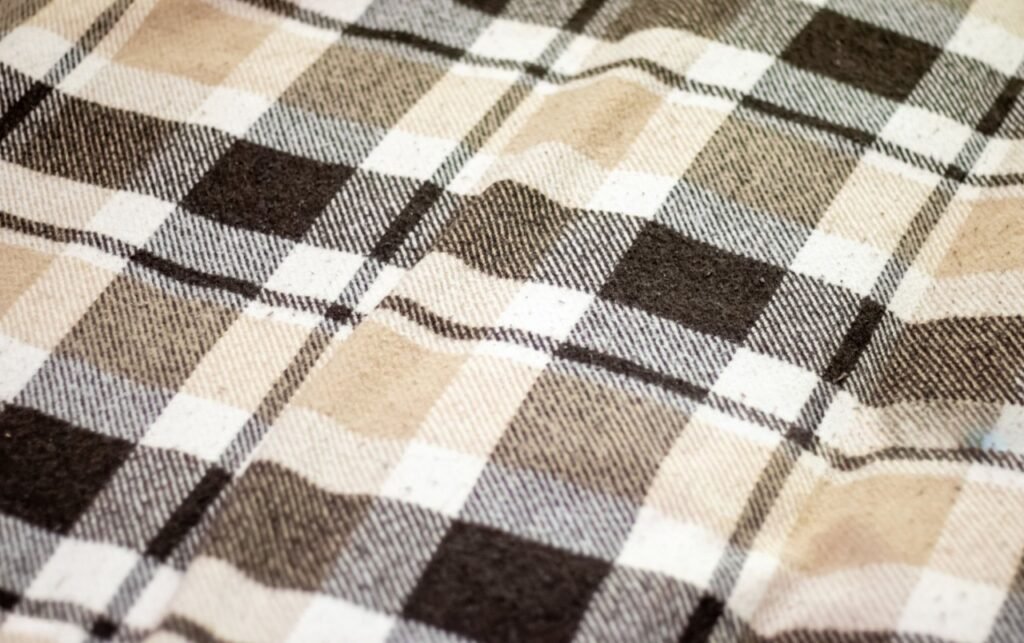
*[Image Placeholder 2: A close-up texture shot of high-quality flannel fabric, showing the napped surface and a plaid pattern. Alt text: Close up of soft flannel bedsheet texture]*
That night, I washed them. I followed the instructions. Gentle cycle. Cold water.
They came out looking like they had been attacked by a weed whacker. Pills. Hundreds of tiny, scratchy little pills of cotton all over the surface. It felt like sleeping on a thousand tiny pebbles. By morning, my legs looked like I had wrestled a cat.
Here is what I learned the hard way: Real winter flannel is “napped.”
“Napping” is a process where they take the fabric and gently brush it to raise the fibers. A single-napped flannel is brushed on one side (usually the side that touches your skin). A double-napped flannel is brushed on both sides. That is the holy grail. Double-napped flannel traps a layer of warm air right against your body. It’s like wearing a hug.
The cheap stuff? It’s usually made of short-staple cotton that breaks apart easily, creating those horrid pills. The good stuff—the Gran-approved stuff—uses long-staple cotton or even a bit of wool or silk blended in. It’s heavier. It costs more. But it feels like sleeping inside a cloud that specifically wants you to be warm and happy.
The Verdict on Flannel: If you are a cold sleeper like me, stop reading and go buy double-napped flannel. It is the Goldilocks of winter sheets—not too hot, not too cold, just right. Just don’t wash it in hot water, or you’ll have doll-sized sheets and a broken heart.
Chapter Two: The Velvet Surprise (And the Catastrophe)
Emboldened by my flannel success, I got cocky. I walked into a high-end home goods store (the kind where they play classical music and the salespeople follow you with clipboards). I saw a display of “Velvet Flannel” sheets.
They were absurdly luxurious. The color was a deep, midnight emerald. They felt like the fur of a mythical creature. The price tag made my eyes water, but I had a coupon and a Christmas bonus coming.
“These,” the saleswoman said, touching them reverently, “are like a weighted blanket for your soul.”
I bought them.
The first night, I felt like a pharaoh. The sheets were soft, heavy, and incredibly warm. Too warm, as it turns out. I woke up at 2 AM drenched in sweat. I flipped my pillow. The cool side didn’t exist. The velvet had trapped every single BTU of body heat I produced.
I turned the thermostat down to 58 degrees. Still sweating.
I opened the window. Woke up to a raccoon staring at me from the fire escape.
*[Image Placeholder 3: A luxurious but slightly messy bed with deep green velvet/flannel sheets, a rumpled duvet, and a digital thermometer showing 72 degrees. Alt text: Overheated bed with heavy velvet sheets]*
The breaking point came on night three. I had a nightmare that I was a rotisserie chicken. I kicked off all the covers, but the sheets were so heavy and grippy that I couldn’t escape. I woke up tangled like a mummy, gasping for air.
I learned a crucial lesson: Winter weight does not mean winter overheating.
Velvet and velour sheets are beautiful. They are decadent. But unless you live in an unheated cabin in the Yukon, they are overkill. They are for looking at, not for sleeping in. They do not breathe. They seal you in your own heat, and let me tell you, your own heat smells a lot worse at 4 AM than you think it does.
I returned the velvet sheets the next day. The saleswoman looked disappointed in me. I didn’t care. I was free.
Chapter Three: The Cotton Lie (Jersey Knits)
Around mid-January, I gave up on the fancy stuff. I was exhausted. I just wanted to sleep. I remembered my college days, when I didn’t care about “thread counts” or “napping.” I slept on a mattress on the floor with a sheet that felt like a T-shirt.
That sheet was Jersey knit.
Jersey knit sheets are essentially a giant, bed-sized t-shirt. They are made of cotton, sometimes blended with a little spandex to make them stretchy. They are not fancy. They don’t have a high thread count (thread count is actually a scam for winter sheets, but that’s a story for another time).
I bought a cheap grey set from a discount store. $24.99. I brought them home with low expectations.
[Image Placeholder 4: A person’s hand stretching a grey jersey knit bedsheet, showing the ribbed texture and elasticity. Alt text: Stretchy jersey knit bedsheet fabric]
And you know what? They were great.
Not spectacular. Not life-changing. But great. They are soft in a familiar way. They don’t have that initial ice-cold shock when you first get in. Because they are knitted (like a scarf) rather than woven (like a dress shirt), they have tiny little air pockets built right into the structure of the fabric.
The downside? They pill. Just like the cheap flannel, jersey knits are prone to getting those little fuzzy balls over time. Also, they are very casual. If you’re trying to make your bedroom look like a Restoration Hardware catalog, jersey knit sheets look like you gave up on life.
But for pure, utilitarian winter warmth? For the nights when you just want to curl up in a ball and not think about fabric science? Jersey knit is the reliable friend. It shows up. It does the job. It doesn’t complain. And it breathes well enough that my hot-blooded wife didn’t wake up thinking she was in a sauna.
The Jersey Verdict: Perfect for kids’ beds, guest rooms, or for you if you simply want to be cozy without the commitment of heavy flannel.

Chapter Four: The Wild Card (Bamboo and Microfiber)
I know what you’re thinking. “Bamboo? For winter? Isn’t that hippie summer stuff?”
Yes. And no.
I avoided bamboo viscose sheets for years because I assumed they were a gimmick. They feel silky, almost slippery. In the summer, they are incredible because they whisk moisture away (sweat disappears instantly). But in winter?
One of my readers (I started a tiny blog about my sheet journey, don’t laugh) swore by them. She said, “Bamboo is thermoregulating. It keeps you cool in summer and warm in winter.”
I was skeptical. But I tried a set.
The first night, I hated them. They were too smooth. My pillow slid off the bed. My blanket slid off the pillow. I felt like I was sleeping on an ice rink.
[Image Placeholder 5: A pile of smooth, pearlescent bamboo viscose sheets on a wooden chair, looking elegant and slippery. Alt text: Smooth bamboo viscose sheets folded]
But then I layered them. That was the secret. Bamboo is not a standalone winter sheet. If you use just bamboo, the cold air will cut right through. But if you put a bamboo fitted sheet on the mattress, then a thin cotton blanket, then a flannel top sheet? Magic.
The bamboo is breathable enough that you don’t overheat, but the layering creates a micro-climate. Think of it as the foundation garment of your bed. It provides a consistent, neutral temperature base so the other blankets can do their job.
Microfiber is the cheap cousin of bamboo. It’s plastic. Polyester. I tried a set of microfiber sheets from a famous online retailer. They were cheap, I’ll give them that. But they felt like sleeping on a trash bag. They don’t breathe at all. I woke up staticky. My hair stood on end. I shocked my cat just by looking at him.
Avoid microfiber for winter. It’s fine for a dorm room. It’s fine for a survival situation. But for your soul? No.
The Final Layering System (How I Saved My Sleep)
After two months of testing, returning, sweating, shivering, and annoying my wife, I found my perfect system. It is a mix of everything I learned.
Here is my bed, right now, as I write this:
- The Foundation: A bamboo viscose fitted sheet. It stays cool when the heat kicks on, and warm when the heat kicks off. It’s the mediator of the bed.
- The Hug: A double-napped flannel flat sheet (charcoal grey, from Gran’s brand).
- The Weight: A medium-weight wool blanket. Wool is nature’s original performance fabric. It wicks moisture, so if you do sweat, you don’t feel wet. It’s heavy, which is comforting.
- The Show: A down comforter with a cotton duvet cover (because duvets are easier to wash than comforters).
And here is the secret weapon: I use the “European layering” method. I don’t make the bed tight. I let the flannel sheet hang loose over the edge of the wool blanket. When I get in, I pull the duvet up to my chin, and then I tuck the flannel sheet under my body. It creates a sealed envelope of warmth.
Sarah, the human radiator, sleeps with just the bamboo sheet and the duvet. She kicks off the wool blanket by midnight. I burrow into the flannel like a happy little vole.
We don’t fight anymore. The dog sleeps at the foot of the bed, also toasty. The raccoon on the fire escape is on his own.
FAQs
1. Is a higher thread count better for winter sheets?
Honestly? No. Thread count is mostly a marketing trick for summer percale sheets. For winter, you want weight and texture, not tightness. A high thread count means the fibers are woven very tightly together. That’s great for crispness, but it actually blocks airflow. For flannel and jersey knit, thread count doesn’t even apply because they’re made differently. Look for “grams per square meter” (GSM) instead. A GSM of 150-200 is good for winter flannel.
2. Can I just use fleece sheets? They look so warm.
Please, for the love of all that is holy, do not buy fleece sheets. Fleece is polyester. It does not breathe. You will wake up in a puddle of your own sweat. Plus, fleece generates insane amounts of static electricity. I tried it once. I brushed my hair in the morning, and the pillowcase stuck to the wall. It’s great for a blanket on top of your sheets, but not as the sheet itself. Trust me on this.
3. How often should I wash winter sheets?
Because flannel and jersey knit are thicker, they trap dead skin cells and oils more than thin summer cotton does. You should wash them every week. But—big but—wash them in cold water only. Hot water will shrink the flannel and destroy the napping. Dry them on low heat, or better yet, hang them to dry for 10 minutes and then finish in the dryer on air-fluff. Also, skip the fabric softener. Fabric softener coats the fibers and ruins their ability to wick moisture. Use a half-cup of white vinegar in the rinse cycle instead. Your sheets will be soft, static-free, and your partner won’t divorce you.
So, here I am. It’s February. The wind is howling again. But tonight, I am not afraid. Tonight, I have my bamboo base, my flannel hug, my wool blanket, and my down cloud.
I reach over and touch Sarah’s shoulder.
“What?” she grumbles.
“I’m warm,” I whisper.
“Go to sleep, you weirdo.”
And I do. For the first time in my life, I actually look forward to winter. Because winter, I finally learned, is just an excuse to build the perfect nest.
Now, if you’ll excuse me, I have a date with a flannel sheet and a very good dream. Good night.