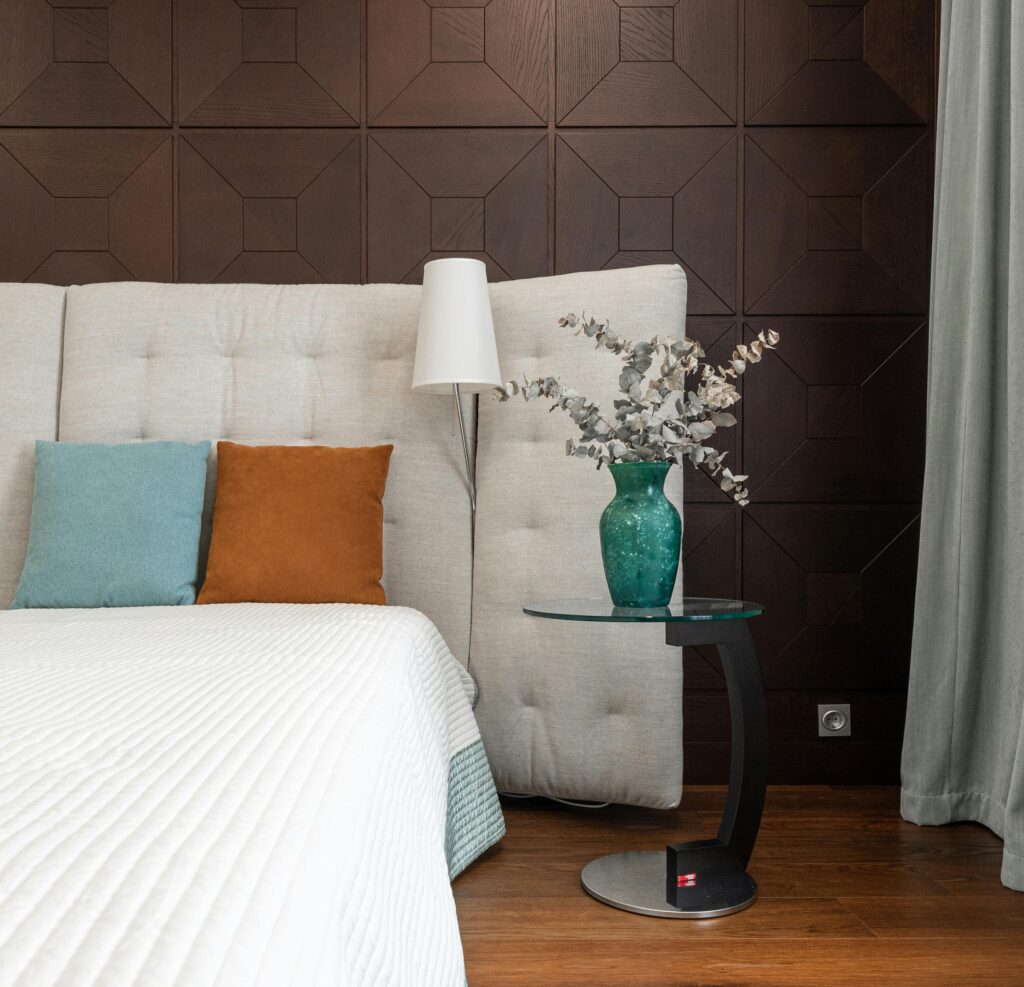
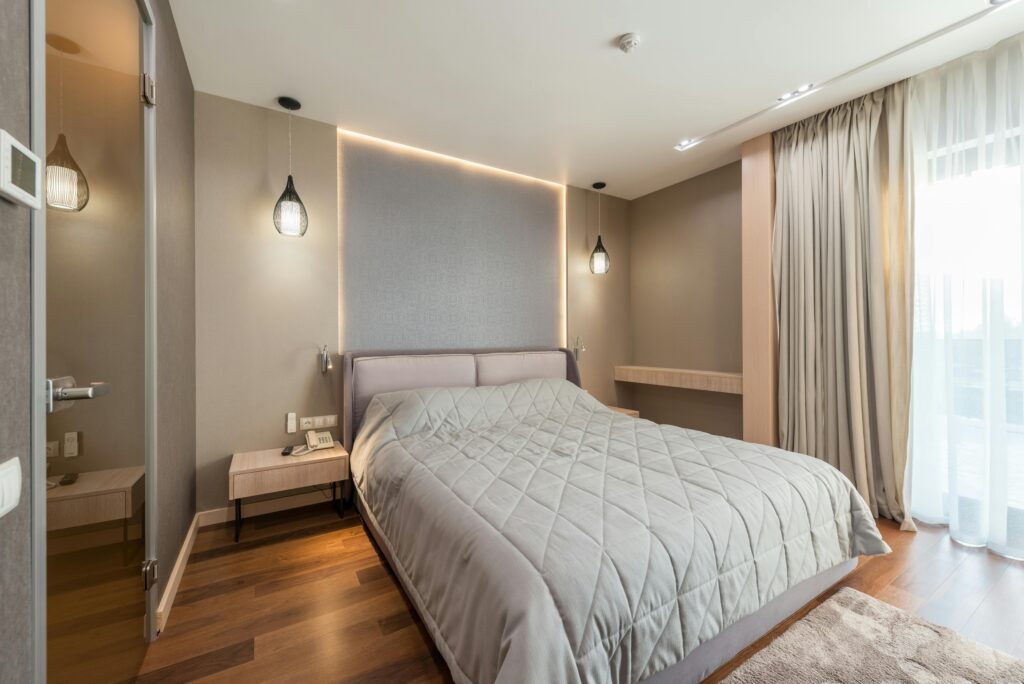
It was a Friday evening in Lahore, the kind where the smog had finally cleared, and a rare, cool breeze was slipping through the windows of my apartment. I was lying on my bed, but I wasn’t resting. I was staring at the ceiling, trying to ignore the itch.
My current bedsheet—a cheap, polyester thing I had bought in a hurry from a roadside stall on Mall Road—was sticking to my skin like plastic wrap. The colors had bled in the first wash, turning from a hopeful navy blue into a sad, bruised purple. I tossed. I turned. Eventually, I kicked the whole bundle to the foot of the bed and sat up.
“That’s it,” I said to my cat, who looked unimpressed. “We are fixing this.”
I opened my laptop, and the rabbit hole began. I realized I had no idea what I was doing. Thread count? Percale? Sateen? It all sounded like a science experiment. But my budget was firm. I couldn’t spend a fortune on luxury Egyptian cotton, but I also couldn’t sleep on sandpaper for another night. My limit was Rs. 3,000.
Three thousand rupees. In today’s economy, that’s a couple of pizzas, or four fancy coffees, or one decent shirt. But a bedsheet? Something that touches you for eight hours a night? It felt impossible.
But as I scrolled through Daraz, window-shopped in Gulberg, and pestered my mother for advice, I discovered a secret: Pakistan has a goldmine of textile manufacturing. We export to the world. Surely, we could find something good for ourselves under three grand.
After a month of testing, washing, sweating, and sleeping, I found five heroes. Here is their story.
It was a Friday evening in Lahore, the kind where the smog had finally cleared, and a rare, cool breeze was slipping through the windows of my apartment. I was lying on my bed, but I wasn’t resting. I was staring at the ceiling, trying to ignore the itch.
My current bedsheet—a cheap, polyester thing I had bought in a hurry from a roadside stall on Mall Road—was sticking to my skin like plastic wrap. The colors had bled in the first wash, turning from a hopeful navy blue into a sad, bruised purple. I tossed. I turned. Eventually, I kicked the whole bundle to the foot of the bed and sat up.
“That’s it,” I said to my cat, who looked unimpressed. “We are fixing this.”
I opened my laptop, and the rabbit hole began. I realized I had no idea what I was doing. Thread count? Percale? Sateen? It all sounded like a science experiment. But my budget was firm. I couldn’t spend a fortune on luxury Egyptian cotton, but I also couldn’t sleep on sandpaper for another night. My limit was Rs. 3,000.
Three thousand rupees. In today’s economy, that’s a couple of pizzas, or four fancy coffees, or one decent shirt. But a bedsheet? Something that touches you for eight hours a night? It felt impossible.
But as I scrolled through Daraz, window-shopped in Gulberg, and pestered my mother for advice, I discovered a secret: Pakistan has a goldmine of textile manufacturing. We export to the world. Surely, we could find something good for ourselves under three grand.
After a month of testing, washing, sweating, and sleeping, I found five heroes. Here is their story.
1. The Memory Keeper: Al-Karam Textile – “Sultan”
My first stop was not a fancy air-conditioned store. It was my mother’s old trunk. I called her in Islamabad.
“Ammi, where did you get those old bedsheets that lasted twenty years?”
She laughed. “Al-Karam. But they don’t make them like that anymore. They used to feel like maar ke—heavy, you know?”
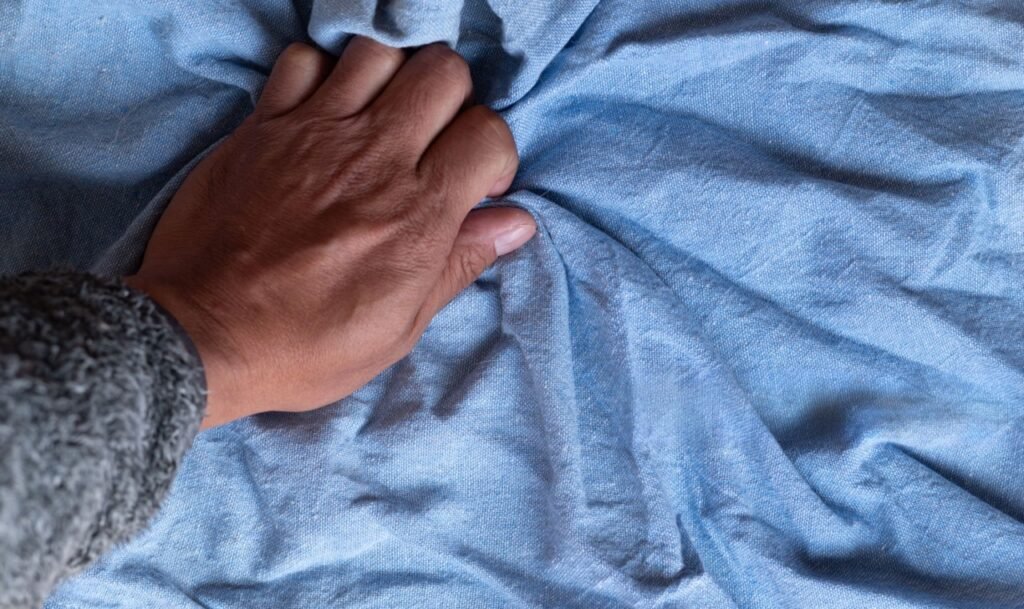
I went to an Al-Karam outlet skeptically. The moment I touched the Sultan series, I understood. It wasn’t the softest thing in the store. In fact, it felt stiff, almost crisp. The shopkeeper saw my face and intervened.
“Beta, let me tell you something,” he said, folding a corner to show the weave. “This is pure 100% combed cotton. It is stiff now because there is no chemical softener. Wash it three times. It will turn into guddi (a soft pillow).”
He was right. It cost me Rs. 2,650. The pattern was a classic herringbone—simple, masculine, no flowers. I took it home, washed it with a little salt to set the color, and hung it on the line.
The first night was okay. A little rough.
The second night was better.
By the fifth night, it felt like breaking in a leather jacket that finally molded to your body.
This sheet doesn’t scream for attention. It whispers reliability. It gets softer every month. It holds its deep indigo color without fading. If you are a hot sleeper—someone who wakes up drenched in July—this is your savior. It breathes. It wicks the sweat away like a sponge.
Why it made the list: It is the only sheet on this list that feels like an heirloom. It’s for people who believe that good things take time (and a few washes).
2. The Silk Illusion: Home Textile by Sapphire – “Satin Stripe”
Let me be honest. You cannot get real silk for Rs. 3,000. Real silk is for shawls and weddings. But sometimes, you want that glossy, cool slide against your skin without selling a kidney.
I walked into a Sapphire store in Karachi’s Dolmen Mall. The woman at the counter knew her stuff. I asked for something “sexy, but cheap.” She laughed and pointed to a pastel pink sheet with barely visible satin stripes.
“This is 500 thread count, cotton-sateen,” she said. “It’s brushed. It feels like butter.”
The price tag read Rs. 2,990. Perfect. Right on the ceiling.
The first night on this sheet was a sensory experience. Remember sliding into a freshly made hotel bed? It feels slick. Not sticky-slick like polyester, but a cool, mineral-like smoothness. I woke up at 3 AM just to rub my hand on the pillowcase. It sounds weird, but if you know, you know.
The downside? Sateen is delicate. You cannot scrub this sheet like a dhobi (laundryman) beating clothes on a rock. I wash it on the gentle cycle, inside out. It also shows every single cat hair. But for those winter nights in Karachi or the mild spring in Lahore, it makes you feel like a celebrity.
My wife (she hates my old sheets) actually slept in. She missed a meeting because she didn’t want to leave the bed. That is the power of the Satin Stripe.
Why it made the list: Best date-night sheet. It offers a premium, luxurious feel at a mid-range budget. Just don’t let your pet near it.
3. The Karachi Survivalist: ChenOne – “Cooltech”
Karachi is not a city; it’s a humidifier set to “maximum murder.” In August, even the walls sweat. In September, I made a mistake. I bought a flannel sheet because it was on sale. I thought I was dying. I woke up feeling like a steamed dumpling.
Desperate, I went to ChenOne. I told the salesperson, “I want a sheet that feels like AC.”
He handed me a greenish-teal sheet labeled “Cooltech.” It was Rs. 2,800. It felt weird in the store—almost dry and papery. But it was light. I bought it out of sheer desperation.
That night, I understood technology. The weave is loose and percale-like. It doesn’t trap air; it funnels it. When the ceiling fan was on low, I felt the air moving through the sheet. It wasn’t magical cold, but it was not hot. For the first time in months, I didn’t have to flip the pillow to the “cold side” at 2 AM.
It dries in one hour on the line. In rainy season, when everything smells like mildew, this sheet dries before the mold can settle.
My friend from Hyderabad (the really hot one) stayed over for a weekend. He tried to steal the sheet. I had to physically take it out of his bag.
4. The Artist’s Choice: Khaadi – “Woven Stories”
Let’s be real. Most bedsheets under Rs. 3,000 are ugly. They have giant, gaudy flowers or weird geometric shapes that look like a 1990s waiting room. If you have taste—if your room has exposed brick or plants—most cheap sheets will ruin your vibe.
Then there is Khaadi. I don’t love Khaadi for their clothing (it’s fine), but their home section? Specifically their “woven” collection? It is a different beast.
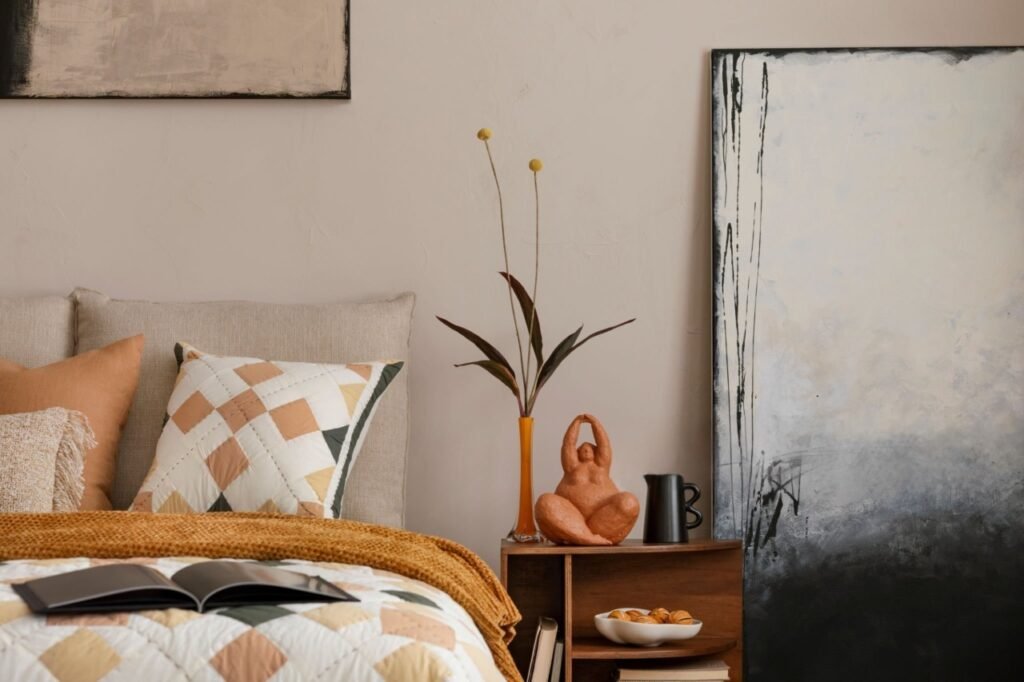
I found a mustard-yellow and off-white checkerboard sheet. The price was Rs. 2,750. It wasn’t just printed; the pattern was woven into the fabric. That means the reverse side has the same pattern, just inverted. No fading, ever.
The fabric is a medium-weight cotton. Not too soft, not too rough. It feels like an old, washed linen shirt.
I put it on my bed, and suddenly my IKEA furniture looked expensive. A photographer friend came over and asked, “Who designed your room?” I pointed at the bedsheet. She took a picture for her Pinterest board.
The only problem? It wrinkles like crazy. If you hate ironing, walk away. But I love the wrinkles. It gives it a relaxed, Rajan Anandan Sunday morning feel.
Why it made the list: Aesthetic value. For people who want their bedroom to look like an architecture digest spread on a budget.
5. The Linen Liar: Ideas by Gul Ahmed – “Linen Touch”
Linen is the dream. Linen is cool, textured, and rustic. Linen also costs Rs. 10,000+ for a double bed. I cannot afford that. I have bills.
But I saw an ad for Gul Ahmed’s “Linen Touch” series. The model looked very happy. I was skeptical. Linen touch? That usually means marketing nonsense.
I went to Ideas in DHA. The sheet was a dusty blue. I touched it. My fingers felt that signature linen slub—those little bumps and uneven threads. I turned the tag. It was 100% cotton, but the weave was engineered to mimic linen.
Cost: Rs. 2,500. Steal.
Here is the truth: It is not real linen. Real linen is stiffer and gets softer. This is soft from day one. But the magic is in the temperature regulation. On a mild winter night, it keeps you warm. On a weird February day when the weather can’t decide, it doesn’t suffocate you.
I spilled chai on it (classic). Usually, tea stains cotton instantly. I dabbed it with a wet cloth, and the stain lifted right out because of the loose, textured weave. It didn’t absorb the liquid like a flat sheet does.
My only complaint? The “Linen Touch” is a bit noisy. It rustles when you move, like a soft whisper of paper. Some people hate that. I found it soothing, like white noise.
Why it made the list: It is the best all-rounder. It looks rich, performs well in both summer and winter, and costs less than a dinner at a nice restaurant.
The Verdict (After 30 Nights of Testing)
Linen is the dream. Linen is cool, textured, and rustic. Linen also costs Rs. 10,000+ for a double bed. I cannot afford that. I have bills.
But I saw an ad for Gul Ahmed’s “Linen Touch” series. The model looked very happy. I was skeptical. Linen touch? That usually means marketing nonsense.
I went to Ideas in DHA. The sheet was a dusty blue. I touched it. My fingers felt that signature linen slub—those little bumps and uneven threads. I turned the tag. It was 100% cotton, but the weave was engineered to mimic linen.
Cost: Rs. 2,500. Steal.
Here is the truth: It is not real linen. Real linen is stiffer and gets softer. This is soft from day one. But the magic is in the temperature regulation. On a mild winter night, it keeps you warm. On a weird February day when the weather can’t decide, it doesn’t suffocate you.
I spilled chai on it (classic). Usually, tea stains cotton instantly. I dabbed it with a wet cloth, and the stain lifted right out because of the loose, textured weave. It didn’t absorb the liquid like a flat sheet does.
My only complaint? The “Linen Touch” is a bit noisy. It rustles when you move, like a soft whisper of paper. Some people hate that. I found it soothing, like white noise.
Why it made the list: It is the best all-rounder. It looks rich, performs well in both summer and winter, and costs less than a dinner at a nice restaurant.
Frequently Asked Questions (Short & Sweet)
1. Can I get a 100% pure cotton bedsheet under Rs. 3,000?
Yes, absolutely. All the sheets mentioned above (Al-Karam, Khaadi, ChenOne, Gul Ahmed, Sapphire) are primarily 100% cotton. Just avoid anything that says “polyester blend” or “microfiber” if you want the breathability of cotton. Stick to trusted local brands like Al-Karam, Gul Ahmed, and ChenOne, and always check the label.
2. Is 500 thread count better than 200 thread count?
Not always, especially under Rs. 3,000. A 200-thread-count long-staple cotton (like the Al-Karam) will feel better and last longer than a 1000-thread-count that is cheaply made. Thread count is a marketing trick. Focus on the weave (percale for cool, sateen for soft) and the brand reputation rather than just a big number on the package.
3. How do I wash these sheets so they last longer?
Never use hot water or bleach. Wash in cold water on a gentle cycle. Do not put them in a high-heat dryer if you have one (air dry in shade is best in Pakistan). Also, do not use fabric softener on the Sapphire Satin Stripe or the ChenOne Cooltech—it coats the fibers and ruins their special properties. A little vinegar in the rinse cycle works wonders for softness.