Let me make this article something we can actually use. You know that feeling, right? It’s nine o’clock on a Friday night. You’ve just wrestled a fitted sheet onto the corner of your mattress for the third time. Your back kind of hurts. And you’re staring at a package that says “1500 Thread Count – Luxury Hotel Quality – 70% Off!”
And you pause.
Because somewhere in the back of your mind, you’ve heard that high thread count is a scam. But then again, your grandmother swore by her 200-count sheets from the department store. And your friend who just got married registered for 800-count Egyptian cotton that felt like sleeping on a cloud made of butter.
So who is right?
I went down this rabbit hole myself last spring. I had just moved into a new apartment, and I decided I was going to be an “adult.” You know the kind. The adult with the matching bedroom set and the crisp, expensive-looking sheets. I bought a set online with a thread count so high it looked like a telephone number. When they arrived, they felt… weird. Stiff. Heavy. They didn’t breathe. I woke up sweaty and confused at 2 AM, feeling like I was sleeping inside a plastic bag.
That’s when I started doing the real research. Not the marketing fluff, but the actual textile science. And today, I want to walk you through what I learned, because I promise you, once you understand how this works, you will never waste money on bad sheets again.
The Myth of the Big Number
Let’s rewind to the beginning. About twenty years ago, sheet companies figured out a little trick. They realized that most shoppers believe bigger number equals better product. So, they started inflating their thread counts like a teenager lying about their height on a dating profile.
Here is the hard truth nobody tells you: A thread count of 1000, 1200, or 1500 is usually a lie.
It’s not just a fib. It’s physics.
Thread count is simply the number of horizontal threads (weft) plus the number of vertical threads (warp) packed into one square inch of fabric. The industry standard for a high-quality sheet usually maxes out around 400 to 500. Why? Because you can only physically cram so many threads into a square inch of cotton before there is no room left for air.
When a manufacturer claims “1200 thread count,” they have to cheat. They do this in two ways. First, they use multi-ply threads. That means instead of one thin strand of cotton, they twist two or three ultra-thin strands together and count each ply as a separate thread. So a “two-ply” thread counts as two threads. Suddenly, a 400-count sheet becomes an 800-count sheet on paper. But in reality? The fabric is just as dense, but the cotton is weaker because those thin strands break easily.
The second trick is adding filler fibers. They weave in cheap polyester or rayon just to bulk up the number.
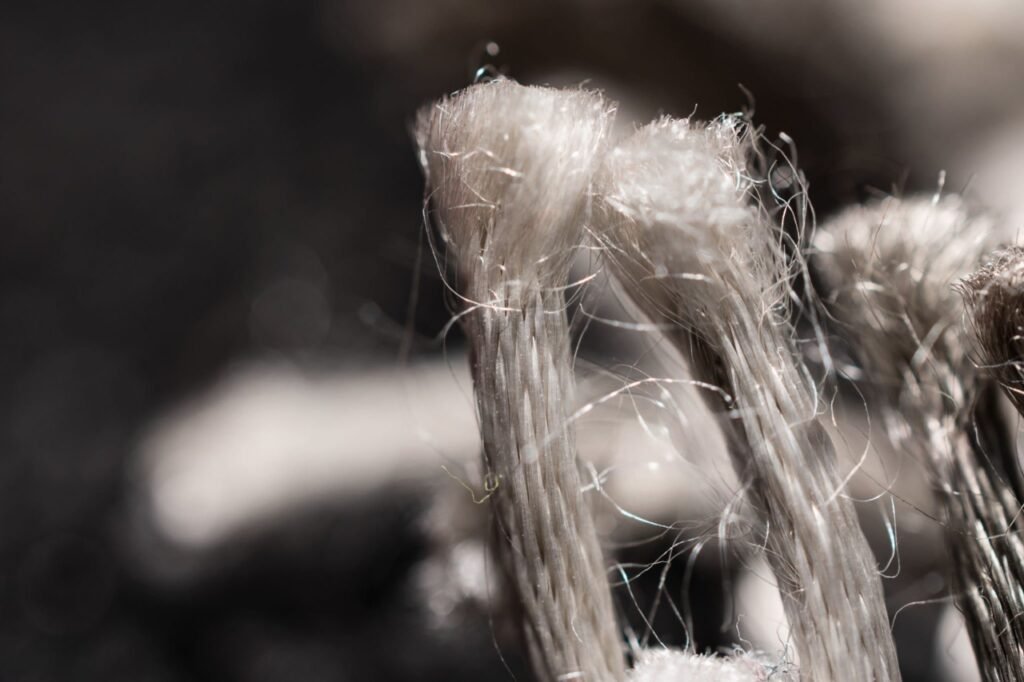
The result is a sheet that feels like cardboard. It doesn’t breathe. It traps heat. And it falls apart after a dozen washes.
I learned this lesson the hard way with those “1500 count” sheets I bought. After one wash, they pilled up like an old sweater. After three washes, there was a tear along the hem. I literally threw them in the trash. I’m not proud of it, but there we are.
The Sweet Spot: Where Magic Happens
So if the giants are lying, where should we actually be shopping?
Let me tell you about the best sheet I have ever owned. I found it at a little linen shop in a town I was passing through on a road trip. It wasn’t a famous brand. There was no shiny packaging. The fabric was folded on a wooden shelf, and the shopkeeper—an older woman named Margaret who had been selling fabric since the 1980s—handed me a swatch.
I rubbed it between my fingers. It felt… alive. It was cool to the touch, but not slippery. It had a weight to it, but it wasn’t heavy. It felt like a crisp autumn morning feels.
I looked at the tag. *100% long-staple cotton. Thread count: 300.*
“Only 300?” I asked, skeptical because I had been brainwashed by advertising.
Margaret laughed. She said something I will never forget: “Honey, you don’t sleep on numbers. You sleep on cotton.”
That was my lightbulb moment.
The real sweet spot for bed sheets is between 200 and 400 thread count. Let me break that down a little further, because context matters here.
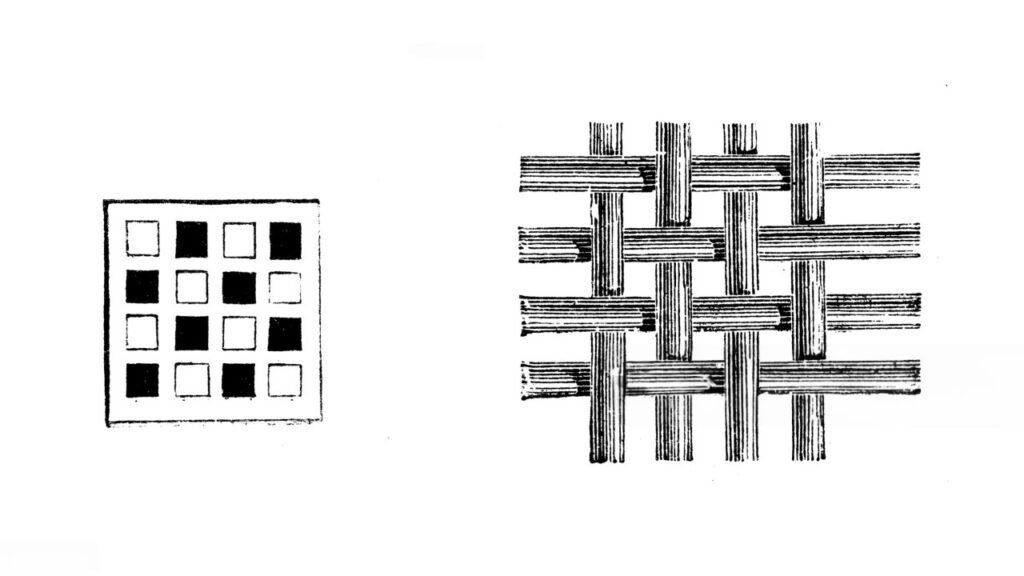
- Percale weaves (crisp, cool, like a hotel) are best around 200 to 300. Percale is a simple, one-over-one-under weave. It’s matte. It’s breathable. It feels like a luxury button-down shirt. Thomas Jefferson wrote the Declaration of Independence on a percale sheet. Okay, probably not, but you get the vibe. My 300-count percale sheets from that shop are still going strong four years later. They get softer every time I wash them.
- Sateen weaves (smooth, silky, with a subtle sheen) are best around 300 to 400. Sateen uses a four-over-one-under weave, which exposes more of the thread’s surface on top. That’s why it feels slicker and drapes beautifully. However, because the threads are more exposed, they can snag easier. A 400-count sateen is luxurious. Anything above 600-count sateen starts to feel clammy and heavy.
The One Exception That Changes Everything
Now, I have to tell you about linen, because linen is the rebel of the bedding world.
Linen is made from flax plants. Flax fibers are naturally thicker and more irregular than cotton fibers. A high-quality linen sheet might only have a thread count of 80 to 150. If you saw that number on a package in a big-box store, you would think it was garbage.
But linen is not garbage. Linen is glorious.
I switched to a 100% European flax linen set last summer, and I will never go back to cotton for hot weather. Linen is naturally moisture-wicking. It pulls sweat away from your body and evaporates it in seconds. It feels textured and rustic, like a well-loved pair of jeans. It gets softer with every wash until it feels like a gentle hug.
Here is the catch with linen: It wrinkles. It wrinkles like a shar-pei puppy. If you are the type of person who needs a military-tight bed with hospital corners, linen will drive you insane. But if you like that rumpled, lived-in, “I just woke up from a great nap” look, linen is your soulmate.
So, when you see a thread count of 120 on a linen sheet, don’t panic. That’s actually perfect.
The Real Secret: The Cotton Itself
Let me pull back the curtain even further. I spent a whole afternoon on the phone with a textile importer for this article (yes, I am that kind of nerd), and he told me something that blew my mind.
He said: “Thread count is the last thing I look at. The first thing is the staple length.”
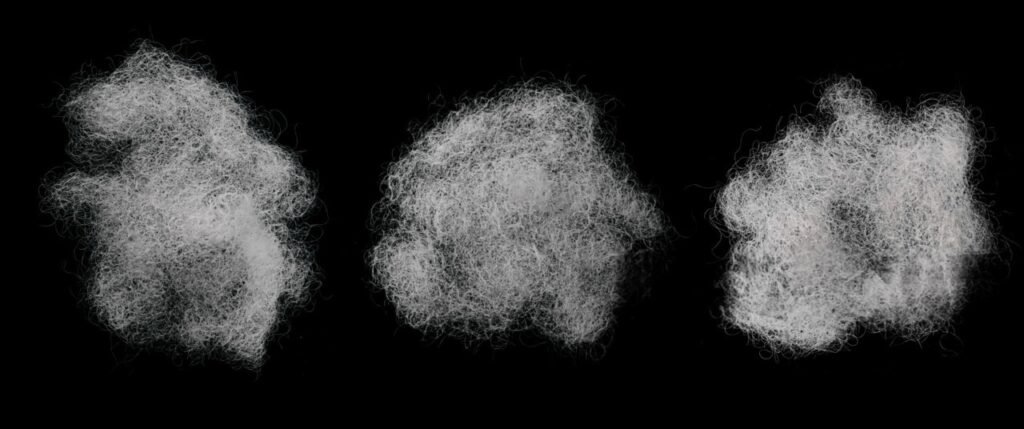
Staple length means the length of the individual cotton fibers. Short-staple cotton (like what you find in cheap sheets from discount stores) has fibers that are less than an inch long. To spin those short fibers into a thread, the machines have to twist them really hard, and there are lots of little fuzzy ends sticking out. That creates a rough, scratchy surface that pills easily.
Long-staple cotton has fibers that are 1.5 to 2 inches long. Extra-long staple (like Egyptian or Pima cotton) has fibers over 2 inches. These long fibers can be spun into a smoother, stronger, finer thread. That means you can achieve a luxurious, soft sheet at a lower thread count.
Think of it like building a wall. You can build a wall with short, broken bricks held together with a ton of mortar (high thread count, cheap cotton). Or you can build a wall with long, solid stones that fit perfectly together (moderate thread count, long-staple cotton). Which wall is stronger? Which one feels better to touch?
Real Egyptian cotton comes from the Nile River Valley. It is famous for its extra-long staple. But here is the warning: 90% of what is labeled “Egyptian cotton” on Amazon or in big-box stores is fake. It is either a blend or a short-staple cotton grown elsewhere and processed in Egypt. To get the real stuff, you need to look for a certification or buy from a brand that is transparent about their supply chain. Expect to pay for it. Real extra-long staple cotton sheets in a 300-thread count percale will cost you $200 to $400 for a queen set. And they are worth every single penny.
How to Shop Without Losing Your Mind
So you are standing in a store, or scrolling on your phone at midnight, and you see a sheet set. What do you do?
I have developed a little mental checklist. I call it the “Three-Finger Test.”
First, ignore the big number on the front of the package. That is marketing. Flip the package over and look for the fine print.
Second, look for the weave and the fiber content. You want 100% cotton. Not a cotton-polyester blend (unless you hate your skin and love static electricity). Not microfiber (which is just plastic). Look for “100% long-staple cotton,” “100% Supima cotton” (Supima is the American version of extra-long staple), or “100% linen.”
Third, look for a thread count between 200 and 400 for cotton. If it says “500” but it’s a sateen weave, that’s okay, but proceed with caution. If it says “800” or higher on a cotton sheet, put it down. Walk away. You are looking at a marketing gimmick.
Fourth, feel the fabric if you can. Close your eyes. Does it feel stiff and papery? That means it’s coated in starches or sizing agents to hide low-quality fibers. Does it feel slick in a fake, plasticky way? That’s probably a chemical finish. Does it feel like a real, breathable, natural fabric? That’s your winner.
What About Bamboo? And Tencel?
I know somebody is going to ask about bamboo, so let me address it quickly. Bamboo sheets are popular because they are cheap, silky, and marketed as eco-friendly. Here is the truth: Most “bamboo” sheets are actually viscose or rayon. To turn that hard bamboo stalk into a soft fabric, manufacturers dissolve it with toxic chemicals like carbon disulfide. The resulting fabric is not naturally antibacterial or magical. It is basically processed plant goo turned into thread.
That said, bamboo viscose sheets are usually very soft. They have a thread count that often claims to be 400 to 600, but because the fibers are extruded (man-made), they are perfectly uniform, so they feel softer than cotton at the same number. The downside? They tend to pill and stretch out over time. They also trap more heat than cotton percale because they are less breathable.
Tencel (Lyocell) is a better version of the same idea. It uses a closed-loop process that recycles the water and chemicals. Tencel sheets in the 300 to 400 range are lovely. They feel cool and smooth. But personally? I stick with natural cotton or linen. I like knowing my sheets came from a plant, not a lab.
My Final Bedroom Setup (And Yours)
Let me tell you what is on my bed right now, as I type this. It is February. It is cold outside. I have a bottom sheet of 300-count long-staple cotton percale. It is crisp. It is cool. It feels like a fresh envelope.
On top of that, I have a duvet cover made of 100% European linen. It is rumpled and cozy. It breathes so well that I stay warm without overheating.
And tucked away in my closet for summer? A backup set of 400-count cotton sateen that I only use when I want to feel fancy, like a character in a movie who drinks espresso and wears silk robes.
You do not need one perfect sheet. You need the right sheet for your season, your sleep temperature, and your sensory preferences.
If you sleep hot: Go for percale cotton (200-300 count) or linen (80-150 count).
If you sleep cold: Go for flannel cotton (which doesn’t really use thread count the same way, but look for heavy weight) or sateen cotton (300-400 count).
If you want the sheet to last a decade: Spend your money on long-staple cotton percale at 250-300 count.
If you want the sheet to feel like a hug: Get a 350-count sateen from a brand that uses Supima cotton.
The Bottom Line (Pun Intended)
Here is what I wish I had known before I threw away money on those terrible 1500-count sheets: Thread count is a measurement, not a quality score.
You can have a 200-count sheet made of incredible, long-staple cotton that feels like a million bucks. And you can have a 1200-count sheet made of garbage, short-fiber cotton that feels like sandpaper wrapped in polyester.
Stop chasing the high score. Start chasing the fabric.
Next time you are sheet shopping, ignore the big bold numbers on the front of the package. Flip it over. Read the ingredients. Look for the words “long-staple.” Feel the fabric with your actual human hands. And remember Margaret, the shopkeeper who set me straight: You don’t sleep on numbers. You sleep on cotton.
Now go forth. Make your bed. Sleep well. You’ve earned it.
FAQs
1. Is a 1000 thread count sheet actually good?
Usually, no. A true 1000 thread count is physically impossible with standard single-ply cotton fibers. Most “1000 thread count” sheets are made using multi-ply threads or blended with synthetic fibers to inflate the number. They tend to be heavy, trap body heat, and wear out faster than a quality 300-400 count sheet.
2. What thread count do hotels actually use?
Most luxury hotels (like the Four Seasons or Westin) use a 250 to 300 thread count percale weave. Why? Because percale is breathable, durable, and withstands daily industrial washing. They prioritize cotton quality (long-staple) over a high thread count. Hotels want sheets that feel crisp and last for years, not ones that feel silky for one night.
3. Does thread count matter for linen sheets?
Not in the same way. Linen fibers are naturally thicker and more irregular than cotton. A high-quality linen sheet will have a thread count between 80 and 150. If you see a linen sheet claiming a thread count of 400 or 500, be suspicious—it likely means the flax fibers have been heavily processed or blended with cotton, which defeats the purpose of linen’s breathability.