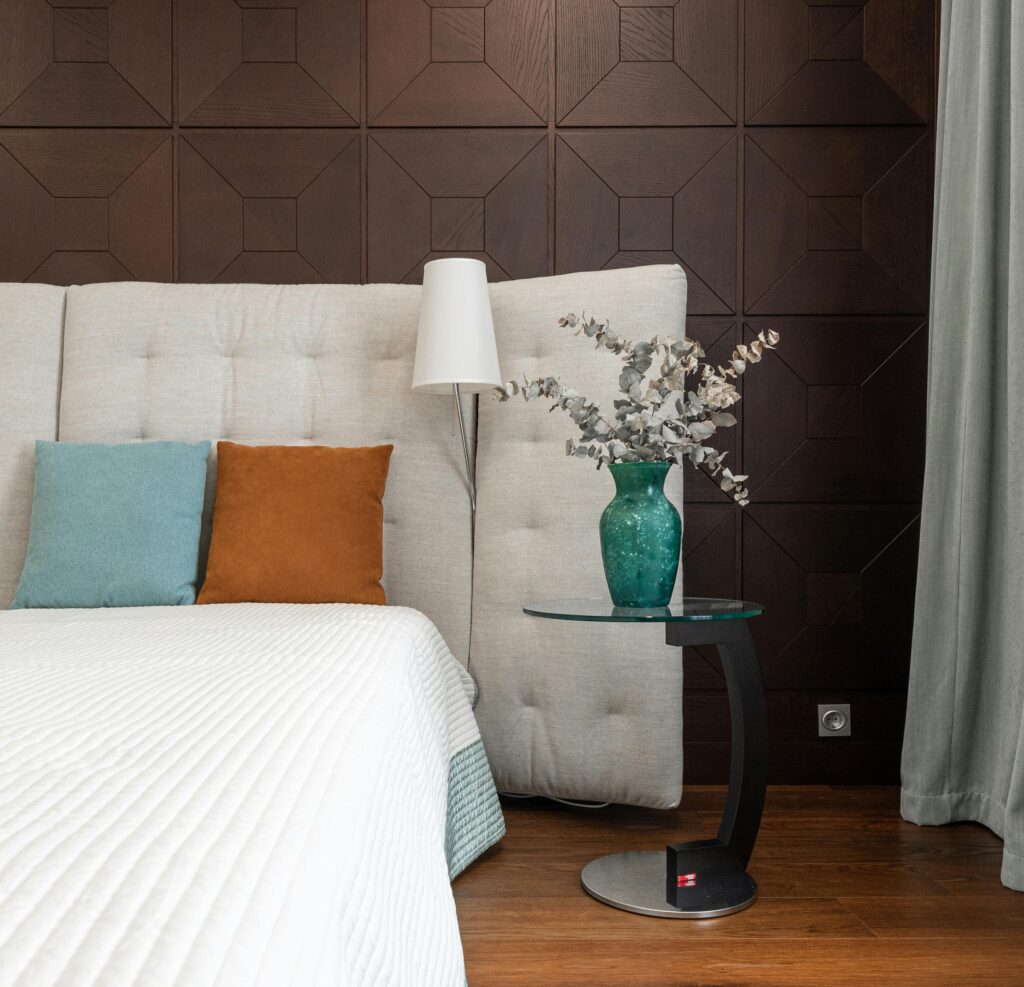
It was 2:47 in the morning, and I was lying on my bed in Lahore, staring at the ceiling fan. The fan was wobbling slightly, making that tak-tak-tak sound that usually drives me crazy. But tonight, I didn’t even notice it. Because something else was wrong.
My skin felt itchy. Not the kind of itchy that comes from a mosquito bite. The slow, annoying, creeping kind. I kept shifting. Left side. Right side. Stomach. Back. Nothing worked. The air conditioner was set to 18 degrees, but I was sweating. Or maybe I was cold. I couldn’t tell anymore.
My wife, Ayesha, was sleeping like a rock next to me. Of course she was. She can sleep on a pile of bricks wrapped in sandpaper. But me? I am what doctors call a “sensitive sleeper.” And right now, my body was sending me a clear message: These bedsheets are trying to ruin your life.
The next morning, I stumbled into the kitchen like a zombie. Ayesha took one look at my face and said, “You look like you fought a war and lost.”
“I did,” I groaned, pouring myself a third cup of tea. “Against these stupid polyester sheets you bought from that online sale.”
And that is how my obsession began. I spent the next two months researching, testing, and interviewing everyone from a textile factory owner in Faisalabad to a darzi (tailor) in Anarkali Bazaar. What I learned changed the way I sleep forever.
Let me tell you the story of fabric, thread, and the surprising science of a good night’s rest.
The Polyester Disaster of 2023
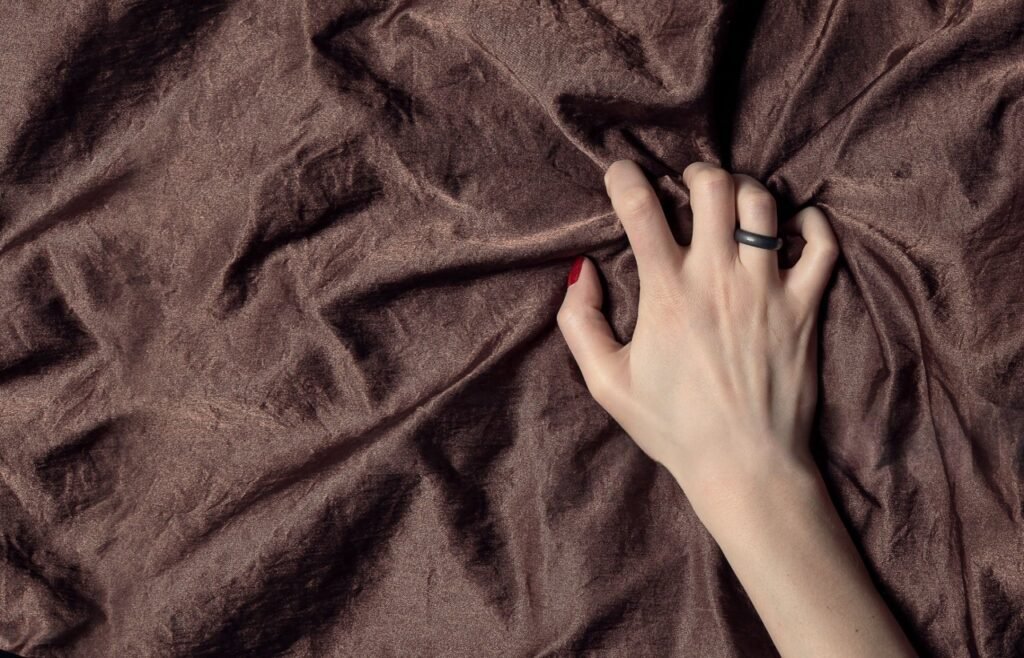
Let me rewind a bit. The cursed bedsheets I was using that terrible night? They were polyester. 100% pure, shiny, synthetic polyester. They were cheap—I think I paid 1,200 rupees for a full set including pillowcases. They looked great on the screen. Bright blue with little white geometric patterns. Very chic. Very modern.
But here is what the online listing did not tell me.
Polyester is basically plastic. Melted, stretched, and woven into threads. When you sleep on plastic, your body heat gets trapped. Your sweat has nowhere to go. It sits there, right against your skin, turning your bed into a tiny greenhouse.
I called my friend Salman, who works as a quality control manager at a textile mill in Faisalabad. “Bhai,” I asked him, “why do we even make polyester bedsheets? They are horrible.”
He laughed. “Because people buy them, yaar. They are cheap. They don’t wrinkle. They don’t fade. But do they sleep well? Never.”
He explained the science simply. Human bodies release about one liter of sweat every night. Literally. A liter. In a cotton sheet, that moisture gets absorbed and evaporates. In a polyester sheet, it sits there. And what loves moisture? Bacteria. And what do bacteria produce? Odor. And itchiness. And that general feeling of eeeh that makes you toss and turn.
That night, I went home and threw away every polyester sheet in my cupboard. Yes, even the expensive-looking ones. My skin thanked me.
The Cotton Epiphany at Liberty Market
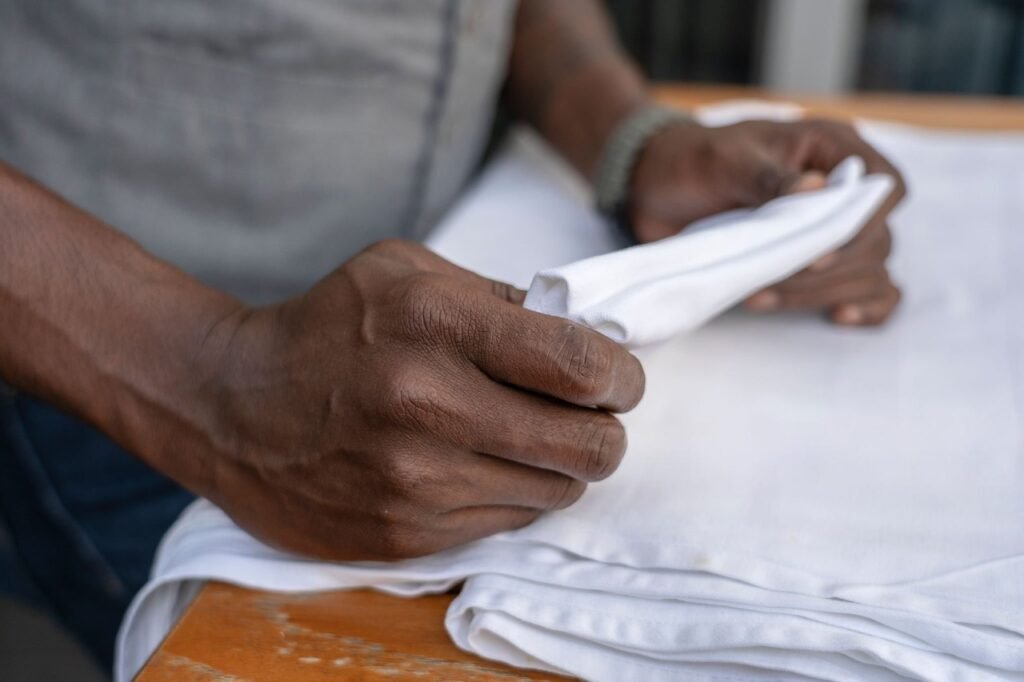
After the polyester purge, I decided to do things properly. I went to Liberty Market in Lahore, to a small shop tucked behind the main square. It is run by an old man named Muhammad Saeed, who has been selling bedsheets for forty-two years. His hands are stained with dye, and he can tell the thread count of a fabric just by rubbing it between his fingers.
“Sir,” I said, “I need bedsheets that will make me sleep like a baby.”
He looked at me over his glasses. “Babies sleep because they have no bills to pay. But fine. Let me show you something.”
He pulled out a stack of plain, unassuming white sheets. No patterns. No bright colors. Just simple, creamy white cotton. I touched it, and my fingers sighed. It was soft but not slippery. Cool but not cold.
“This is 100% combed cotton,” he said. “Combed means they took out all the short, scratchy fibers. Only the long, smooth ones remain. This is what you need.”
I bought three sets. One white, one light grey, one soft beige. That night, I put the white ones on the bed. And I swear to you, it felt like a different bed. The sheets were cool against my skin. When I moved, they didn’t make that crinkly plastic sound. They breathed.
I slept seven hours straight. No waking up. No itching. No sweating. When I opened my eyes in the morning, the sun was up. I couldn’t remember the last time that had happened.
The Mystery of Thread Count (And Why 1000 is a Lie)
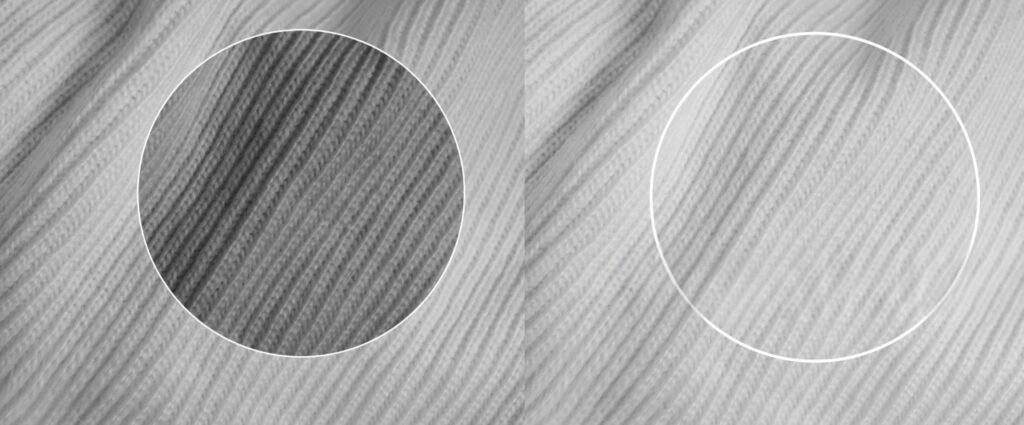
Let me explain. Thread count means the number of threads woven into one square inch of fabric. Higher number usually means finer, softer fabric. Usually. But here is the catch. After about 400 to 500 thread count, the returns start diminishing. And after 800? It is almost always a lie.
How do they lie? Simple. They take multiple thin threads and twist them together, then count each thin thread separately. So a “1200 thread count” sheet might actually be 400 twisted threads counted as three each. The result? The fabric is heavy, dense, and traps heat. It feels thick, not soft. In Pakistan’s climate? It is a nightmare. You will sweat like a construction worker in July.
The sweet spot for Pakistani weather is 300 to 500 thread count. That is the magic range. Breathable enough for Lahore’s humidity, soft enough for sensitive skin, durable enough for our weekly dhobis (laundry) who beat the clothes like they owe them money.
I called my cousin the next day and told her this. She didn’t believe me at first. Then she bought a 400 thread count cotton set from a reputable shop. The next week, she sent me a voice note: “Yaar, you were right. I slept like a log. And I didn’t wake up once.”
I did not say “I told you so.” But I thought it very loudly.
The Khadi Summer Miracle

Now let me take you to a different season. Summer. Real Pakistani summer. The kind where the temperature hits 48 degrees and the humidity makes you feel like you are breathing through a wet towel.
Last June, I visited my friend Bilal in Multan. Multan is not hot. Multan is on fire. We call it “Multan the Hot.” Bilal lives in a simple house with an old air cooler that sounds like a tractor. I was dreading the night.
But when I lay down on his bed, something strange happened. I felt… cool. Not air-conditioner cool, but a gentle, natural cool. His bedsheet was rough. Not soft at all. It felt like a sturdy kurta fabric. It was beige, almost the color of roti.
“What is this magic fabric?” I asked him.
He grinned. “Khadi,” he said. “Hand-spun, hand-woven cotton. Made in a village near Rahim Yar Khan.”
Khadi is rough. Let me be honest. If you are used to silky, slippery polyester, khadi will feel weird at first. It is not buttery. It is not smooth. But here is what it is: the most breathable fabric on the planet.
Because khadi is hand-spun, the threads are slightly uneven. That unevenness creates tiny air pockets. Those air pockets let your body heat escape. And the rough texture? It does not stick to your skin. You know that horrible feeling when you are sweaty and your polyester sheet clings to your back like a wet plastic bag? Khadi does the opposite. It stays away from your skin. It lets air flow.
I slept like a dead man in Bilal’s house that night. And I woke up without a single patch of sweat. Not one.
When I came back to Lahore, I bought three khadi bedsheets from a government Khadi Gram Udyog shop. They cost me 1,800 rupees each. Not cheap, but not expensive. They are now my official “peak summer” sheets. Rough? Yes. But cool? Absolutely.
The Bamboo Mystery (Is It Worth It?)
You might have seen advertisements for bamboo bedsheets on Instagram. All those Pakistani home pages with filtered photos and quotes about “eco-friendly luxury.” I was curious too. So I ordered one. A king-size set in a beautiful olive green. It cost me 7,500 rupees. Expensive, but I wanted to know the truth.
When it arrived, I was excited. The packaging was beautiful. The fabric was incredibly soft. Softer than cotton. Almost slippery, like silk but not shiny.
I put it on the bed. For the first hour, it was heaven. So smooth. So cool.
But then, at around 3 AM, I woke up. My back was damp. Not soaking, but damp. I turned the pillow over—the cool side was already warm. By morning, I felt clammy. Like I had been sleeping inside a gym bag.
I called the company’s customer service. The very nice girl on the phone explained it to me: “Bamboo fabric is actually semi-synthetic, sir. They take the bamboo plant, break it down with chemicals, and turn it into a fiber. It is soft, yes. But breathability? Cotton is better. Always.”
So here is my honest verdict on bamboo. It is not bad. It is softer than almost anything. And if you sleep in an air-conditioned room set to 18 degrees like a freezer, bamboo is lovely. But if you rely on a cooler, a fan, or just open windows? Stick to cotton. Or khadi. Your body will thank you.
The Bamboo Mystery (Is It Worth It?)
Now let me take you to a different season. Summer. Real Pakistani summer. The kind where the temperature hits 48 degrees and the humidity makes you feel like you are breathing through a wet towel.
Last June, I visited my friend Bilal in Multan. Multan is not hot. Multan is on fire. We call it “Multan the Hot.” Bilal lives in a simple house with an old air cooler that sounds like a tractor. I was dreading the night.
But when I lay down on his bed, something strange happened. I felt… cool. Not air-conditioner cool, but a gentle, natural cool. His bedsheet was rough. Not soft at all. It felt like a sturdy kurta fabric. It was beige, almost the color of roti.
“What is this magic fabric?” I asked him.
He grinned. “Khadi,” he said. “Hand-spun, hand-woven cotton. Made in a village near Rahim Yar Khan.”
Khadi is rough. Let me be honest. If you are used to silky, slippery polyester, khadi will feel weird at first. It is not buttery. It is not smooth. But here is what it is: the most breathable fabric on the planet.
Because khadi is hand-spun, the threads are slightly uneven. That unevenness creates tiny air pockets. Those air pockets let your body heat escape. And the rough texture? It does not stick to your skin. You know that horrible feeling when you are sweaty and your polyester sheet clings to your back like a wet plastic bag? Khadi does the opposite. It stays away from your skin. It lets air flow.
I slept like a dead man in Bilal’s house that night. And I woke up without a single patch of sweat. Not one.
When I came back to Lahore, I bought three khadi bedsheets from a government Khadi Gram Udyog shop. They cost me 1,800 rupees each. Not cheap, but not expensive. They are now my official “peak summer” sheets. Rough? Yes. But cool? Absolutely.
The Color Psychology of Bedsheets
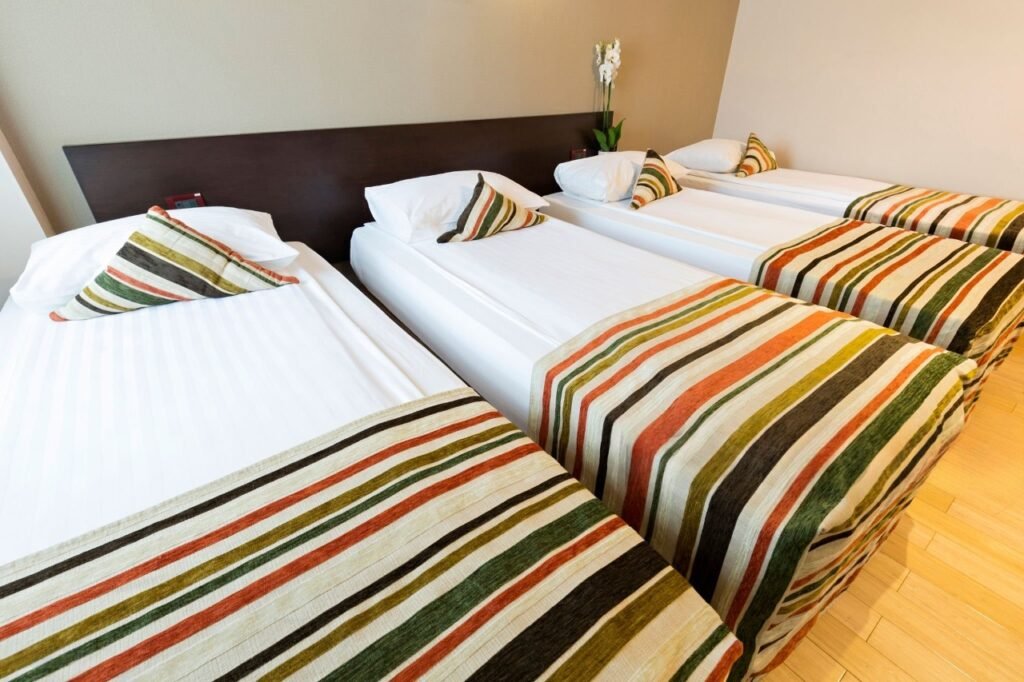
One final thing, and this one surprised me. The color of your bedsheet actually affects your sleep. I am not talking about aesthetics. I am talking about brain chemistry.
I tested this myself. For one month, I used bright red bedsheets. The result? I felt slightly more alert, more agitated. I took longer to fall asleep. Bright red is stimulating. It raises your heart rate. It is the color of danger and excitement. Not great for bedtime.
Then I switched to deep blue. Dark, midnight blue. I slept faster. I felt calmer. Science says blue lowers your blood pressure and slows your heart rate. It mimics the night sky.
Then I tried soft green. Sage green, like the color of mint leaves. Even better. Green is the color of balance. It is easy on the eyes. It reminds your brain of nature, of safety, of rest.
My recommendation for Pakistan? Soft blues, sage greens, warm beiges, off-whites, and pale lavenders. Avoid bright reds, oranges, neons, and harsh blacks. They might look cool on Instagram, but they do not help you sleep.
Ayesha laughed when I told her this. “You have turned into such a bedsheet nerd,” she said.
“Maybe,” I replied. “But I am a well-rested bedsheet nerd.”
Three Short FAQs
1. How often should I change my bedsheets in Pakistan's climate?
In summer? Every four to five days. In Lahore and Karachi, with the heat and dust, sheets get dirty fast. In winter? Once a week is fine. But here is a pro tip: keep two sets and rotate them. When you take one off for washing, put the second one on immediately. That way, you never have a “naked bed” night. I learned this the hard way after a late laundry day left me sleeping on a bare mattress. Never again.
2. What is the best bedsheet material for people with skin allergies or asthma?
Without any question: 100% organic cotton or khadi. Do not use polyester, bamboo, or any synthetic blend. Synthetic fabrics trap dust mites, which trigger allergies and asthma. Cotton breathes and is easy to wash in hot water. Wash your sheets at 60 degrees once every two weeks to kill dust mites. Also, avoid heavy fabric softeners—they leave a chemical residue that can irritate sensitive skin. Use white vinegar in the rinse cycle instead. Your grandmother probably did this. Grandmothers are always right.
3. Can I use silk bedsheets? I saw them in a hotel once.
Hotel silk sheets are usually not real silk. Real silk is expensive—we are talking 30,000 to 50,000 rupees for a set. And here is the honest truth: silk is bad for hot sleepers. It traps heat. It is slippery, so your pillow slides away. And real silk is delicate—our local laundries will destroy it in one wash. Save your money. Buy high-quality cotton. It lasts longer, sleeps cooler, and you can wash it without having a panic attack.
It has been six months since my terrible polyester night. My cupboard now has a system. Khadi sheets for the brutal summer months (May to August). Cotton percale (crisp and cool) for the spring and early autumn (March, April, September, October). And slightly heavier cotton sateen (a tiny bit softer and warmer) for the short Lahore winter (December, January, February).
Last night, I lay down on my sage green cotton sheets. The fan was on medium. The window was open. And I fell asleep in eleven minutes. I know because I checked my phone before putting it down.
I woke up this morning feeling like a human being. Not a zombie. Not a sweaty mess. Just… rested.
Ayesha rolled over and mumbled, “You didn’t snore last night.”
“I didn’t?”
“No. It was weird. I almost missed it.”
I laughed. Then I got up, made myself a cup of tea, and sat by the window. Outside, Lahore was already noisy. The crows were screaming, a neighbor was honking, and someone was shouting about gas cylinders.
But inside my bedroom? There was only peace.
All because of a piece of fabric.
Never underestimate your bedsheet, friends. It works harder than your manager, listens better than your friends, and asks for nothing except a weekly wash. Take care of it. And it will take care of your sleep.
Now go change your sheets. You know they need it.