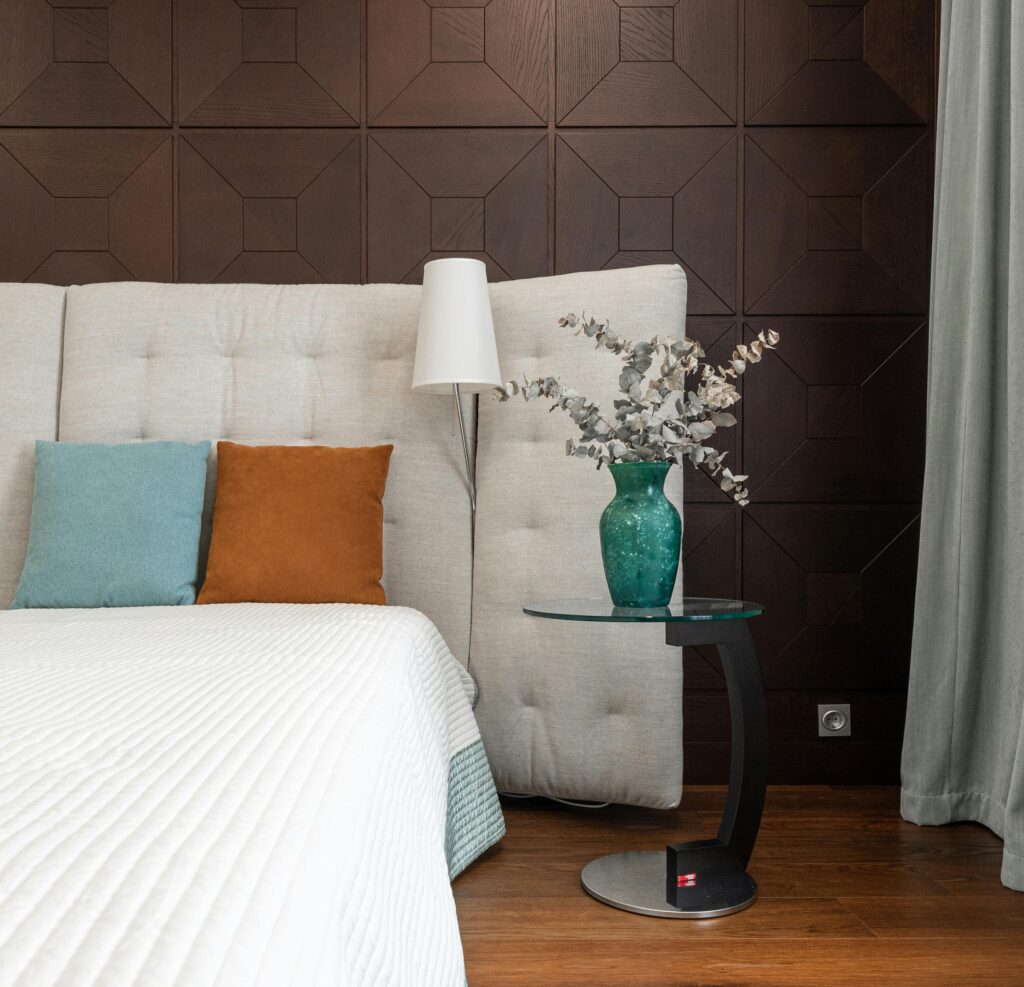
There I was, standing in the bedding aisle of a big-box store, staring at a wall of sheet sets. The price tags on the microfiber packages were practically winking at me. Twenty-five dollars for a complete set? The cotton ones next to them were three times as much. My wallet was practically begging me to grab the microfiber and head to checkout.
I should have known better. I really should have.
You see, I live in Singapore. For those who haven’t experienced it, Singapore doesn’t just have humidity—it is humidity. The air here is so thick with moisture that you can practically drink it. Even at midnight, when the sun has long since set, the air still clings to your skin like a damp blanket. The kind of weather where you step out of a perfectly air-conditioned building and your glasses instantly fog up. The kind where taking a shower feels pointless because you’ll be sweating again before you’ve finished drying off.
But that microfiber set was so soft. I ran my hand over the display model, and it felt like butter. Like sleeping on a cloud. Surely, I thought, this would be fine.
I was wrong. Spectacularly, miserably wrong.
The First Night: A Cautionary Tale
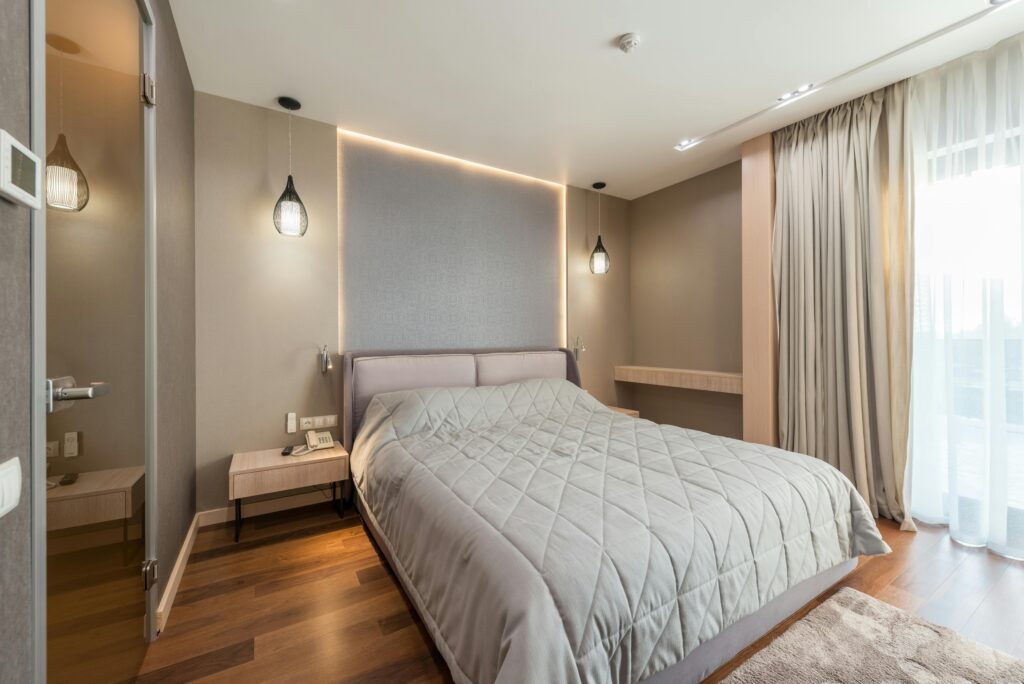
That first night, I made my bed with my new bargain sheets, feeling rather pleased with myself. The sheets were smooth, the color was perfect, and I had saved a small fortune. I climbed in around 10 PM, the air conditioner humming quietly in the background, feeling like I had hacked the system.
By 10:30, I was starting to notice something wasn’t quite right.
By 11, I was beginning to sweat.
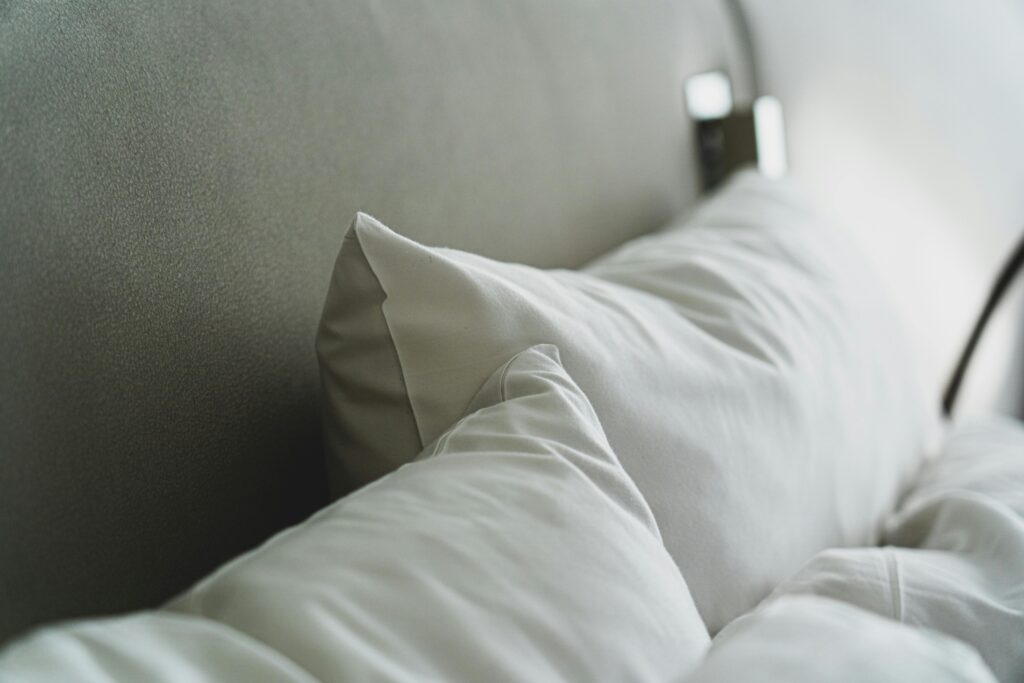
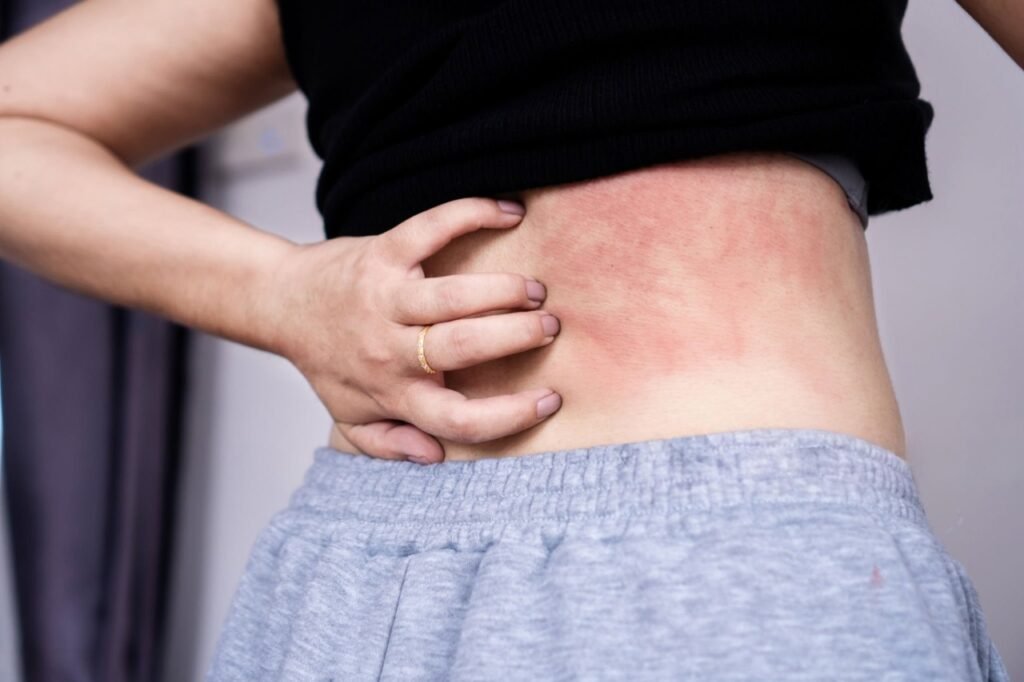
By midnight, I was lying there, frozen in that peculiar state of paralysis where you’re too hot to sleep but too exhausted to get up and do something about it. My legs were sticking to the sheets in that horrible way that makes you feel like you’re being slowly absorbed by the mattress. The pillowcase had somehow become damp and clammy against my cheek. The gentle hum of the air conditioner felt like a cruel joke—I could hear it working, I could feel the cool air circulating somewhere above me, but down here, where my skin met those deceptively soft sheets, it was like lying in a sauna.
I peeled myself off the bed at 2 AM and spent the rest of the night on the sofa, where the fabric was at least breathable. The microfiber sheets got shoved into the back of the closet the next morning, where they remain to this day, a monument to my poor decision-making.
What Even Is Microfiber, Anyway?
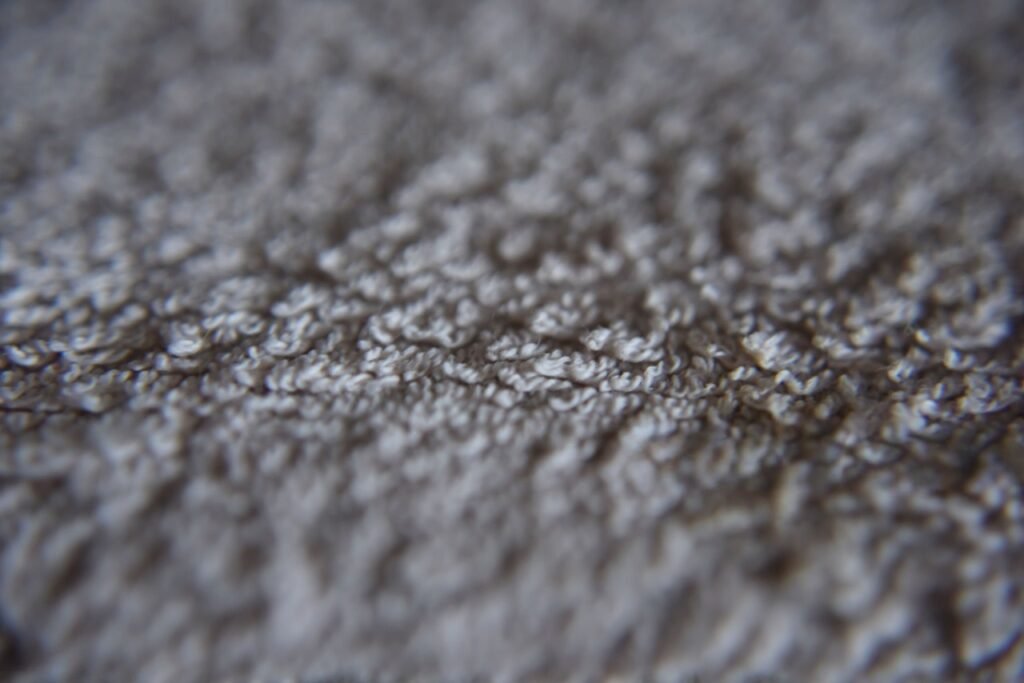
Here’s the thing about microfiber that the marketing materials conveniently gloss over: it’s plastic. Plain and simple. Microfiber is made from ultra-fine polyester fibers—sometimes mixed with nylon—that are thinner than a human hair . These fibers are woven together into a dense, tight fabric that feels incredibly soft to the touch .
The manufacturing process is cheap, which is why you can pick up a queen-sized microfiber sheet set for under fifty dollars . They’re also wrinkle-resistant, which is appealing if you hate ironing . And when you first take them out of the package, they feel luxurious—smooth and silky, like they’re going to provide the most comfortable sleep of your life .
But here’s the problem: those fine synthetic fibers are woven so tightly together that they trap heat . Air can’t circulate through them . And because polyester is essentially plastic, it doesn’t absorb moisture—it repels it . So when you sweat, instead of the fabric wicking the moisture away and allowing it to evaporate, the sweat just sits there. On top of the sheets. With you lying on top of it.
If that sounds unpleasant, that’s because it absolutely is.
The Science of Sweat and Suffering
Let me get a little technical for a moment, because understanding why microfiber fails so spectacularly in humid weather requires a basic grasp of how fabrics handle moisture .
In an ideal world, your sheets should do two things. First, they should allow air to flow through them so heat can escape—this is breathability. Second, they should pull moisture away from your skin and allow it to evaporate—this is moisture-wicking .
Natural fibers like cotton, linen, and bamboo excel at both of these things. They’re porous, which means air can pass through. And they’re hydrophilic, which is a fancy way of saying they attract water molecules and pull them away from your body .
Microfiber, on the other hand, is hydrophobic—it repels water . Instead of pulling sweat away from your skin, it encourages it to pool on top of the fabric, creating that horrible damp, sticky sensation . The tight weave prevents air from circulating, trapping heat against your body . It’s a double whammy of discomfort.
In dry climates, this might not be such a big deal. If you’re sleeping in a place where the air is arid and the moisture can evaporate quickly, you might get away with microfiber sheets . Some people who sleep cold actually prefer them because they’re so effective at trapping heat .
But in a tropical or humid environment? Where the air is already saturated with moisture? The sweat has nowhere to go. Your body keeps pumping out heat, the sheets trap it, and you end up lying in a puddle of your own making, miserably overheating .

The Dohar Awakening
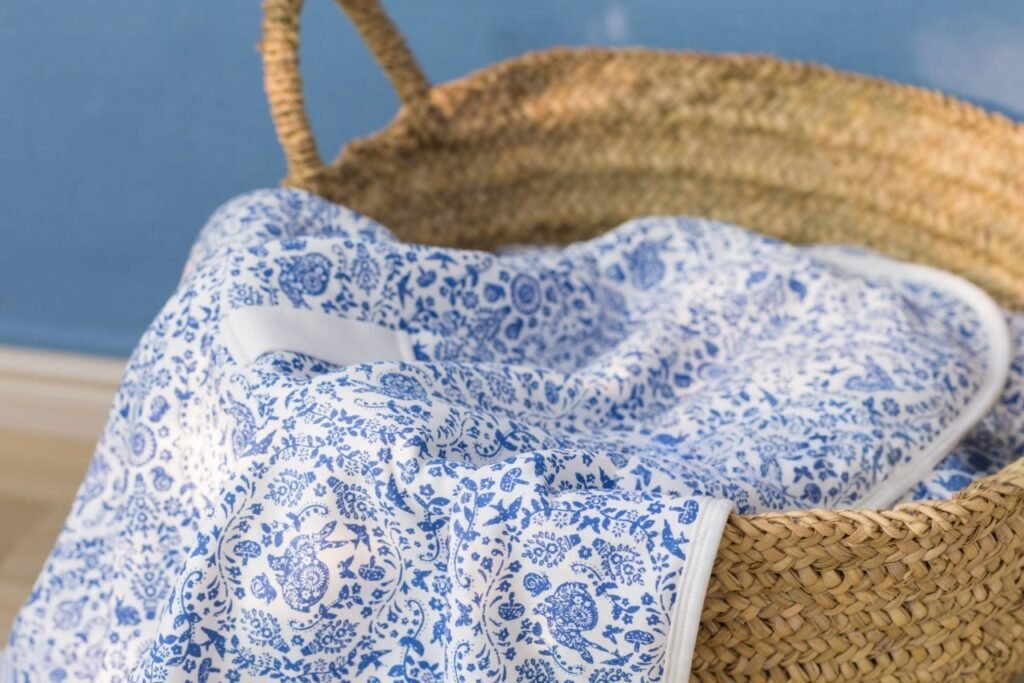
After my disastrous experience with microfiber, I started researching traditional bedding solutions used in hot climates. That’s when I discovered the Dohar—a lightweight, triple-layered cotton blanket that Indian royalty have been using for centuries to survive the monsoon season .
The Dohar is everything microfiber is not. It’s made from mulmul cotton, which is incredibly fine and breathable, almost like a very high-quality muslin . The triple-layer construction creates air pockets that regulate temperature, keeping you cool when it’s hot and warm when it’s cool . The open weave allows air to circulate freely, and the cotton wicks moisture away from your skin .
In fact, the Dohar is such an effective solution for hot, humid nights that even in the days before air conditioning, the Maharajas slept comfortably through the brutal Indian monsoon season . The fabric is so airy and light that it’s sometimes called “woven wind” in its country of origin .
I ordered one from Shades of Cool London, the only UK stockist I could find at the time, and it changed my life . Suddenly, I could sleep through the night without waking up in a puddle of sweat. The Dohar was light enough that I didn’t feel suffocated, but substantial enough that I didn’t feel exposed. The airflow was incredible. For the first time in months, I actually looked forward to going to bed.
Why Natural Fibers Win Every Time
My experience with the Dohar got me thinking about why natural fibers are so much better for hot, humid weather. And the more I researched, the more I realized that the case against microfiber is overwhelming.
The Cotton Case
Cotton is the classic choice for sheets, and for good reason. It’s naturally breathable, affordable, and easy to care for . But not all cotton is created equal. For tropical climates, you want percale cotton, which has a “one-over, one-under” weave that creates a crisp, airy fabric . Percale doesn’t trap heat the way microfiber does, and it allows air to circulate freely, keeping you cool throughout the night .
Egyptian cotton and Supima cotton—made from long-staple fibers—are even better. The longer fibers create a stronger, more durable fabric that resists pilling and lasts for years .
The Linen Luxury
If you really want to stay cool, linen is the gold standard. Made from the flax plant, linen has thick fibers that are naturally hollow, creating air pockets that allow heat to escape . Linen is also incredibly durable—a good set can last 15 to 20 years, getting softer with every wash . It absorbs up to 20% of its weight in moisture before feeling damp, making it the best natural fiber for temperature regulation .
The downside? Linen is expensive and it wrinkles easily . But for many people, the comfort is worth the price and the extra ironing.
The Bamboo Alternative
Bamboo sheets have become increasingly popular in recent years, and for good reason. Bamboo fibers are naturally breathable and excellent at wicking moisture away from the body . They feel soft and silky, similar to microfiber, but without the heat-trapping properties . Bamboo sheets are also more sustainable than traditional cotton, requiring less water and fewer pesticides .
The Tencel Solution
Tencel, also known as lyocell, is made from wood pulp and has become a favorite for hot sleepers. It’s engineered to absorb moisture efficiently and release it quickly, making it one of the best fabrics for humid climates . Tencel sheets feel silky smooth, similar to microfiber, but they breathe much better . They also dry faster than cotton, which is a huge advantage when you’re dealing with night sweats .
The 12-Month Microfiber Meltdown
Even if you live in a cooler climate and think you can get away with microfiber, there’s another issue you need to consider: durability.
Microfiber sheets might feel soft when you first buy them, but that softness doesn’t last. Unlike cotton, which gets softer and more comfortable with every wash, microfiber degrades . The fibers start to pill—developing those annoying little balls of tangled fiber on the surface—after just a few washes . After 12 to 18 months of regular use, most microfiber sheets look and feel terrible .
Cotton and linen, on the other hand, improve with age. A good set of cotton sheets can last 3 to 5 years, and a quality linen set can last 15 to 20 years or more . Yes, you pay more upfront, but you’re buying sheets that will last a decade or more, rather than replacing cheap microfiber sets every year.
The Environmental Nightmare
And then there’s the environmental issue. Microfiber sheets are made of plastic—specifically, polyester . Every time you wash them, they shed tiny synthetic fibers—microplastics—into the water supply . These microplastics are so small that they bypass water treatment plants and end up in our rivers, lakes, and oceans, where they’re ingested by fish and other marine life .
By choosing microfiber, you’re not just making yourself miserable on hot, humid nights—you’re also contributing to a massive environmental problem that scientists are only beginning to fully understand.
A Better Way Forward
If there’s one thing I want you to take away from this article, it’s this: don’t be seduced by the low price tag of microfiber sheets. They are a classic case of “buy cheap, buy twice.” You’ll spend more money in the long run replacing them, you’ll spend countless nights sweating through them, and you’ll be contributing to environmental pollution along the way.
Instead, invest in high-quality natural fibers. Cotton percale, linen, bamboo, or Tencel might cost more upfront, but they’ll pay for themselves in comfort, durability, and peace of mind.
And if you’re really serious about sleeping well in hot, humid weather, consider following the example of the Maharajas. The Dohar is more than just a blanket—it’s a testament to centuries of wisdom about how to stay comfortable in the world’s most challenging climates. At last count, my Dohar has lasted three years, and it shows no sign of wearing out. My microfiber sheets lasted one night.
The choice, I think, is pretty obvious.
Frequently Asked Questions
Q1: Can I use microfiber sheets in a humid climate if I use air conditioning?
Even with air conditioning, microfiber sheets aren’t ideal for humid climates. AC removes some moisture from the air, but microfiber still traps heat against your skin and repels sweat instead of absorbing it. In tropical weather, the combination of humidity and trapped body heat will make microfiber sheets uncomfortable regardless of your AC settings.
Q2: What's the best budget-friendly alternative to microfiber for hot weather?
Cotton percale sheets offer the best balance of affordability and breathability. They’re more expensive than microfiber, but significantly more comfortable in warm weather. Look for percale sheets with a thread count between 200 and 400—higher thread counts can actually trap heat and reduce breathability.
Q3: Do bamboo sheets perform better than cotton in humid weather?
Bamboo and cotton both outperform microfiber, but bamboo has a slight edge in very humid conditions. Bamboo fibers are more effective at wicking moisture away from the body and tend to dry faster than cotton . However, cotton percale is still a solid choice, especially if you prefer a crisper, more traditional feel.